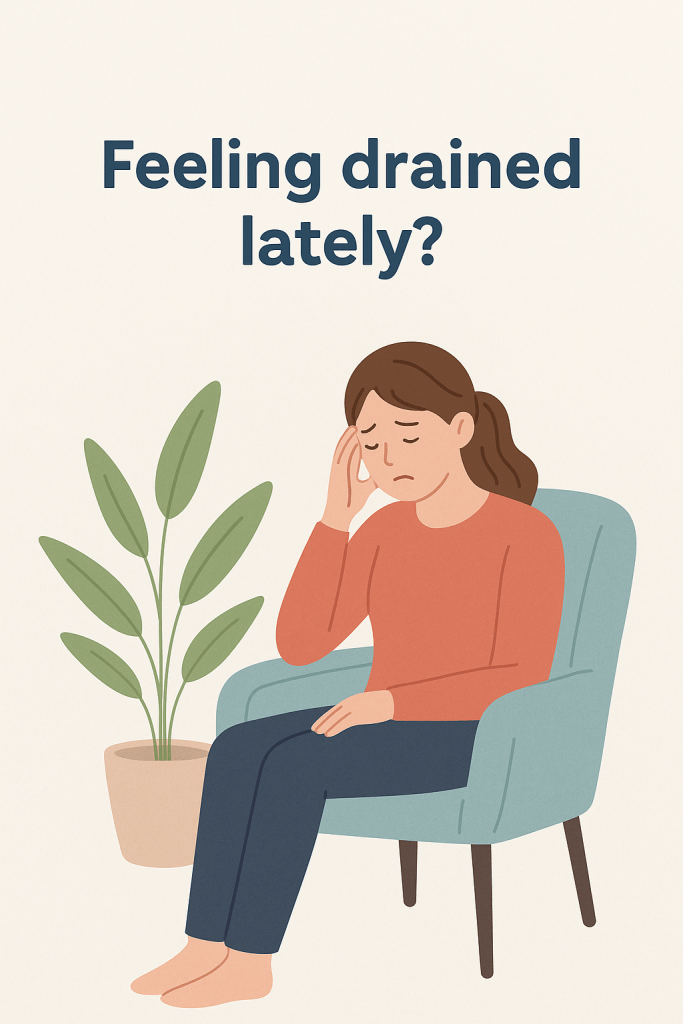
When Motivation Feels Miles Away
We all go through times when our energy dips. Maybe work’s been hectic, sleep has been patchy, or your head’s just been full of too much noise. You might know that moving your body would make you feel better — but when you’re tired, stiff, or just plain burnt out, even the thought of exercise can feel like a mountain to climb.
I get it. I’ve just come off a week away from social media myself because I was feeling jaded by it all. That little break gave me the headspace to get back to the gym and sort out my recent “seafood and eat it” diet (yes, I see food and eat it!). Sometimes we need to pause before we can move forward again.
If that sounds familiar, this post is for you. At Thrive Body Clinic in Worthing, I see so many mid-life adults who are trying to balance work, family, and everything else life throws at them — and the result is often exhaustion and frustration. But you can stay active, even when you’re running low on fuel. It’s not about pushing harder; it’s about moving smarter.
Here are 3 practical, sustainable tips to help you keep your body moving — without burning out in the process.
1. Listen to Your Energy, Not Your Excuses
When you’re tired, it’s easy to fall into the trap of “I’ll start again next week.” But there’s a difference between genuine fatigue and a mindset of all-or-nothing.
If your body’s crying out for rest, respect that. But rest doesn’t always mean doing nothing. Sometimes it means slowing down, moving differently, or just taking five minutes to stretch, breathe, and reconnect.
Try this mindset shift:
👉 Instead of thinking, “I don’t have the energy to work out,” say, “What kind of movement would feel good today?”
That might be a 10-minute walk, some gentle chair stretches, or even a few deep breaths standing by the kettle. When you meet your body where it’s at, rather than forcing it to do what you think it should, you build consistency — and consistency beats intensity every time.
💡 Pull-out tip: “Movement doesn’t have to be perfect — it just has to happen.”
2. Move Gently, but Move Often
When energy is low, gentle movement can actually help recharge your batteries rather than drain them. It stimulates circulation, eases stiffness, and boosts your mood — all without depleting your reserves.
Here are a few ways to move gently but effectively:
- Stretch while you wait. Waiting for the kettle? Roll your shoulders, gently twist your spine, or do some calf raises.
- Walk with purpose. A short stroll at lunchtime or after dinner helps loosen your joints, reset your posture, and clear your mind.
- Try mindful mobility. Simple chair-based movements or light yoga can help your muscles relax and your nervous system calm down.
As a local osteopath in Worthing, I often tell patients that gentle, frequent movement is one of the best ways to manage both pain and fatigue. It keeps the body’s mechanics working smoothly and helps you reconnect with your sense of control.
💡 Pull-out tip: “Low energy days aren’t lazy days — they’re a chance to move kindly, not forcefully.”
3. Feed Your Energy, Don’t Drain It
Sometimes, what feels like lack of motivation is actually lack of recovery. Poor sleep, stress, and inconsistent eating habits all take a toll on your energy levels. When your body doesn’t get what it needs, it’s harder to feel like moving — and the cycle continues.
A few practical things to focus on:
- Hydration: Even mild dehydration can cause fatigue and achiness. Keep a water bottle nearby throughout the day.
- Balanced meals: Include some protein and slow-releasing carbs (think oats, eggs, beans, or chicken) to keep your energy stable.
- Boundaries: Notice what drains your mental energy. Maybe that’s social media, long commutes, or late nights on screens. You can’t pour from an empty cup — so protect your downtime.
Taking a week off from social media reminded me how much noise we’re surrounded by daily. When you quiet that noise, you often find more energy to focus on what really matters — your health and well-being.
💡 Pull-out tip: “Sometimes the best recovery isn’t sleep — it’s switching off from what drains you.”
4. Reconnect with Why You Move
When energy is low, it helps to remember why you want to stay active in the first place. Is it to keep up with your kids? To feel comfortable walking without pain? To move with more confidence as you age?
Reconnect with that “why.” It turns movement from a chore into self-care.
At Thrive Body Clinic, I often help patients reframe their goals. It’s not about being the fittest person in the room — it’s about building a body that supports the life you want to live. Every stretch, every short walk, every mindful breath adds up.
Start small, stay consistent, and celebrate every step forward — even if it’s just showing up for yourself today.
Rest Isn’t the Enemy of Progress
Staying active when you’re low on energy isn’t about pushing through exhaustion — it’s about working with your body, not against it. Rest, recovery, and gentle movement can all sit side by side.
If you’ve been feeling tired, stiff, or out of balance lately, it might be time for a reset — not a punishment. At Thrive Body Clinic in Worthing, we help people restore movement, reduce pain, and rebuild confidence in their bodies through gentle, hands-on osteopathic care and practical advice that fits real life.
👉 Ready to start feeling more like yourself again?
Book an appointment today and let’s help you move better, feel stronger, and rediscover your energy.
📍 Thrive Body Clinic – Your local Worthing osteopath, here to help you move past pain and back into life.
 Thrive Body Clinic Osteopathy & Sports Massage
Leave a comment