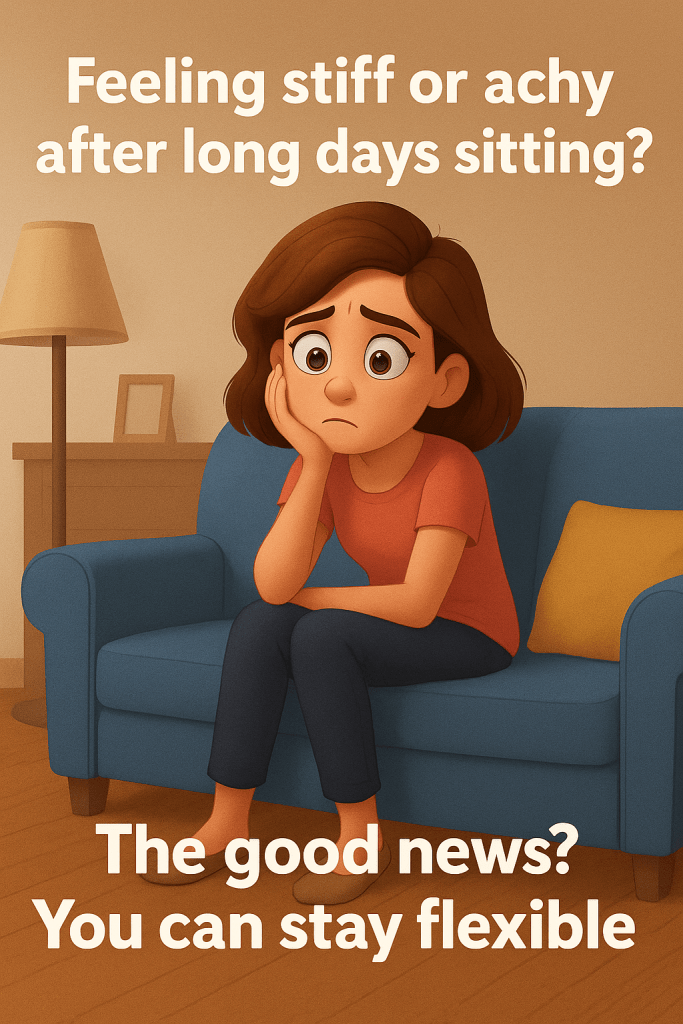
Modern life doesn’t make it easy to stay flexible. Hours at a desk, long commutes, staring at screens, and even the way we relax — often slouched on the sofa — all add up. Over time, the body adapts to these habits. Muscles shorten, joints stiffen, and movements that used to feel easy start to feel restricted.
At Thrive Body Clinic, we often see people who are highly motivated to take care of themselves but feel frustrated that their body doesn’t keep up. They want to get back to exercising, enjoy long walks, play with their kids, or continue hobbies like gardening, but stiffness and aches keep getting in the way.
The good news is that flexibility isn’t something you “lose forever” as you get older. With the right strategies, you can maintain and even improve it, no matter your lifestyle or age. Here are three tips that will help you stay flexible in the face of modern life.
1. Break Up the Sitting Habit
If there’s one thing modern life is brilliant at, it’s keeping us in a chair. Whether you’re working at a computer, driving, or even watching TV to unwind, sitting for long periods is now the default position for most people. The problem? The human body wasn’t designed for it.
When you sit for too long:
- Hip flexors shorten, making standing up straight feel harder.
- The spine rounds forward, placing extra strain on the back and shoulders.
- Blood flow slows, leading to stiffness and fatigue.
Breaking up this cycle is one of the simplest — yet most effective — ways to stay flexible. You don’t have to overhaul your life; just add small interruptions to long periods of sitting.
Practical ways to break up sitting:
- Stand up every 30–45 minutes and stretch tall.
- Keep a glass of water nearby — the need to refill it encourages movement.
- Take phone calls standing up or pacing.
- Add a short walk at lunchtime or after work.
These small habits accumulate, reducing stiffness and giving your body more chances to reset. Many of our patients are surprised at how quickly their flexibility improves when they stop treating sitting as the “default” position.
2. Prioritise Daily Movement, Not Just Workouts
A common frustration we hear is: “I’m exercising a few times a week — why am I still so stiff?” The answer is usually that the rest of the week is sedentary. You might smash out a gym session or go for a run, but if you’re mostly still for the other 23 hours of the day, flexibility will remain limited.
The secret is to build movement into daily life, not just scheduled workouts. Think of it like brushing your teeth — you don’t do it once a week, you do it consistently to maintain health. Flexibility works the same way.
Simple flexibility-boosting habits include:
- A five-minute mobility routine first thing in the morning — gentle twists, reaching overhead, and rolling the shoulders.
- Using stairs instead of lifts or escalators.
- Reaching up high to put something away instead of always keeping everything at waist level.
- Taking “movement snacks” — short bursts of stretching or mobility during the day.
This doesn’t need to be complicated or time-consuming. In fact, the simpler and shorter it is, the more likely you’ll keep it up. At Thrive Body Clinic, we often give patients easy routines tailored to their needs, so they can build flexibility into life without it feeling like yet another task on the to-do list.
3. Care for the Body That Cares for You
Staying flexible isn’t only about stretching and moving — it’s also about recovery and support. Modern lifestyles can leave us stressed, sleep-deprived, and running on empty. When this happens, muscles tighten, movement feels restricted, and the risk of pain increases.
Caring for your body means making space for recovery. This might sound less glamorous than smashing a workout, but it’s just as important.
Ways to support flexibility through recovery:
- Sleep: Aim for consistent rest. Your muscles and joints repair themselves overnight. Without good sleep, stiffness builds up faster.
- Hydration: Dehydrated muscles and joints don’t move as smoothly. Keep water close to hand throughout the day.
- Regular check-ins: If you’re dealing with ongoing stiffness or aches, don’t wait until you’re forced to stop your favourite activity. Osteopathy can help ease restrictions, improve circulation, and restore balance to the body — supporting your flexibility and preventing setbacks.
We often work with patients who feel they’ve “left it too late” to regain flexibility, but with the right care and a few smart changes, they rediscover freedom of movement and get back to doing what they love.
Final Thoughts
Modern life isn’t designed with your body in mind. Sitting, stress, and busy schedules all chip away at flexibility — but it doesn’t have to stay that way. By breaking up long periods of sitting, weaving movement into your daily routine, and supporting your body with recovery and care, you can stay flexible and confident, no matter what life throws at you.
At Thrive Body Clinic, we’re here to help motivated people like you move past frustration and back into the activities you enjoy. If stiffness or pain has been holding you back, book an appointment and let’s help you rediscover what your body is capable of.
📍 Thrive Body Clinic – Helping you move past pain and back into life.
 Thrive Body Clinic Osteopathy & Sports Massage
Leave a comment