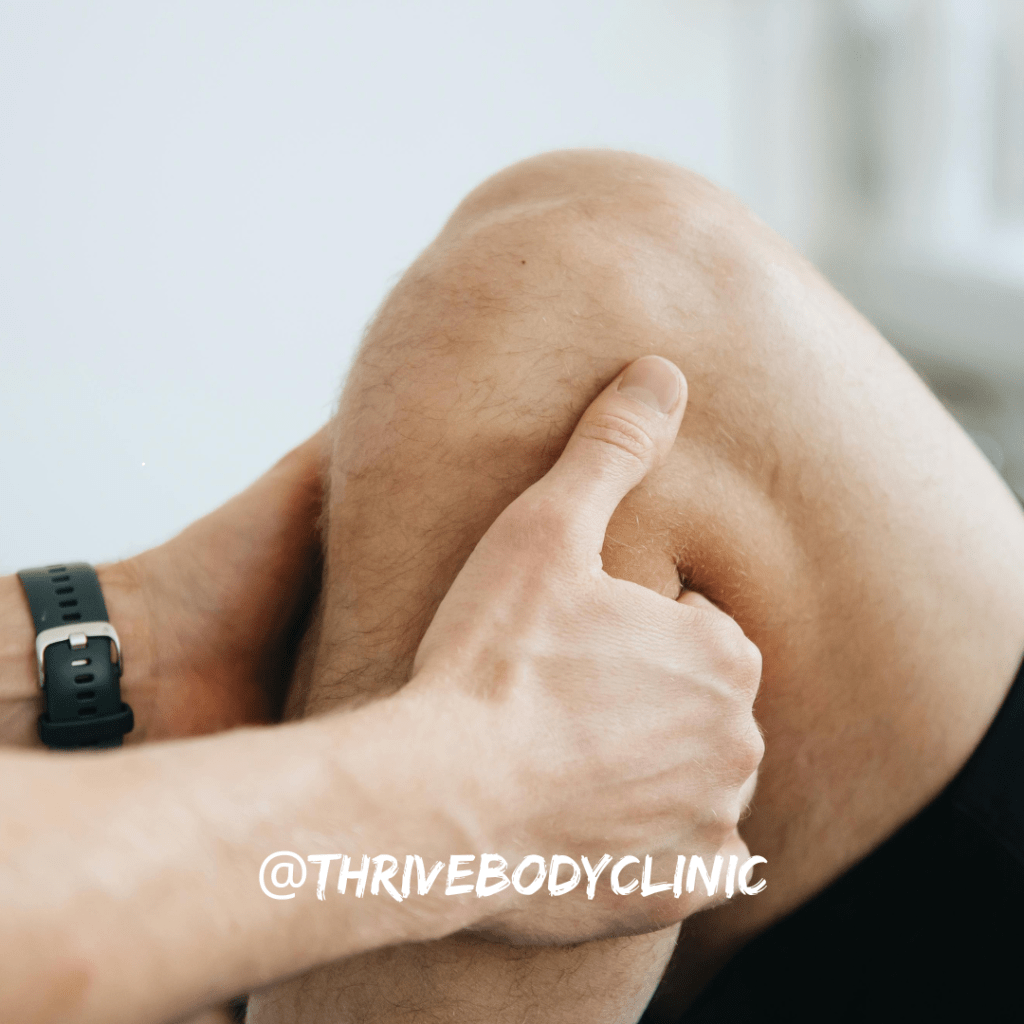
Intermittent vascular claudication, a common symptom of peripheral vascular disease (PVD), can cause significant discomfort and hinder mobility. Many people experiencing this condition struggle with pain, cramping, or fatigue in their legs when walking, often finding relief only with rest. While conventional medical treatments focus on managing underlying vascular issues, osteopathy can play a valuable role in supporting circulation, improving mobility, and enhancing overall vascular health.
In this article, we’ll explore what intermittent vascular claudication is, its causes, symptoms, conventional treatment approaches, and how osteopathic care can complement treatment to help improve circulation, reduce pain, and restore function.
What is Intermittent Vascular Claudication?
Intermittent vascular claudication is a condition where a person experiences muscle pain or cramping in their legs due to inadequate blood flow, typically caused by narrowed or blocked arteries. This is a hallmark symptom of peripheral vascular disease (PVD), which results from the gradual buildup of fatty deposits (atherosclerosis) in the arteries.
The term “intermittent” refers to the fact that the pain comes and goes—usually occurring during physical activity and subsiding with rest. The muscles are unable to receive enough oxygen-rich blood to sustain activity, leading to pain and fatigue.
Causes and Risk Factors
The most common cause of intermittent claudication is atherosclerosis, where plaque builds up in the arteries, restricting blood flow. Other contributing factors include:
- Smoking – One of the strongest risk factors for arterial disease.
- Diabetes – High blood sugar levels can damage blood vessels and accelerate atherosclerosis.
- Hypertension (high blood pressure) – Puts stress on arteries and contributes to plaque formation.
- High cholesterol – Increases fatty deposits in the arteries.
- Obesity – Extra weight places additional strain on the circulatory system.
- Sedentary lifestyle – Lack of movement can contribute to poor circulation and arterial stiffness.
- Age – The risk of vascular disease increases with age.
People with these risk factors should be mindful of any leg pain or discomfort during movement, as early detection can lead to better management.
Symptoms of Intermittent Claudication
The primary symptom is pain in the legs during walking or exercise that eases with rest. However, the condition can present in various ways, including:
- Aching, cramping, or burning sensations in the calves, thighs, or buttocks.
- Leg fatigue or heaviness after walking a short distance.
- Cold or pale skin on the lower limbs, indicating reduced circulation.
- Slow-healing wounds or sores on the feet or legs.
- Weak or absent pulses in the affected limbs.
In more severe cases, pain may persist even when at rest, signalling a critical reduction in blood flow.
Conventional Treatment Approaches
Doctors typically focus on managing the underlying vascular disease with:
1. Lifestyle Changes
- Smoking cessation to prevent further arterial damage.
- Regular exercise, particularly walking programs, to improve circulation.
- Healthy diet rich in omega-3s, fibre, and low in saturated fats.
- Weight management to reduce strain on the circulatory system.
2. Medications
- Antiplatelet drugs (e.g., aspirin, clopidogrel) to reduce clot formation.
- Cholesterol-lowering drugs (statins) to slow atherosclerosis.
- Blood pressure medications to protect artery health.
- Medications like cilostazol that help improve blood flow to the legs.
3. Surgical Interventions
For severe cases, procedures like angioplasty (widening the arteries with a balloon and stent) or bypass surgery (rerouting blood flow around blocked arteries) may be necessary.
How Can Osteopathy Help with Intermittent Claudication?
While medical treatment addresses the primary vascular issues, osteopathy can complement care by improving circulation, relieving muscle tension, and supporting overall mobility. Here’s how osteopathic care can help:
1. Improving Circulation and Blood Flow
Osteopathic techniques, such as soft tissue manipulation, myofascial release, and lymphatic drainage, help stimulate blood flow, reduce fluid retention, and encourage oxygenated blood to reach the affected muscles. This can reduce pain and improve walking endurance.
2. Addressing Postural and Muscular Imbalances
Restricted blood flow to the legs can lead to muscle imbalances and altered movement patterns. Osteopaths assess gait (walking patterns) and adjust misalignments in the pelvis, hips, and lower back to reduce strain on the affected limbs. Correcting these imbalances can improve efficiency in movement and reduce discomfort.
3. Enhancing Flexibility and Reducing Muscle Tension
Muscles in the legs and lower back can become tight due to poor circulation and compensatory movement patterns. Osteopaths use stretching and mobilization techniques to relax tight muscles, improve joint flexibility, and restore a natural range of motion.
4. Nervous System Regulation and Pain Relief
By working on the autonomic nervous system, osteopathy helps regulate blood vessel constriction and dilation, supporting better circulation. Techniques such as cranial osteopathy and gentle spinal adjustments can help reduce pain perception and improve overall well-being.
5. Encouraging Exercise and Movement Strategies
Osteopaths provide individualized exercise guidance to improve walking tolerance without overexertion. They may recommend:
- Supervised walking programs to enhance circulation.
- Gentle strength training to improve muscle endurance.
- Stretching routines to keep muscles flexible and functional.
6. Supporting the Lymphatic System to Reduce Swelling
If poor circulation leads to swelling in the lower legs, osteopathic lymphatic drainage techniques can encourage fluid movement, reducing swelling and discomfort.
Lifestyle Tips for Managing Intermittent Claudication
In addition to osteopathic treatment, adopting healthy lifestyle habits can significantly improve vascular health:
- Walk regularly – Gradually increasing walking distance can help improve circulation.
- Avoid prolonged sitting – Move frequently to prevent blood pooling in the legs.
- Stay hydrated – Proper hydration helps maintain good blood flow.
- Elevate legs – Helps reduce swelling and improve venous return.
- Wear proper footwear – Supportive shoes improve gait and reduce strain on the legs.
- Reduce stress – Chronic stress can constrict blood vessels, worsening symptoms.
Conclusion
Intermittent vascular claudication is a challenging condition, but with the right combination of medical management, lifestyle changes, and osteopathic care, individuals can improve their mobility and quality of life. Osteopathy offers a holistic approach to support circulation, relieve muscle tension, and enhance movement patterns, making it an excellent complementary treatment.
At Thrive Body Clinic, we specialize in helping individuals manage circulatory and musculoskeletal conditions through gentle, hands-on osteopathic techniques. If you or a loved one experience leg pain while walking, book an appointment today to explore how osteopathy can help you move more freely and comfortably.
 Thrive Body Clinic Osteopathy & Sports Massage
Leave a comment