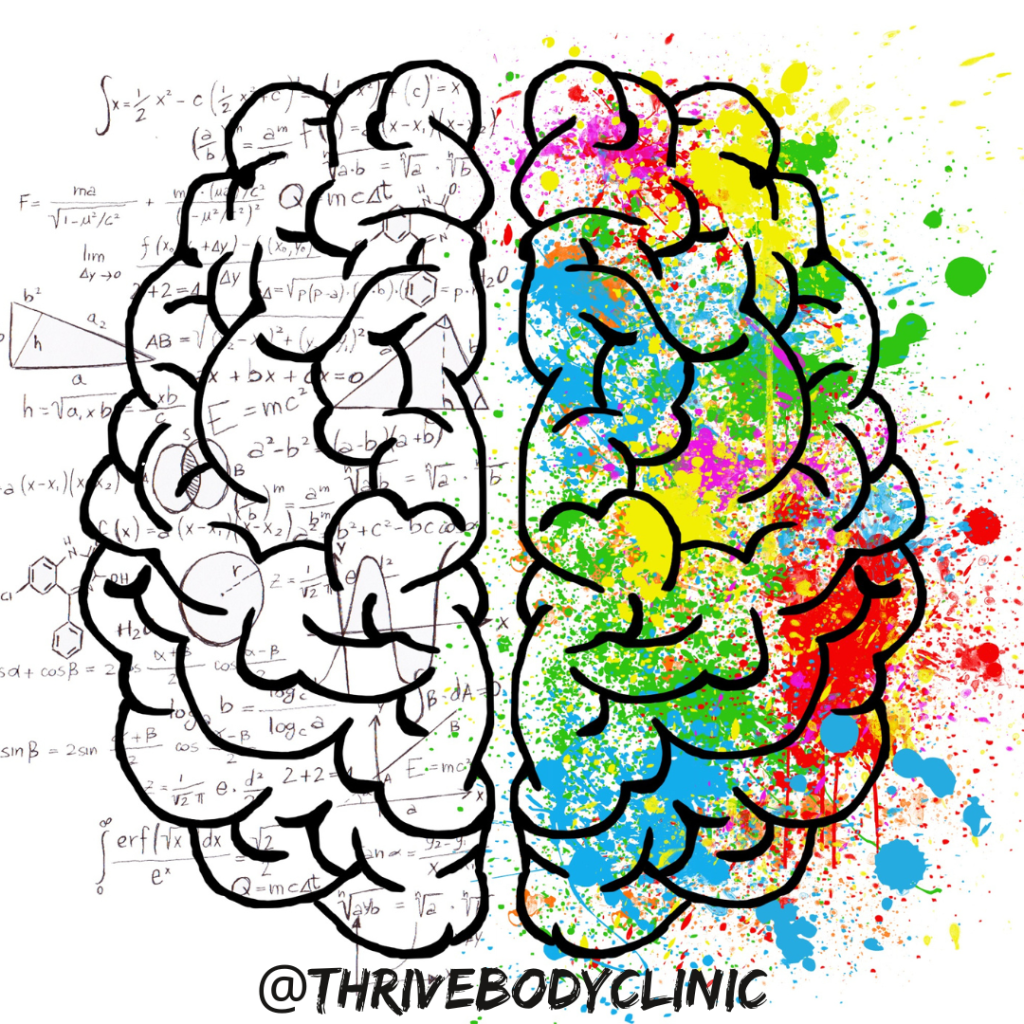
When we think of muscles, we usually picture biceps, hamstrings, or the powerful glutes that help us move through our day. However, the most important organ that governs movement, function, and overall well-being is not technically a muscle at all—it’s the brain. Despite being made up of neurons rather than muscle fibres, the brain acts like a muscle in many ways. It requires regular exercise, proper nutrition, and a well-balanced lifestyle to function at its best.
At Thrive Body Clinic, we often remind our patients that the health of the brain and body are deeply interconnected. Through osteopathy and other holistic approaches, we can support not just the spine and muscles but also cognitive function and mental clarity. In this blog, we’ll explore how to keep your brain in top condition and how osteopathy can play a role in optimizing its health.
Understanding Brain Health
The brain controls everything from thought and memory to movement and autonomic functions like breathing and digestion. It consists of billions of neurons that communicate through electrical and chemical signals, allowing us to process information and respond to our environment. Like any muscle, the brain benefits from being challenged and nurtured.
Key factors that influence brain health include:
- Circulation and oxygenation
- Nutrient intake
- Stress management
- Movement and posture
- Cognitive stimulation
- Rest and sleep
By addressing these areas, we can help maintain optimal brain function and reduce the risk of cognitive decline.
How Osteopathy Supports Brain Health
Osteopathy is often associated with musculoskeletal care, but its principles extend far beyond joint and muscle pain. The holistic nature of osteopathic treatment means that it can have profound effects on circulation, nervous system function, and overall brain health.
1. Enhancing Circulation and Oxygen Flow
The brain relies on a constant supply of oxygen-rich blood to function efficiently. Poor circulation can lead to brain fog, headaches, and fatigue. Osteopathic techniques, such as cranial osteopathy and myofascial release, help improve blood flow to the brain by relieving tension in the neck, shoulders, and spine. This ensures that the brain receives the nutrients and oxygen it needs to perform at its best.
2. Reducing Stress and Tension
Chronic stress has a significant impact on brain function. When we experience stress, the body releases cortisol, a hormone that can negatively affect memory and cognitive performance if elevated for prolonged periods. Osteopathic treatment helps reduce stress by balancing the autonomic nervous system, relieving tension in the muscles, and improving the body’s ability to relax and recover. Techniques like gentle manipulations and soft tissue work can also help alleviate symptoms of stress-related conditions such as tension headaches and migraines.
3. Supporting Posture and Nervous System Function
The brain and spinal cord make up the central nervous system (CNS), which controls every function in the body. Poor posture, spinal misalignments, and muscle imbalances can interfere with the nervous system’s ability to send and receive signals effectively. Osteopathy helps restore proper alignment and function, ensuring that nerve communication between the brain and body remains optimal. Correcting posture can also reduce strain on the neck and improve blood flow to the brain, enhancing cognitive function.
4. Encouraging Restorative Sleep
Sleep is essential for brain health. It allows the brain to clear out toxins, consolidate memories, and regulate hormones. Many people struggle with sleep due to chronic pain, stress, or musculoskeletal discomfort. Osteopathy can help by addressing underlying issues such as tension in the neck and back, which may be contributing to poor sleep quality. Gentle osteopathic techniques can promote relaxation and improve the body’s ability to enter a deep, restful sleep.
5. Enhancing Cognitive Function and Mental Clarity
Brain fog and cognitive fatigue are common complaints in today’s fast-paced world. Factors such as poor circulation, stress, and lack of movement can contribute to these symptoms. By improving blood flow, reducing tension, and optimizing nervous system function, osteopathic treatments can help enhance mental clarity, focus, and overall cognitive performance.
Lifestyle Tips for a Healthy Brain
In addition to osteopathic care, there are several lifestyle changes you can implement to support brain health:
1. Stay Physically Active
Exercise increases blood flow to the brain and promotes the release of neuroprotective chemicals. Activities such as walking, yoga, and resistance training help keep both the body and mind in peak condition.
2. Eat a Brain-Boosting Diet
A diet rich in omega-3 fatty acids, antioxidants, and essential vitamins supports brain function. Incorporate foods such as salmon, leafy greens, nuts, berries, and whole grains to provide the necessary nutrients for cognitive health.
3. Challenge Your Mind
Just like a muscle, the brain needs regular stimulation to stay strong. Engage in activities that challenge your thinking, such as puzzles, reading, learning a new skill, or playing a musical instrument.
4. Prioritize Sleep
Lack of sleep can impair memory, concentration, and decision-making abilities. Aim for 7-9 hours of quality sleep per night and maintain a consistent sleep routine to support brain function.
5. Manage Stress Effectively
Chronic stress can negatively impact the brain. Techniques such as deep breathing, meditation, and osteopathy can help manage stress levels and improve overall mental well-being.
6. Maintain Good Posture
Poor posture can restrict blood flow to the brain and cause tension headaches. Pay attention to how you sit and stand, and consider osteopathic treatment to correct any postural imbalances.
Final Thoughts
Your brain is your most valuable asset, and just like any other muscle, it requires regular care and attention to function optimally. At Thrive Body Clinic, we believe in a holistic approach to health—one that integrates osteopathic care with lifestyle adjustments to support both the body and mind.
Whether you’re experiencing brain fog, stress, poor sleep, or postural issues, osteopathy can help improve circulation, relieve tension, and enhance overall brain function. By taking proactive steps to support your brain health, you can improve mental clarity, emotional well-being, and overall quality of life.
If you’re interested in learning more about how osteopathy can support your brain health, book an appointment with us today at Thrive Body Clinic. Your brain—and body—will thank you for it!
 Thrive Body Clinic Osteopathy & Sports Massage
Leave a comment