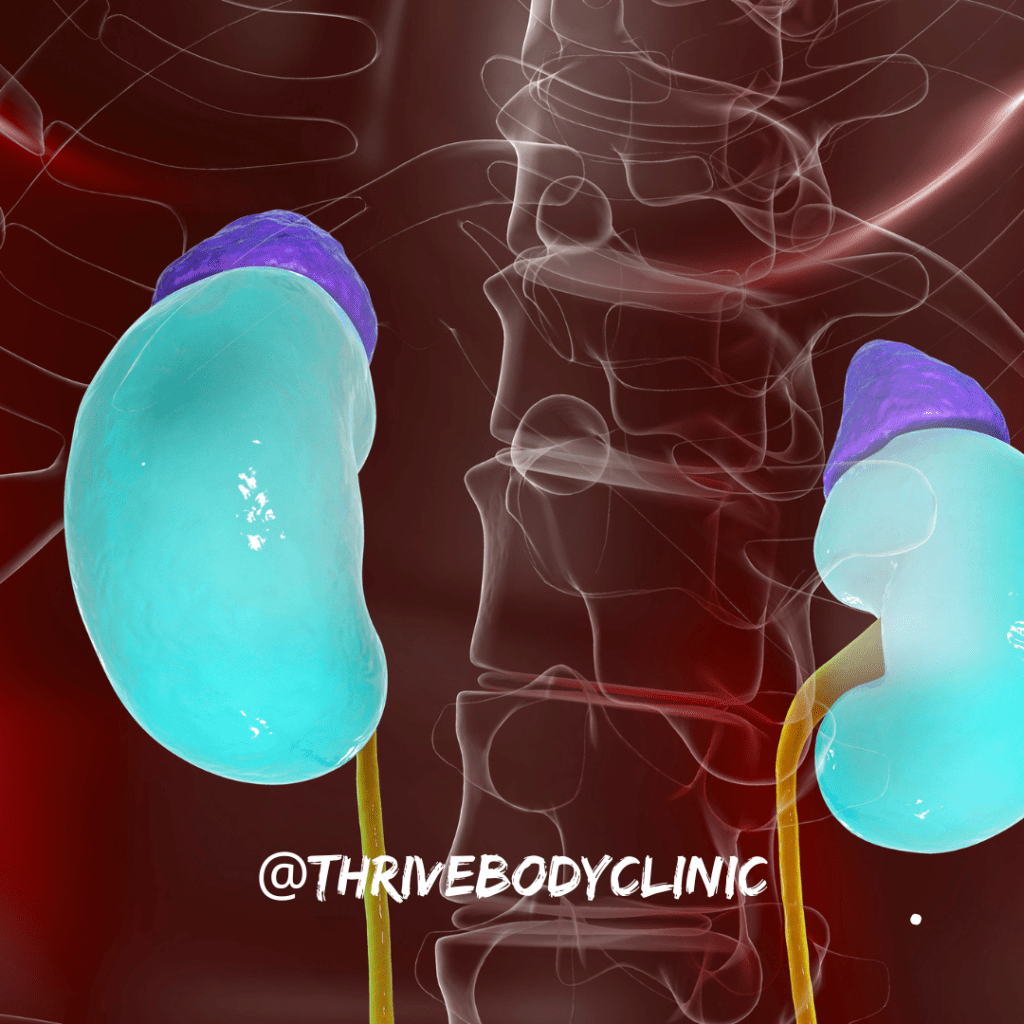
Addison’s disease, also known as primary adrenal insufficiency, is a rare but significant condition where the adrenal glands fail to produce adequate amounts of certain hormones. Popularized in pop culture by shows like House M.D., Addison’s disease often garners attention for its mysterious and deceptive nature. At Thrive Body Clinic, we believe in raising awareness about lesser-known conditions like Addison’s and exploring how holistic care can support individuals living with this condition.
This blog will delve into the signs, symptoms, causes, and treatment options for Addison’s disease while touching on how an integrative approach, including osteopathy, can help manage its impacts.
What Is Addison’s Disease?
The adrenal glands, small triangular organs located atop each kidney, are responsible for producing critical hormones like cortisol and aldosterone. These hormones regulate essential body functions, including metabolism, blood pressure, and immune response.
In Addison’s disease, the adrenal glands produce insufficient cortisol and, in many cases, aldosterone. This condition often develops slowly and can be life-threatening if left untreated, particularly during an adrenal crisis when the body is unable to meet increased demands for cortisol during stress or illness.
The “Great Mimicker”
Addison’s disease is often called the “great mimicker” because its symptoms overlap with many other conditions. This can make diagnosis challenging, sometimes delaying treatment.
Common Signs and Symptoms:
- Fatigue
Persistent, overwhelming fatigue is a hallmark of Addison’s disease. Patients often describe it as feeling exhausted despite rest. - Unexplained Weight Loss
Loss of appetite and unintentional weight loss are common early indicators. - Skin Changes
Hyperpigmentation, or darkening of the skin, especially on scars, knuckles, gums, and other sun-exposed areas, is a tell-tale sign. - Low Blood Pressure
Many individuals experience dizziness or fainting due to low blood pressure, which worsens when standing up (postural hypotension). - Salt Cravings
Because of aldosterone deficiency, the body struggles to maintain sodium levels, leading to intense salt cravings. - Abdominal Pain and Digestive Issues
Symptoms like nausea, vomiting, and diarrhoea are frequently reported. - Muscle and Joint Pain
Generalized aches and stiffness are common. - Mental Health Symptoms
Depression, irritability, or confusion can be present due to the hormonal imbalance. - Adrenal Crisis
In extreme cases, a person may experience an adrenal crisis, characterized by severe pain, low blood pressure, confusion, vomiting, and even unconsciousness. This is a medical emergency requiring immediate intervention.
Causes of Addison’s Disease
The root cause of Addison’s disease is damage to the adrenal glands. In most cases, this damage is the result of an autoimmune response, where the body mistakenly attacks its own tissues. However, other causes include:
- Infections
Tuberculosis, fungal infections, and HIV can damage adrenal glands. - Genetic Disorders
Rare genetic conditions like adrenoleukodystrophy can lead to adrenal insufficiency. - Cancer or Tumours
Metastatic cancers or adrenal tumours may impair adrenal gland function. - Medications
Certain drugs, like those used for chronic steroid therapy, can suppress adrenal gland activity. - Other Conditions
Conditions like amyloidosis or bleeding into the adrenal glands can also cause Addison’s.
Diagnosis
Diagnosis typically involves a combination of:
- Blood Tests: To measure cortisol, aldosterone, and ACTH (adrenocorticotropic hormone) levels.
- ACTH Stimulation Test: Evaluates adrenal gland response to synthetic ACTH.
- Imaging: CT or MRI scans may reveal structural issues in the adrenal glands.
Treatment for Addison’s Disease
While Addison’s disease is a chronic condition, effective management allows individuals to live a normal and active life.
Hormone Replacement Therapy
- Cortisol Replacement
Hydrocortisone tablets are commonly prescribed to replace deficient cortisol. - Aldosterone Replacement
Fludrocortisone is used to manage aldosterone deficiency and regulate sodium levels. - Emergency Care
Patients are often advised to carry injectable hydrocortisone for emergencies, such as during an adrenal crisis.
Lifestyle Management
- Regular Monitoring: Frequent check-ups help adjust medication levels as needed.
- Dietary Adjustments: A balanced diet rich in sodium, potassium, and hydration is crucial.
- Stress Management: Learning stress-reduction techniques is essential as stress can trigger symptoms.
How Osteopathy Can Help
While medical treatment is essential for Addison’s disease, complementary therapies like osteopathy can help improve overall well-being. At Thrive Body Clinic, we focus on supporting your body’s resilience and addressing secondary issues caused by chronic conditions.
- Reducing Stress and Fatigue
Osteopathic techniques improve circulation and lymphatic flow, which can promote relaxation and reduce fatigue. - Supporting Digestive Health
Gentle manipulative techniques can relieve tension in the abdomen, supporting better digestion and easing symptoms like nausea and abdominal pain. - Improving Mobility
Muscle and joint pain are common in Addison’s. Osteopathic treatment can help restore range of motion and reduce discomfort. - Enhancing Circulation
Techniques to improve circulation can address low blood pressure symptoms and enhance overall vitality. - Holistic Support
By working closely with patients, osteopaths provide tailored care that complements traditional treatments, focusing on improving quality of life.
Living Well with Addison’s
Managing Addison’s disease involves a proactive and informed approach. Beyond medication, lifestyle choices play a crucial role:
- Educate Yourself: Understanding your condition empowers you to advocate for your health.
- Create a Support System: Share your diagnosis with close friends and family so they can assist in emergencies.
- Listen to Your Body: Learn to recognize when your body is under stress and adjust accordingly.
- Stay Active: Gentle, regular exercise can boost energy levels and improve mood.
- Plan for Emergencies: Always carry an emergency medical kit and inform those around you about its use.
Final Thoughts
At Thrive Body Clinic, we understand the challenges of living with chronic conditions like Addison’s disease. Our holistic approach aims to complement your medical treatment plan, helping you lead a healthier and more comfortable life.
Whether you’re seeking stress relief, pain management, or improved mobility, our osteopathic treatments are tailored to your unique needs. Book a consultation today and let us support your journey to better health.
 Thrive Body Clinic Osteopathy & Sports Massage
Leave a comment