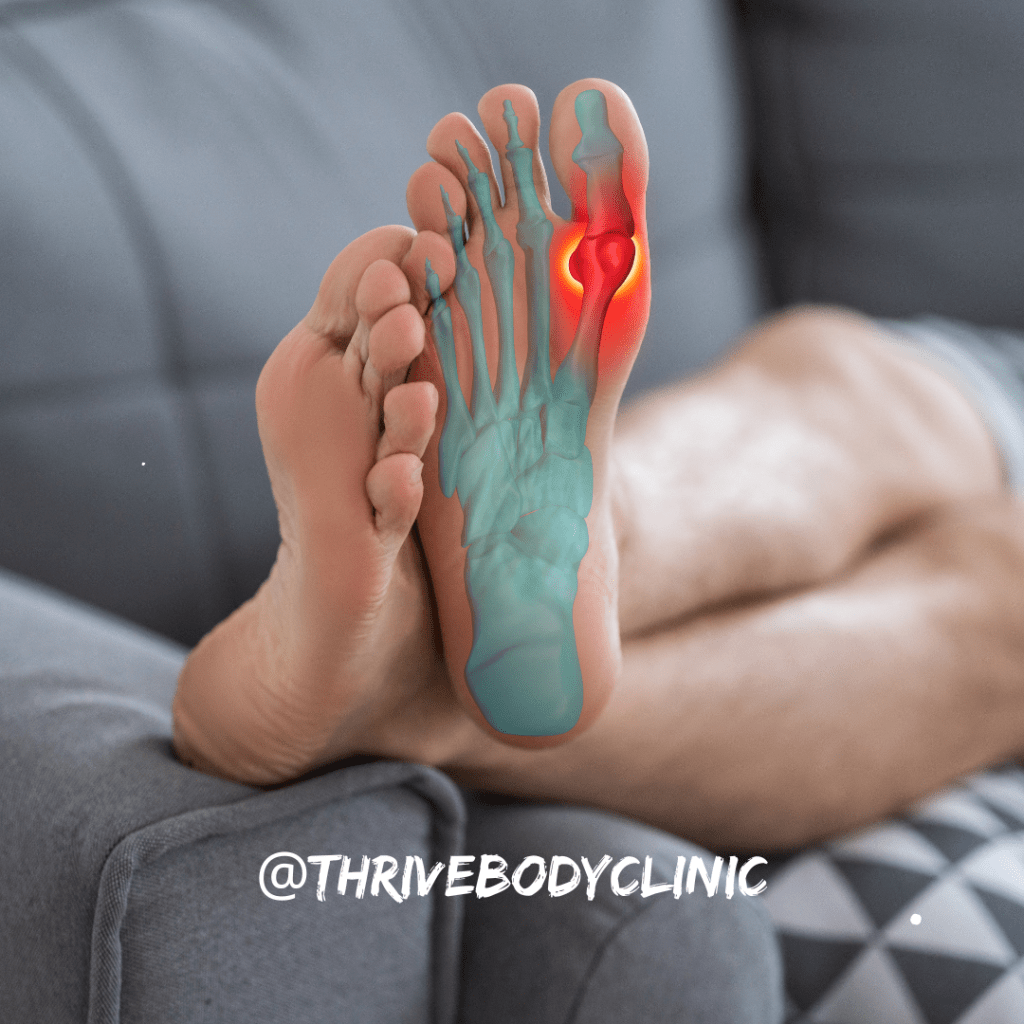
Gout is a form of arthritis that can significantly impact quality of life. Known for its sudden and severe joint pain, it often catches people off guard, leaving them searching for answers. At Thrive Body Clinic, we believe in providing comprehensive care, which includes educating our patients about conditions like gout and how osteopathy can support their recovery journey.
In this blog, we’ll explore what gout is, its symptoms, common treatments, and the role osteopathy can play in managing and preventing flare-ups.
What Is Gout?
Gout is a type of inflammatory arthritis caused by elevated levels of uric acid in the blood, a condition called hyperuricemia. Uric acid is a waste product formed when the body breaks down purines—substances found in certain foods and drinks like red meat, seafood, and alcohol.
When uric acid levels become too high, it can crystallize and deposit in the joints, causing inflammation and pain. Gout most commonly affects the big toe but can occur in other joints like the ankles, knees, wrists, and elbows.
Symptoms of Gout
Gout symptoms often appear suddenly, usually at night, and can include:
- Intense Joint Pain: The pain typically affects one joint at a time and can be so severe that even the weight of a bedsheet feels unbearable.
- Swelling and Redness: The affected joint may become swollen, red, and warm to the touch.
- Limited Range of Motion: As the joint becomes inflamed, movement can become restricted.
- Lingering Discomfort: After the acute pain subsides, the joint may remain tender and uncomfortable for days or weeks.
Without treatment, gout attacks can become more frequent and severe, potentially leading to permanent joint damage.
Risk Factors for Gout
Several factors can increase your risk of developing gout, including:
- Diet: Consuming purine-rich foods like red meat, shellfish, and sugary beverages can raise uric acid levels.
- Alcohol Consumption: Especially beer and spirits, which can interfere with uric acid removal.
- Obesity: Extra weight increases uric acid production and puts additional stress on joints.
- Medical Conditions: High blood pressure, diabetes, and kidney disease are associated with an increased risk of gout.
- Genetics: A family history of gout may predispose you to the condition.
How Is Gout Diagnosed?
Doctors typically diagnose gout based on:
- Medical History: A review of symptoms and lifestyle factors.
- Physical Examination: Identifying signs like redness and swelling in joints.
- Blood Tests: Measuring uric acid levels in the blood.
- Joint Fluid Analysis: Confirming the presence of uric acid crystals in joint fluid.
Traditional Treatments for Gout
- Medications:
- Nonsteroidal Anti-Inflammatory Drugs (NSAIDs): Help reduce pain and inflammation.
- Colchicine: A medication that decreases inflammation and pain during an attack.
- Corticosteroids: Prescribed for severe cases to reduce joint swelling.
- Urate-Lowering Therapy (ULT): Long-term medications like allopurinol help reduce uric acid levels.
- Lifestyle Modifications:
- Adjusting diet to limit purine-rich foods.
- Staying hydrated to help flush out uric acid.
- Maintaining a healthy weight.
- Joint Care: Resting the affected joint during a flare-up can alleviate discomfort and prevent further damage.
How Osteopathy Can Help with Gout
While traditional treatments focus on managing pain and reducing uric acid levels, osteopathy offers a complementary approach to improve joint health, reduce inflammation, and enhance mobility.
1. Reducing Inflammation and Swelling
Osteopathic techniques like soft tissue massage and gentle joint mobilization can help reduce inflammation around the affected joint. By promoting better circulation, these techniques encourage the removal of excess fluid and metabolic waste products, including uric acid crystals.
2. Improving Joint Mobility
Repeated gout attacks can lead to joint stiffness and reduced range of motion. Osteopathic manipulative therapy (OMT) focuses on restoring mobility by gently realigning joints and addressing muscular imbalances. This can help prevent long-term joint damage.
3. Supporting the Lymphatic System
Osteopaths often work to optimize lymphatic drainage, which is essential for reducing swelling and flushing out toxins. Techniques aimed at improving lymphatic flow can aid in the body’s natural detoxification processes, supporting overall recovery from gout flare-ups.
4. Preventing Recurrence
An osteopath will also assess the body as a whole to identify contributing factors like postural issues or biomechanical imbalances. Addressing these issues can reduce strain on vulnerable joints, lowering the likelihood of future attacks.
5. Pain Management
Chronic pain from gout can take a toll on physical and mental well-being. Osteopathic treatments aim to relieve pain holistically by improving alignment, releasing tension, and enhancing the body’s natural healing processes.
Self-Care Tips for Managing Gout
In addition to osteopathic treatments, here are some practical tips for managing gout at home:
- Stay Hydrated: Drinking plenty of water helps dilute uric acid and encourages its elimination.
- Adopt a Gout-Friendly Diet: Focus on low-purine foods like vegetables, whole grains, and low-fat dairy products.
- Limit Alcohol and Sugary Drinks: These can interfere with the body’s ability to process uric acid.
- Maintain a Healthy Weight: Losing weight gradually can reduce uric acid levels without triggering an attack.
- Elevate and Rest the Joint: During a flare-up, elevate the affected joint to reduce swelling and rest it to avoid further strain.
A Holistic Approach to Gout Care at Thrive Body Clinic
At Thrive Body Clinic, we understand that gout can be a debilitating condition that affects your physical and emotional health. Our osteopathic approach focuses on treating the whole person, not just the symptoms, to help you achieve lasting relief.
By combining osteopathic techniques with personalized advice on diet, exercise, and lifestyle, we aim to empower you to take control of your health and reduce the frequency and severity of gout flare-ups.
When to Seek Help
If you’re experiencing symptoms of gout, don’t wait for them to worsen. Early intervention can prevent complications like chronic joint damage and kidney stones. If you’ve already been diagnosed, osteopathy can work alongside your existing treatment plan to enhance your recovery and overall well-being.
Conclusion
Gout may be a painful and disruptive condition, but with the right care and management strategies, it doesn’t have to control your life. From traditional treatments to holistic osteopathic care, there are numerous ways to manage symptoms, prevent flare-ups, and restore joint health.
At Thrive Body Clinic, we are here to support you every step of the way. Whether you’re dealing with your first gout attack or managing chronic symptoms, we’re committed to helping you thrive.
If you’d like to learn more about how osteopathy can help with gout or other joint conditions, don’t hesitate to get in touch with us. Let’s work together to restore your health and well-being!
 Thrive Body Clinic Osteopathy & Sports Massage
Leave a comment