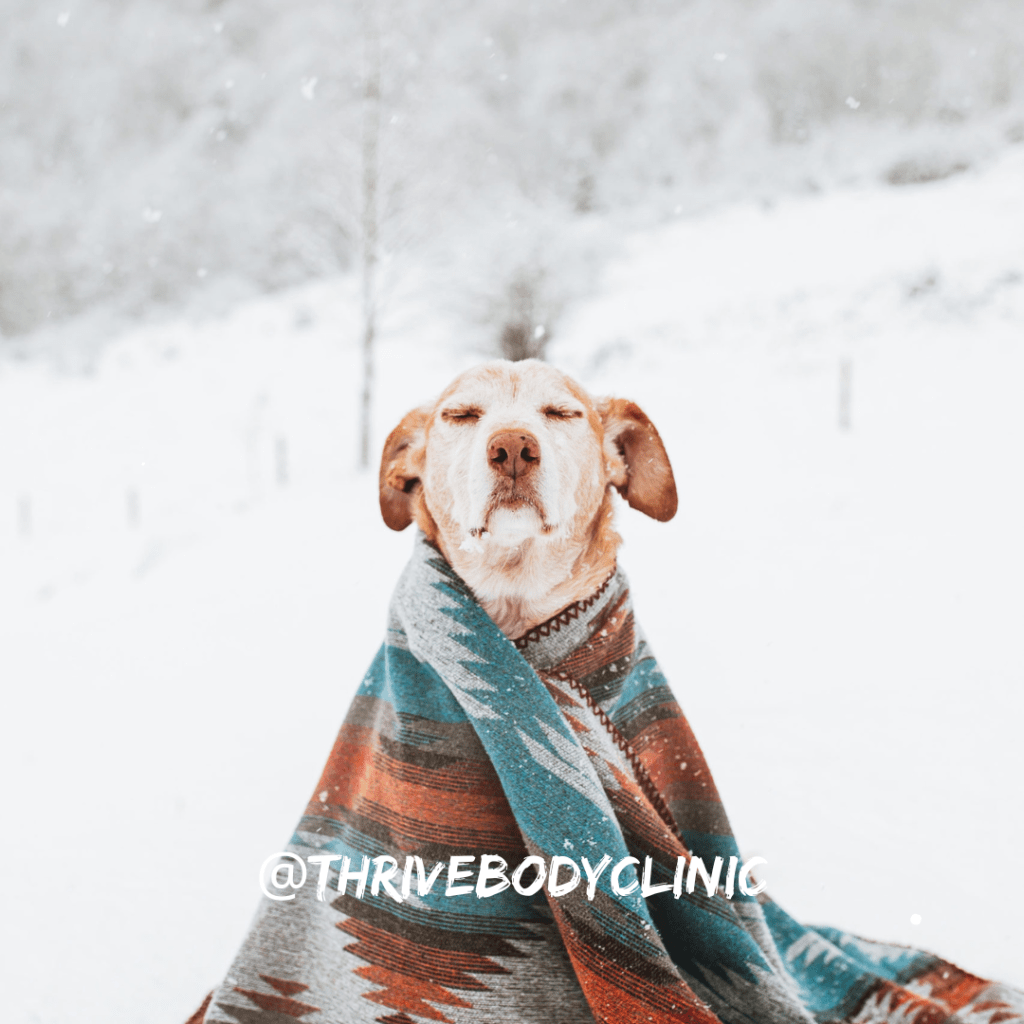
As temperatures drop and winter settles in, many people find their circulation takes a hit. Cold weather causes blood vessels to constrict, reducing blood flow to extremities and sometimes leaving hands and feet feeling icy and uncomfortable. For individuals with existing circulatory issues, such as Raynaud’s disease or varicose veins, winter can exacerbate symptoms. At Thrive Body Clinic, we understand how crucial healthy circulation is for overall well-being. That’s why we’ve put together these three tips to keep your blood flowing this winter.
1. Stay Warm and Layer Up
Cold temperatures cause vasoconstriction, a natural response where blood vessels narrow to preserve core body temperature. While this is necessary for survival, it can lead to discomfort and poor circulation in your extremities.
Why Warmth Matters
Keeping warm helps prevent this constriction and maintains optimal blood flow. A well-regulated temperature reduces stress on your circulatory system, allowing your body to deliver oxygen and nutrients efficiently.
Tips for Staying Warm
- Dress in Layers: Wear thermal underlayers, thick socks, gloves, and scarves. Insulated footwear is particularly helpful in preventing heat loss through your feet.
- Use Heating Aids: Hot water bottles, electric blankets, and hand warmers can provide localized heat to areas prone to poor circulation.
- Stay Active Indoors: Movement generates heat and helps maintain circulation. If venturing outside, warm up properly before exposing your body to the cold.
Osteopath’s Advice
Osteopathic treatment can target areas where stiffness and poor circulation have developed due to the cold. Gentle mobilization techniques and massage can promote blood flow and help reduce discomfort in chronically cold areas, such as the hands and feet.
2. Keep Moving to Stimulate Blood Flow
It’s tempting to hibernate during the winter, but staying active is key to keeping your circulatory system healthy. Movement helps the heart pump blood more efficiently, ensuring your extremities receive adequate oxygen and nutrients.
Simple Winter Exercises
- Walking: A brisk daily walk, even for just 20 minutes, can do wonders for circulation. Opt for non-slip shoes if it’s icy outside.
- Stretching Routines: Dynamic stretches like leg swings, arm circles, and gentle twists keep your joints supple and encourage blood flow.
- Seated Exercises: If you’re indoors or sitting at a desk, try ankle pumps, seated marches, or calf raises to prevent stagnation in your legs.
Targeted Stretches for Better Circulation
- Forward Fold Stretch: Helps lengthen the spine and improve blood flow to the upper body.
- Cat-Cow Stretch: Boosts circulation to the spine while improving flexibility.
- Downward Dog Pose: Enhances circulation in the legs and upper body.
Osteopath’s Advice
Osteopathic adjustments can release tension in key areas like the neck, shoulders, and lower back, which may restrict blood flow. Additionally, we can guide you in creating a tailored stretching routine to address specific circulatory challenges.
3. Support Your Circulatory Health Through Nutrition and Lifestyle
What you eat and how you manage your overall health play significant roles in maintaining circulation. Winter is a great time to focus on habits that support your cardiovascular system.
Circulation-Friendly Foods
Certain nutrients help dilate blood vessels and improve circulation. Include these in your winter diet:
- Omega-3 Fatty Acids: Found in salmon, mackerel, walnuts, and flaxseeds, these fats reduce inflammation and improve blood flow.
- Citrus Fruits: Oranges, grapefruits, and lemons are rich in vitamin C, which strengthens blood vessel walls.
- Spices: Ginger, turmeric, and cayenne pepper have natural circulation-boosting properties – or at the very least add some spice to your food.
Hydration Is Key
It’s easy to drink less water in winter, but dehydration thickens the blood and slows circulation. Aim for 6–8 glasses of water daily, supplementing with herbal teas if you prefer something warm.
Lifestyle Adjustments
- Avoid sitting still for long periods. Stand up and stretch regularly.
- If you smoke, consider quitting, as nicotine constricts blood vessels.
- Manage stress through mindfulness, yoga, or breathing exercises, as stress can negatively impact circulation.
Osteopath’s Advice
Osteopathy can play a complementary role in supporting a healthy lifestyle. Techniques like lymphatic drainage and soft tissue work can optimize circulation and help your body process toxins more efficiently. Additionally, we can advise on ergonomic improvements to reduce stress on your body during daily activities.
Why Circulation Matters
Healthy circulation doesn’t just keep your hands and feet warm; it’s essential for delivering oxygen and nutrients to every cell in your body. Improved circulation boosts energy levels, enhances immunity, and promotes healing. In winter, when your body is already under additional strain, maintaining good blood flow becomes even more critical.
At Thrive Body Clinic, we’re here to support you through the colder months. Whether you’re looking for tailored advice, treatment for a circulatory condition, or simply a tune-up to keep your body performing its best, we’re here to help.
Book your appointment today and let us help you thrive this winter!
 Thrive Body Clinic Osteopathy & Sports Massage
Leave a comment