Introduction The pelvis is a central part of our skeletal system, connecting our upper and lower body and playing a crucial role in posture, balance, and movement. When the pelvis is out of alignment, it can lead to discomfort, mobility issues, and increased risk of injury. One common issue is posterior pelvic tilt, where the pelvis rotates backward. In this post, we’ll explore what causes a posterior pelvic tilt, the symptoms it can present, and how osteopathy can support your recovery and overall well-being.
What Is a Posterior Pelvic Tilt? Posterior pelvic tilt occurs when the pelvis rotates backward, causing the lower back to flatten and the hips to tuck under. This misalignment can put additional stress on surrounding muscles, joints, and ligaments, disrupting natural body mechanics. It’s the opposite of an anterior pelvic tilt, where the pelvis tilts forward, creating a more pronounced curve in the lower back.
Symptoms of Posterior Pelvic Tilt
- Flattened Lower Back: One of the most obvious signs is a reduction in the natural curvature of the lower spine, leading to a straighter, flattened appearance.
- Hip and Lower Back Pain: The altered pelvic position can cause discomfort in the lower back and hips. This pain may become more pronounced during activities such as prolonged sitting or standing.
- Poor Posture: Individuals with a posterior pelvic tilt often exhibit poor posture, with rounded shoulders and a forward head position.
- Restricted Mobility: Limited movement in the hips and lower back can make daily activities more challenging and uncomfortable.
- Tight Hamstrings: The backward rotation of the pelvis can result in shortened, tight hamstrings, which may feel stiff and contribute to further discomfort.
- Core Weakness: Because of the pelvic misalignment, the core muscles may become weakened, exacerbating postural and stability problems.
What Causes Posterior Pelvic Tilt? Understanding the underlying causes of a posterior pelvic tilt is crucial to addressing it effectively. Several factors can contribute to this condition, including:
- Prolonged Sitting: Sitting for long periods, especially with poor posture, can lead to muscle imbalances. The hip flexors may become weak, and the gluteal muscles may become inactive, resulting in a backward-tilted pelvis.
- Muscle Imbalances: Weak core muscles and overactive or tight hamstrings can contribute to the development of a posterior pelvic tilt. The pelvis’s position relies heavily on muscle support to maintain alignment.
- Sedentary Lifestyle: A lack of physical activity can exacerbate muscle imbalances and weaken key stabilizing muscles around the pelvis and spine.
- Previous Injury: A history of lower back or hip injuries may influence pelvic alignment, leading to compensatory postural changes.
- Poor Movement Patterns: Repetitive actions, like bending incorrectly or lifting with poor technique, can also lead to misalignment over time.
How Osteopathy Can Help
Osteopathy is a holistic approach that focuses on the interconnection between the body’s structures and its function. Osteopaths use manual techniques to improve mobility, relieve pain, and restore balance throughout the body. Here’s how osteopathy can assist individuals with a posterior pelvic tilt:
- Comprehensive Assessment An osteopath will begin by assessing your posture, muscle tone, and joint movement. They may also take a detailed history of your symptoms and daily activities to identify contributing factors. This comprehensive evaluation helps create a tailored treatment plan that addresses the root causes of your pelvic tilt.
- Soft Tissue Techniques Osteopaths use soft tissue manipulation to release tight muscles and improve blood flow to affected areas. For posterior pelvic tilt, they may work on the hamstrings, gluteal muscles, and lower back to relieve tension and improve flexibility. This approach can help balance muscle length and promote a more neutral pelvic position.
- Joint Mobilization Restricted joint movement can exacerbate a posterior pelvic tilt. Osteopaths employ gentle mobilization techniques to increase the range of motion in the lower back, hips, and pelvis. These techniques can reduce stiffness, relieve pain, and enhance overall body mechanics.
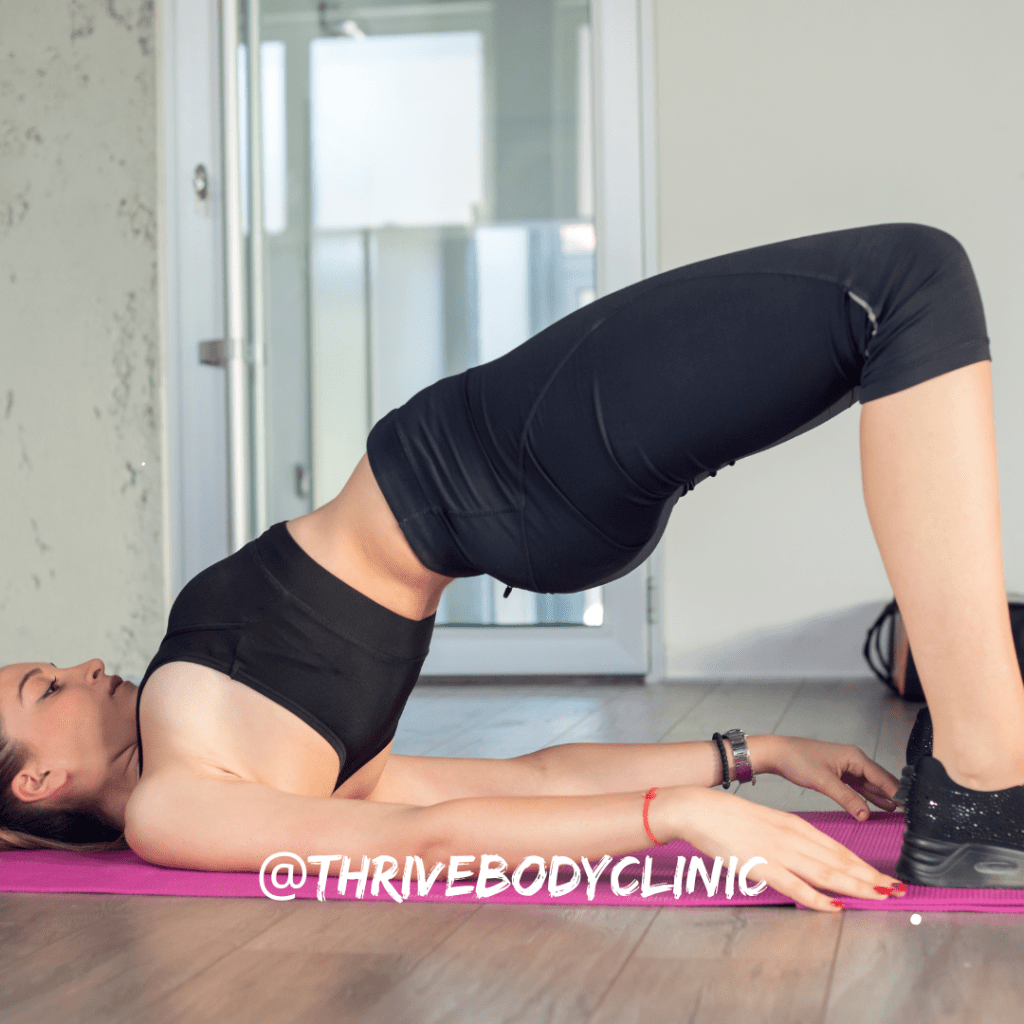
- Core Strengthening and Rehabilitation Exercises A key component of addressing posterior pelvic tilt is strengthening the core and pelvic stabilizing muscles. Osteopaths often prescribe exercises to activate and strengthen the deep abdominal muscles, hip flexors, and glutes. Corrective exercises play a crucial role in maintaining a healthy pelvic alignment and improving overall posture.
- Postural Education An osteopath will educate you on proper posture and ergonomic practices to help prevent further misalignment. Whether it’s adjusting your sitting position, learning to lift safely, or engaging in specific stretches, small lifestyle changes can have a significant impact on your pelvic and spinal health.
- Holistic Approach Osteopathy takes into consideration the whole body, not just the site of pain or dysfunction. By treating the body as a unit, osteopaths ensure that imbalances are addressed comprehensively, improving overall physical well-being and reducing the risk of recurring issues.
Lifestyle Changes to Support Pelvic Health
While osteopathy provides hands-on support and guidance, incorporating lifestyle adjustments can further promote recovery and prevent future problems. Here are a few tips:
- Stay Active: Regular physical activity helps maintain muscle balance and joint mobility. Activities like walking, swimming, or yoga can be beneficial for pelvic health.
- Take Breaks from Sitting: If you have a desk job, make a habit of standing up, stretching, or taking short walks every hour.
- Strengthen Core Muscles: Engaging in core-strengthening exercises can improve pelvic alignment and reduce the risk of pain.
- Practice Good Posture: Be mindful of your posture when sitting or standing. Keeping your feet flat on the floor and your back supported can help maintain a neutral pelvis.
Conclusion Posterior pelvic tilt may seem like a simple misalignment, but it can have a significant impact on your daily life and overall well-being. At Thrive Body Clinic, we are committed to helping you find relief through a personalized, holistic approach. If you suspect that your pelvic tilt is affecting your comfort or mobility, don’t hesitate to seek professional support. Together, we can work towards a healthier, more balanced body.
 Thrive Body Clinic Osteopathy & Sports Massage
Leave a comment