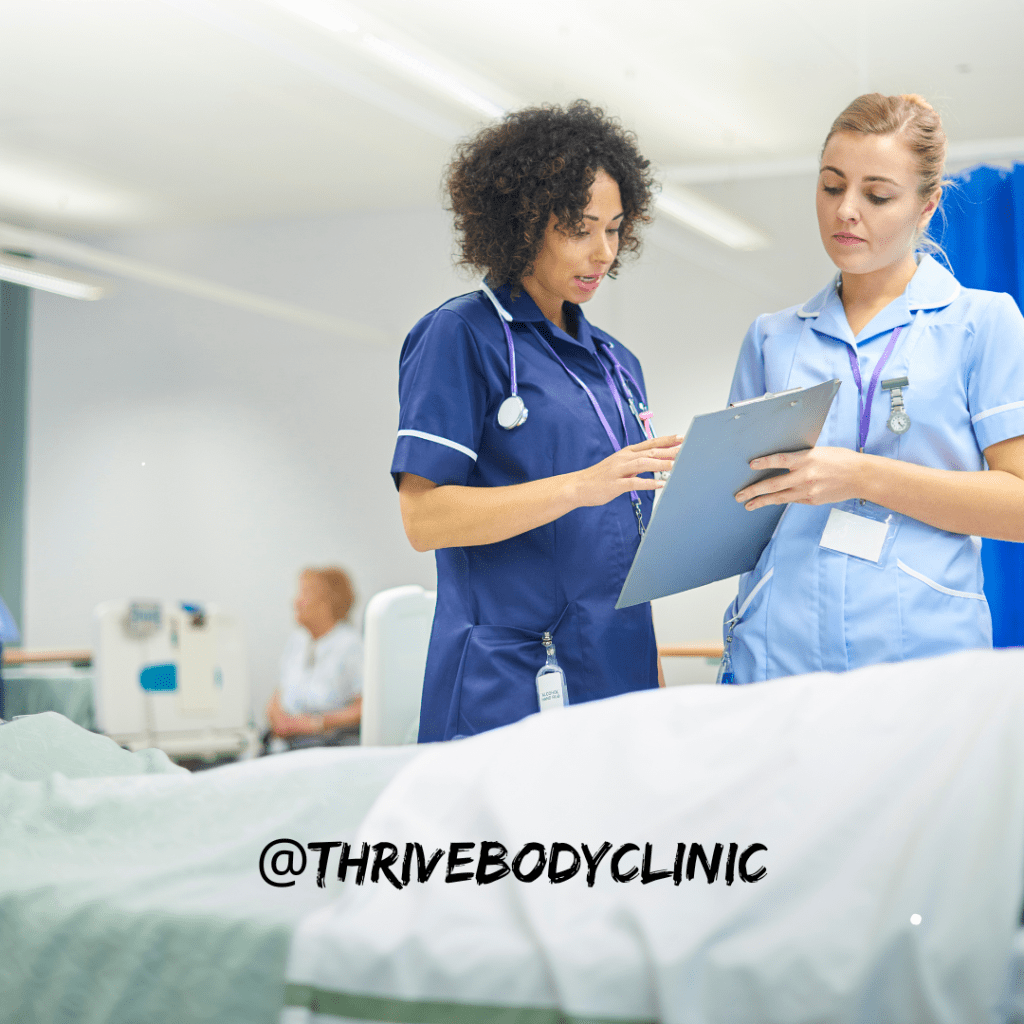
Healthcare workers, including NHS staff and carers, are the backbone of our healthcare system. They work tirelessly to care for others, often at the expense of their own physical and mental well-being. The demanding nature of these roles can take a toll on their bodies, leading to issues like muscle strain, joint pain, and burnout. At Thrive Body Clinic, we understand these challenges and believe osteopathy can provide vital support to help healthcare workers maintain their health and continue their essential work.
The Physical Demands of Healthcare Work
Healthcare professionals, especially those in the NHS and caregiving roles, are frequently required to perform physically demanding tasks. Whether it’s lifting or transferring patients, standing for long hours during surgeries or rounds, or performing repetitive tasks like bending or reaching, their bodies are often under immense strain. Over time, these activities can lead to chronic pain, tension, and injury, particularly in the neck, shoulders, and back.
Lifting and Moving Patients
One of the most physically strenuous tasks for healthcare workers is the manual handling of patients. Even with assistive equipment, the repeated actions of lifting, turning, or supporting patients can lead to muscle strain and joint problems. This strain is especially felt in the lower back, shoulders, and hips, as these are the areas most engaged during lifting motions.
Long Hours on Their Feet
NHS staff and carers frequently spend long hours on their feet, often walking miles during a single shift. This can contribute to foot, ankle, knee, and lower back pain. Standing for extended periods also increases the risk of developing varicose veins and other circulatory issues.
Stress and Its Physical Impact
In addition to the physical demands, healthcare workers often deal with high levels of emotional and psychological stress. The pressure to provide excellent care, manage time effectively, and cope with emotionally taxing situations can lead to tension in the body, especially in the neck and shoulders. Stress also affects posture, causing muscle imbalances that can lead to discomfort and pain.
How Osteopathy Can Help
Osteopathy is a holistic approach to healthcare that focuses on the musculoskeletal system. It aims to alleviate pain, improve mobility, and enhance overall well-being by restoring balance to the body. For NHS staff and carers, osteopathy offers several key benefits.
Relieving Muscular Tension and Pain
One of the most common complaints among healthcare workers is tension and pain in the neck, shoulders, and back. Osteopathic treatments, such as soft tissue manipulation and stretching techniques, can help reduce this tension. By releasing tight muscles and improving circulation, osteopathy can relieve pain and restore flexibility, making it easier for healthcare workers to perform their daily tasks without discomfort.
For those suffering from chronic lower back pain due to lifting or standing, osteopathic manipulation can be particularly effective. Techniques such as spinal adjustments and mobilization can help realign the spine, reducing pressure on nerves and improving posture. This not only alleviates pain but also helps prevent future injury by promoting better movement patterns.
Addressing Joint Strain and Improving Mobility
The repetitive movements and awkward postures often required in healthcare work can lead to joint strain, particularly in the shoulders, hips, and knees. Osteopathy can help by improving joint mobility and reducing inflammation. Techniques such as joint articulation and muscle energy techniques are used to gently stretch and mobilize joints, increasing their range of motion and reducing pain.
For example, a carer who frequently lifts patients may develop shoulder stiffness and discomfort. Osteopathy can address this by loosening the tight muscles around the shoulder joint, improving movement, and reducing the risk of injury.
Supporting Posture and Body Alignment
Posture plays a significant role in the overall health and well-being of healthcare workers. Poor posture, often caused by long hours of standing or sitting, can lead to musculoskeletal imbalances that cause pain and discomfort. Osteopaths are trained to assess and correct posture, helping to restore balance to the body.
At Thrive Body Clinic, we emphasize the importance of body alignment for healthcare workers. By realigning the spine and correcting postural issues, osteopathic treatment can prevent the development of chronic pain and improve overall physical function.
Stress Management and Relaxation
The physical strain of healthcare work is often compounded by emotional stress. This stress can manifest physically as tension in the neck, shoulders, and upper back, as well as headaches and fatigue. Osteopathy offers more than just physical relief; it can also help manage the physical symptoms of stress.
Osteopathic treatments promote relaxation by improving circulation and reducing muscle tension. Additionally, the hands-on nature of osteopathy has a calming effect on the nervous system, helping to reduce feelings of anxiety and stress. This can be particularly beneficial for healthcare workers who experience burnout or emotional fatigue.
Preventing Burnout and Maintaining Health
While osteopathic treatment can alleviate existing pain and discomfort, prevention is key to maintaining long-term health. At Thrive Body Clinic, we believe that healthcare workers should prioritize self-care to avoid injury and burnout. Here are a few ways to prevent these issues:
Regular Osteopathic Check-Ups
Just as patients benefit from regular check-ups, healthcare workers should consider routine osteopathic sessions to address any developing issues before they become serious. Preventative care can help manage the physical strain of their jobs and keep their bodies in optimal condition.
Stretching and Strengthening Exercises
Incorporating simple stretching and strengthening exercises into a daily routine can help healthcare workers protect their muscles and joints. Stretching helps maintain flexibility, while strengthening exercises support the muscles that are most commonly strained during work, such as the core, shoulders, and lower back.
Thrive Body Clinic can recommend specific exercises tailored to the demands of healthcare work, helping to build resilience and reduce the risk of injury.
Ergonomic Advice
Ensuring that healthcare workers have access to ergonomic tools and equipment is essential for preventing injury. This might involve proper patient lifting techniques, using assistive devices when available, or adjusting workstations to support better posture.
Conclusion
NHS staff and carers perform vital work, often at the cost of their own physical well-being. Osteopathy offers a holistic approach to support these healthcare heroes by addressing the physical strain of their work, relieving pain, and promoting better overall health. At Thrive Body Clinic, we are committed to helping healthcare workers maintain their health and continue their essential roles without pain or injury.
If you’re a healthcare worker looking to take care of your own body, we invite you to visit Thrive Body Clinic for a personalised osteopathic treatment plan that suits your needs. Let us help you stay strong, healthy, and ready to care for others.
 Thrive Body Clinic Osteopathy & Sports Massage
Leave a comment