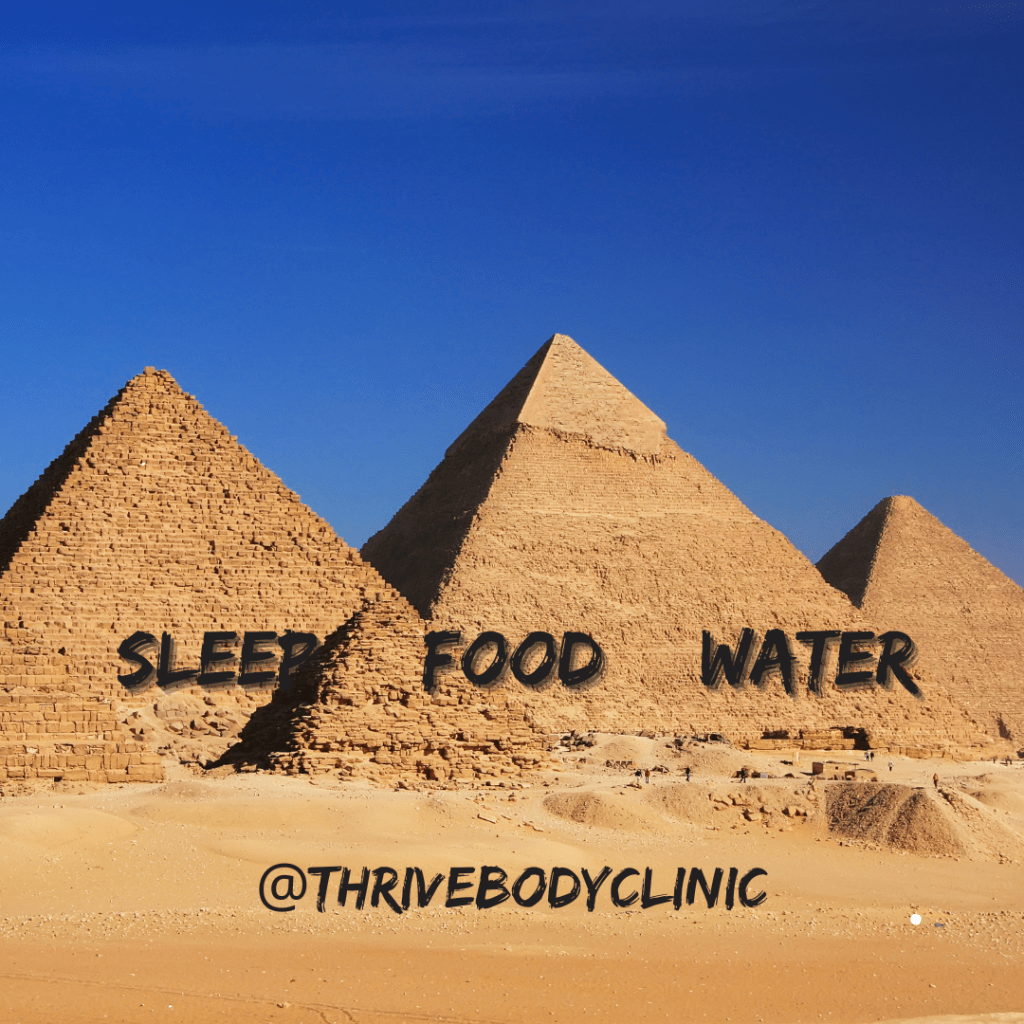
At Thrive Body Clinic, we believe that health is more than just being free of pain—it’s about building a foundation for lifelong well-being. While exercise and regular osteopathic care are essential, there are three core fundamentals that everyone should prioritize: getting enough sleep, eating a healthy diet, and staying hydrated. In this post, we’ll explore these pillars of health, why they’re crucial, and practical ways to incorporate them into your daily life.
1. Getting Enough Sleep
Why Sleep Is Crucial for Your Health
Sleep is often overlooked in today’s fast-paced world, but it is one of the most vital aspects of maintaining good health. A good night’s sleep affects everything from your physical well-being to your mental state. Sleep gives your body time to heal, repair, and recover from daily stressors, and it plays a pivotal role in brain function and mood regulation. Studies have shown that insufficient sleep can lead to various health problems, including weakened immune function, obesity, heart disease, and poor cognitive performance.
Without enough sleep, you may feel irritable, find it hard to focus, and have lower energy throughout the day. Long-term sleep deprivation can even increase the risk of chronic conditions such as diabetes, hypertension, and depression.
Practical Tips for Better Sleep
If you find it hard to get the recommended 7-9 hours of sleep per night, you’re not alone. Many people struggle with achieving quality rest due to stress, busy schedules, or lifestyle habits. Here are a few tips to help improve your sleep:
- Stick to a schedule: Try to go to bed and wake up at the same time every day, even on weekends. Consistency helps regulate your body’s natural sleep-wake cycle.
- Create a bedtime routine: Engage in relaxing activities before bed, such as reading, stretching, or deep breathing exercises. Avoid screens for at least 30 minutes before bed, as the blue light from phones, tablets, and TVs can interfere with sleep quality.
- Limit caffeine and alcohol: Both substances can disrupt sleep patterns. Try to avoid consuming caffeine in the afternoon and keep alcohol consumption moderate.
When you prioritize sleep, you set yourself up for success in every other area of your health.
2. Eating a Healthy Diet
Why Nutrition Matters
What you put into your body has a significant impact on your health and energy levels. A healthy diet doesn’t mean following strict restrictions or depriving yourself of the foods you love, but rather making informed choices about what nourishes your body. Eating a variety of foods from all food groups—fruits, vegetables, proteins, whole grains, and healthy fats—ensures your body gets the nutrients it needs for optimal functioning.
A balanced diet supports your immune system, helps maintain a healthy weight, provides the energy required for physical activity, and even plays a role in emotional health. Conversely, diets high in processed foods, sugars, and unhealthy fats contribute to inflammation, weight gain, and a higher risk of chronic diseases such as heart disease and diabetes.
Building a Balanced Plate
Eating well doesn’t have to be complicated. Here are some straightforward strategies for maintaining a balanced diet:
- Choose whole, minimally processed foods: Focus on whole grains like brown rice, quinoa, and oats, as well as lean proteins such as chicken, fish, tofu, and legumes. Incorporate a variety of fruits and vegetables for vitamins, minerals, and fiber.
- Portion control: Be mindful of portion sizes. Eating too much of even healthy foods can lead to weight gain and digestive discomfort.
- Eat the rainbow: A colourful plate is often a healthy one. Different-coloured fruits and vegetables contain diverse nutrients that benefit different parts of your body. For example, leafy greens are rich in iron and calcium, while red and orange vegetables provide beta-carotene for healthy skin and eyes.
- Stay mindful of snacking: Opt for nutrient-dense snacks like nuts, seeds, or Greek yogurt instead of chips, cookies, or sugary snacks.
Remember, balance is key. Occasional indulgences are perfectly fine as long as the foundation of your diet is healthy, whole foods.
3. Staying Hydrated
Why Hydration Is Essential
Water is often called the “elixir of life,” and for good reason. Every cell, tissue, and organ in your body depends on water to function correctly. Staying hydrated helps maintain your body temperature, flush out toxins, and support digestion, among other vital functions. Even mild dehydration can lead to fatigue, headaches, dizziness, and difficulty concentrating. In the long term, chronic dehydration can contribute to kidney stones, urinary tract infections, and impaired cognitive function.
Many people underestimate the amount of water their body needs daily, especially if they are physically active or live in warmer climates. While the classic recommendation is to drink eight 8-ounce glasses of water a day, individual needs can vary depending on factors such as body weight, activity level, and environment.
Tips for Staying Hydrated
Drinking enough water every day doesn’t have to be a chore. Here are some tips to ensure you stay well-hydrated:
- Start your day with water: Before you grab your coffee or tea in the morning, drink a glass of water to kickstart your hydration for the day.
- Carry a water bottle: Keeping a reusable water bottle with you ensures that you have access to water wherever you go. It’s easier to remember to sip water throughout the day when it’s right in front of you.
- Eat water-rich foods: Fruits and vegetables like cucumbers, watermelon, oranges, and strawberries have high water content and contribute to your overall hydration.
- Infuse your water: If plain water feels too boring, try infusing it with fresh fruit, herbs, or a splash of lemon or lime for added flavour without the extra calories or sugars found in juices or sodas.
Conclusion
The three fundamentals of good health—getting enough sleep, eating a healthy diet, and staying hydrated—are the foundation upon which more specific health practices, like exercise and regular osteopathic care, are built. Without these essentials, even the best fitness routines and treatments won’t be as effective.
At Thrive Body Clinic, we encourage our clients to adopt these habits as part of their overall wellness routine. Good health is a lifelong journey, and starting with these basics will help you thrive both physically and mentally. Whether you’re looking to alleviate pain, improve your energy, or enhance your overall well-being, these pillars of health are the building blocks for a better, healthier life.
Ready to take the next step in your health journey? Contact us today to schedule an osteopathic consultation and learn how we can support you in feeling your best.
 Thrive Body Clinic Osteopathy & Sports Massage
Leave a comment