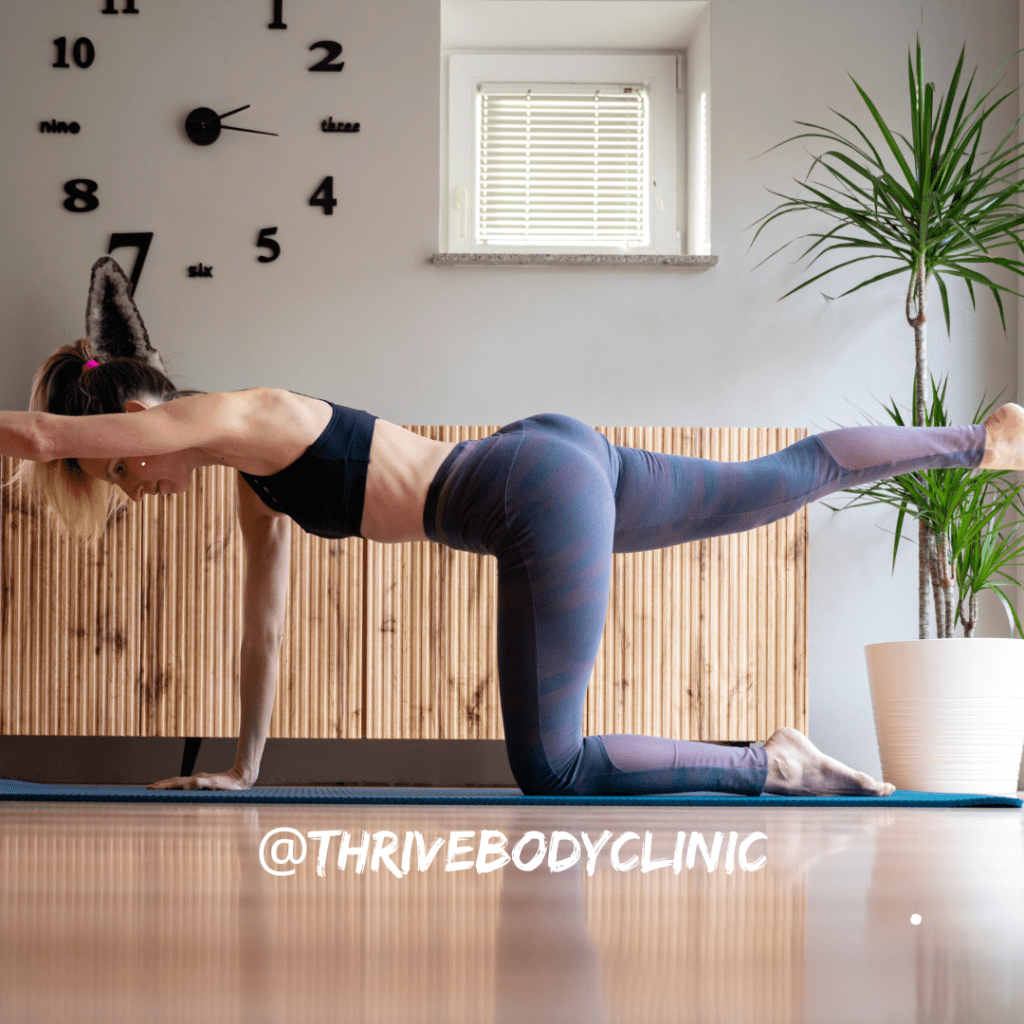
When it comes to managing back pain and building core stability, few names are as respected as Dr. Stuart McGill. With over 30 years of research in back pain and biomechanics, Dr. McGill has been a beacon for those seeking science-backed solutions to strengthen their core and alleviate discomfort. His research has led to the development of the “Big 3” core stability exercises: the bird dog, the side plank, and the modified curl-up. In this post, we’ll dive into the science behind these exercises, provide step-by-step instructions on how to perform them correctly, and explore how they can transform your fitness journey.
Why Core Stability Matters
Core stability is more than just having a six-pack or strong abs. It involves the coordinated effort of muscles in the abdomen, lower back, hips, and pelvis, working together to support and stabilize the spine. A strong and stable core helps maintain good posture, supports daily movements, and reduces the risk of injury, particularly in the lower back.
Poor core stability can lead to imbalances, compensatory movements, and, ultimately, pain or injury. This is why core exercises should be a crucial part of any fitness regimen, whether you’re an athlete or someone simply looking to stay active and pain-free.
The Science Behind the McGill Big 3
Dr. McGill’s research has shown that the traditional approach to core training, like endless sit-ups or crunches, can actually do more harm than good, particularly for those with back pain. These movements often place excessive stress on the lumbar spine, which can exacerbate existing problems.
Instead, the McGill Big 3 focuses on core stability rather than movement, meaning the exercises aim to engage the core muscles without causing repetitive flexion of the spine. This approach minimizes strain on the back while still providing the stability and strength needed to protect the spine and enhance performance in other activities.
The McGill Big 3 Exercises
1. The Bird Dog
The bird dog is an excellent exercise for improving stability, balance, and coordination, targeting the erector spinae muscles, glutes, and core.
How to Perform the Bird Dog:
- Starting Position: Begin on all fours, with your hands directly under your shoulders and your knees under your hips. Your spine should be in a neutral position.
- Engage Your Core: Before moving, brace your core by drawing your belly button slightly towards your spine without arching or rounding your back.
- Extend Opposite Arm and Leg: Slowly extend your right arm straight ahead and your left leg straight behind you, keeping your back flat and your hips level. Avoid arching your lower back or letting your pelvis rotate.
- Hold and Return: Hold this position for 5-10 seconds, then slowly return to the starting position. Repeat with the opposite arm and leg.
- Repetitions: Perform 8-10 repetitions on each side, focusing on smooth, controlled movements.
Common Mistakes:
- Allowing the lower back to arch or sag.
- Rotating the hips instead of keeping them level.
- Moving too quickly and losing balance.
Tips:
- Keep your gaze down to maintain a neutral neck position.
- Think of reaching out with your fingers and toes rather than lifting your limbs.
2. The Side Plank
The side plank is a powerful exercise for strengthening the obliques and the quadratus lumborum, which are key stabilizers of the spine.
How to Perform the Side Plank:
- Starting Position: Lie on your side with your elbow directly under your shoulder and your legs stacked on top of each other. Your body should form a straight line from your head to your feet.
- Engage Your Core: Brace your core and lift your hips off the ground so that your body forms a straight line from your head to your heels.
- Hold: Hold this position for 10-20 seconds, maintaining a straight line without letting your hips drop.
- Switch Sides: Lower your hips back down and repeat on the other side.
Progression:
- If this position is too challenging, you can modify it by bending your knees and lifting your hips with your legs bent at a 90-degree angle.
Common Mistakes:
- Letting the hips sag or rotate.
- Placing the supporting elbow too far from the body.
- Holding the position with tense shoulders.
Tips:
- Focus on keeping your shoulder in line with your elbow to avoid shoulder strain.
- Think of lifting your hips towards the ceiling rather than just holding them up.
3. The Modified Curl-Up
The modified curl-up is designed to activate the abdominal muscles without putting undue stress on the lumbar spine, making it ideal for those with back pain.
How to Perform the Modified Curl-Up:
- Starting Position: Lie on your back with one leg bent at the knee and the other leg straight. Place your hands under your lower back to maintain its natural arch.
- Engage Your Core: Slightly lift your head, shoulders, and upper back off the floor, keeping your chin tucked and your eyes looking at the ceiling.
- Hold: Hold this position for 5-10 seconds, then slowly lower yourself back down.
- Repetitions: Perform 8-10 repetitions, maintaining control throughout the movement.
Common Mistakes:
- Pulling the head forward with the hands, which strains the neck.
- Lifting too high, causing the lower back to flatten against the floor.
- Rushing the movement, which can lead to poor form.
Tips:
- Keep your hands under your lower back to support its natural curve.
- Focus on engaging your core muscles, not your neck or shoulders.
How the McGill Big 3 Can Transform Your Fitness Journey
Incorporating the McGill Big 3 into your routine can offer numerous benefits:
- Improved Core Stability: These exercises target the deep core muscles responsible for stabilizing your spine, helping you maintain good posture and prevent injuries.
- Reduced Back Pain: By avoiding traditional exercises that may aggravate the spine, the McGill Big 3 provides a safer way to build strength and resilience.
- Enhanced Athletic Performance: A stable core is the foundation for efficient movement, making you more effective in everything from lifting weights to playing sports.
- Better Functionality in Daily Activities: Whether you’re lifting groceries or bending to pick something up, a strong core will help you perform daily tasks with ease and confidence.
Final Thoughts
The McGill Big 3 is more than just a set of exercises—it’s a comprehensive approach to building a strong, stable core. At Thrive Body Clinic, we’re committed to helping you achieve your health and fitness goals safely and effectively. If you’re struggling with back pain or looking to improve your core stability, incorporating these exercises into your routine is a great place to start. And remember, as with any exercise program, it’s important to perform these movements with proper form and technique. If you have any questions or need guidance, don’t hesitate to reach out to us at Thrive Body Clinic.
Stay strong and stay healthy!
 Thrive Body Clinic Osteopathy & Sports Massage
Leave a comment