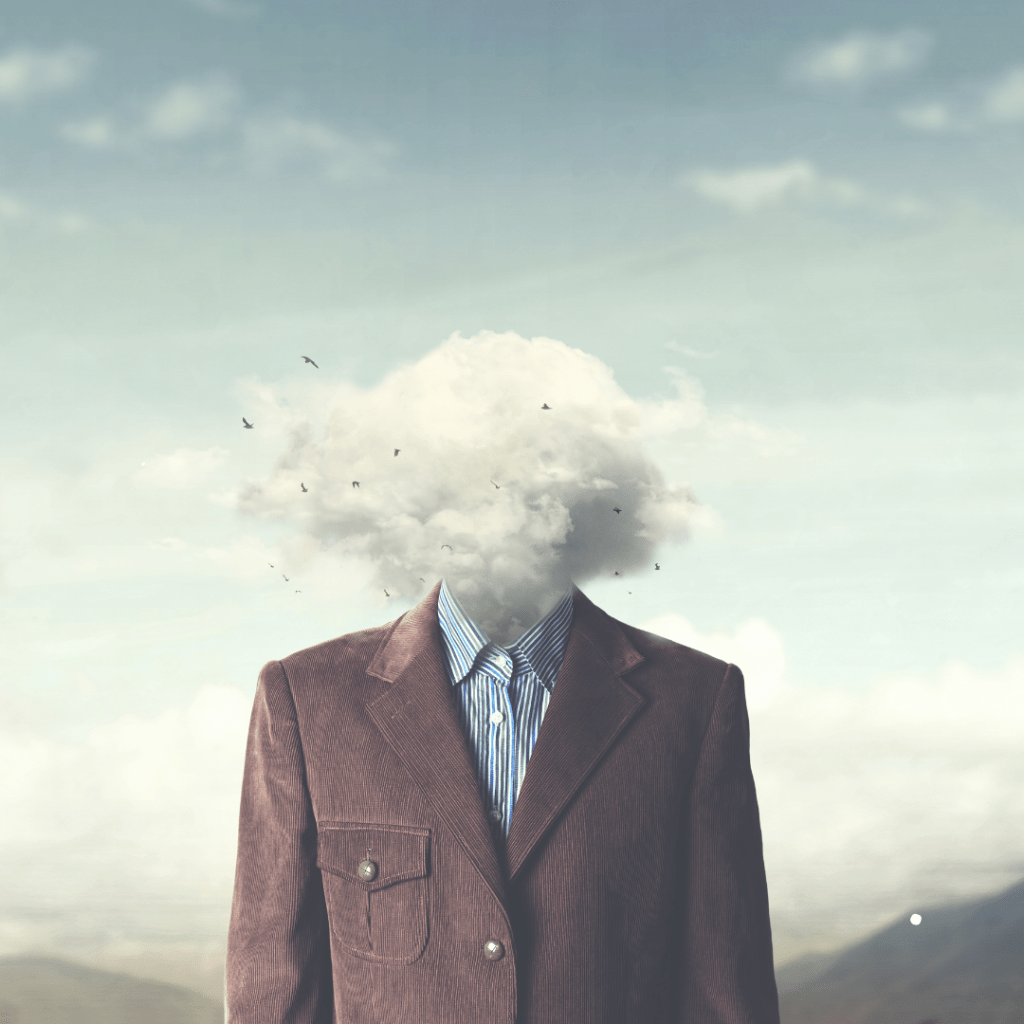
Stress—it’s a word we hear often, but do we really know how much of it we carry with us every day? Many of us are quick to dismiss it. “I’m not stressed!” we say. Yet, our bodies might be telling a different story. Often, we fail to realize how stress can subtly hide in our muscles, joints, and even our nervous system.
In this blog post, we’ll dive into the less obvious ways stress can manifest in your body, what it feels like, how it impacts your health, and most importantly, how you can reduce it for a healthier, more balanced life.
How Stress Hides in Your Body
Stress is sneaky. It doesn’t just affect your mind; it hides in your body, sometimes in places you least expect. When you’re stressed, your body enters a fight-or-flight mode, preparing itself to face a threat. While this is a natural response, problems arise when stress becomes chronic. Your body stays in that heightened state, and the effects often build up over time.
Here are some ways stress hides in your body:
1. Tension in Muscles
The neck, shoulders, and back are prime areas where stress takes refuge. Muscle tension is one of the most common physical manifestations of stress, as your body instinctively tightens up to shield itself from perceived threats. The muscles along the spine, especially in the neck and lower back, can become stiff and rigid. This can result in headaches, reduced mobility, or persistent back pain.
2. Jaw Clenching
Ever woken up with a sore jaw or realized you’ve been grinding your teeth? Bruxism (teeth grinding) and jaw clenching are often unconscious reactions to stress. Over time, this can lead to temporomandibular joint (TMJ) issues, headaches, and even damage to your teeth.
3. Digestive Issues
The gut-brain connection is powerful. When you’re stressed, it’s common to experience symptoms like bloating, indigestion, or even IBS (Irritable Bowel Syndrome). The digestive system slows down under stress, making it harder for your body to break down food effectively.
4. Shallow Breathing
When we’re stressed, our breathing patterns change. Instead of deep, relaxed breaths, we tend to take shallow, rapid breaths, which can limit oxygen intake and make us feel even more anxious or exhausted. Over time, shallow breathing can lead to chronic tension in the chest and diaphragm, contributing to feelings of breathlessness or chest pain.
What Does Stress Feel Like?
Everyone experiences stress differently, and sometimes it doesn’t feel like stress at all. You might not feel “stressed” in the traditional sense of the word, but your body may still be experiencing it. So, how do you know if you’re carrying stress?
Here are some physical and emotional signs:
1. Muscle Aches and Pain
Muscle tightness, especially around the neck, shoulders, and back, is a common sign that you’re holding on to stress. Chronic stress can also lead to more serious conditions like tension headaches, migraines, and even nerve pain, like sciatica.
2. Fatigue
Stress can leave you feeling drained even if you’re getting enough sleep. The constant strain on your nervous system wears you out physically and mentally.
3. Anxiety and Irritability
Emotional symptoms of stress can include feeling on edge, easily frustrated, or overwhelmed by minor tasks. Even if you’re normally calm, stress can make you more reactive or emotional.
4. Sleep Disruptions
Difficulty falling asleep, staying asleep, or waking up feeling unrested are all signs of stress. Chronic stress can interfere with your body’s natural sleep-wake cycle, making it hard to achieve restorative sleep.
How Stress Impacts Your Health
It’s important to understand that stress, especially chronic stress, has serious long-term effects on your health. It’s not just a passing state of mind—when your body is under stress for long periods, it can contribute to a wide range of health problems.
1. Weakened Immune System
Prolonged stress lowers your immune system’s ability to fight off infections, leaving you more vulnerable to illnesses like colds, flus, and even more serious health conditions. Stress-related hormones, like cortisol, suppress the immune response over time.
2. Heart Problems
Stress raises your blood pressure and increases the risk of heart disease. Chronic stress can also lead to inflammation in your arteries, contributing to plaque buildup and a higher chance of heart attacks or strokes.
3. Chronic Pain
Stress and pain are closely linked. Muscle tension from stress can result in chronic pain conditions, like tension headaches, neck and back pain, and even fibromyalgia.
4. Mental Health Disorders
Prolonged stress is a major contributing factor to mental health issues such as anxiety, depression, and burnout. Left unchecked, it can lead to more serious psychological conditions that affect your daily life.
What Can You Do to Reduce Stress and Improve Your Health?
Now that we’ve identified how stress can hide in your body and what it feels like, let’s talk about ways to reduce stress and improve your health. At Thrive Body Clinic, we understand that managing stress is essential for your overall well-being. Here are some tips to help you relieve stress and restore balance to your body.
1. Osteopathy
Osteopathic treatments focus on the alignment of your body to reduce tension and improve overall function. When your body is properly aligned, muscles, ligaments, and joints are able to move more freely, relieving physical stress. Regular osteopathy sessions can help release tight muscles, improve circulation, and restore balance to your nervous system. Our approach at Thrive Body Clinic helps your body relax, heal, and better manage future stressors.
2. Breathing Exercises
Breathing is one of the most effective ways to calm your nervous system and reduce stress. Practice deep, diaphragmatic breathing to engage your parasympathetic nervous system, which counteracts the fight-or-flight response. Try spending a few minutes each day focusing on slow, deep breaths.
3. Exercise and Movement
Moving your body is crucial to relieving built-up tension. Activities like yoga, walking, swimming, or gentle stretching can all help you release physical stress from your muscles and improve your mental well-being. Exercise triggers the release of endorphins, your body’s natural stress relievers.
4. Mindfulness and Meditation
Taking time to slow down and be present in the moment can greatly reduce your stress levels. Meditation and mindfulness exercises, such as body scans or guided visualizations, help you tune into your body, release tension, and promote relaxation.
5. Healthy Lifestyle Choices
Sleep, hydration, and a balanced diet are foundational to managing stress. Prioritize getting enough sleep, drinking plenty of water, and eating nutrient-dense foods to support your body in times of stress.
At Thrive Body Clinic, we believe that stress management is a critical part of maintaining overall health. Whether you’re experiencing physical pain, emotional tension, or simply need a break from life’s demands, our clinic offers a holistic approach to help you live a more balanced and stress-free life.


Leave a Reply