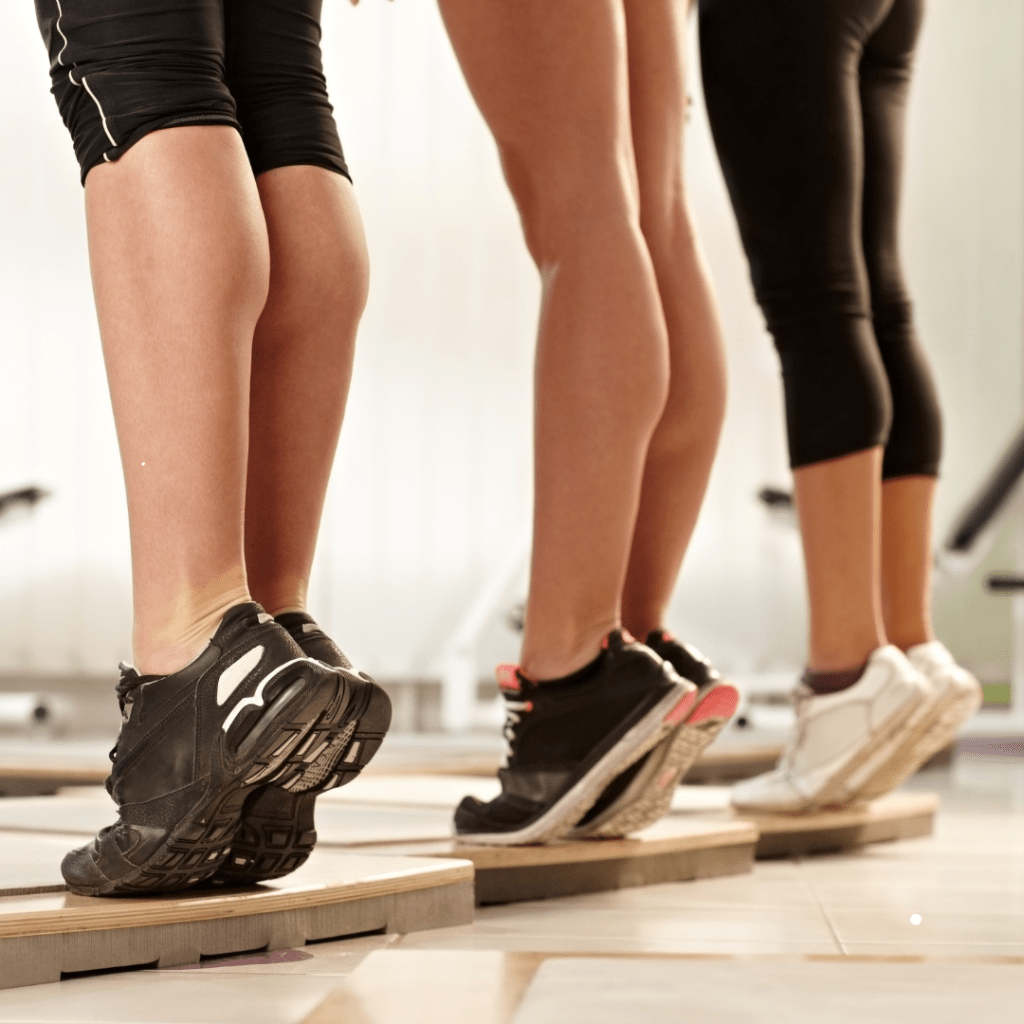
At Thrive Body Clinic, we understand the vital role that your body’s muscles play in maintaining overall health and well-being. Among these muscles, the calves are often overlooked, despite being essential to various daily activities and overall physical health. In this blog, we’ll dive deep into why strong and flexible calves are crucial for your health and how they can improve your quality of life.
Understanding the Calves
The calf muscles are located at the back of your lower legs and consist of two primary muscles: the gastrocnemius and the soleus. These muscles work together to support various functions, including walking, running, and standing on your toes. The gastrocnemius is the larger of the two muscles and forms the bulk of your calf, while the soleus lies underneath it and is crucial for maintaining posture and stability.
The Role of Strong Calves in Daily Activities
1. Improved Mobility and Performance
Strong calves are integral to your ability to move efficiently. Whether you’re walking, running, or jumping, your calf muscles are constantly at work, providing the power needed to propel you forward. If your calves are weak, you may find that your mobility is compromised, leading to fatigue, slower movement, and a higher risk of injury. By strengthening your calves, you can enhance your overall performance in physical activities, whether you’re an athlete or simply enjoy staying active.
2. Enhanced Balance and Stability
Your calves play a critical role in maintaining balance and stability. They help stabilize your ankles, which in turn supports your overall balance. This is especially important when you’re navigating uneven surfaces, such as walking on a trail or climbing stairs. Strong calves reduce the likelihood of falls and injuries by providing the necessary support to your lower legs and feet.
3. Injury Prevention
Weak calves can contribute to various injuries, particularly in the lower body. Conditions like Achilles tendonitis, shin splints, and plantar fasciitis are often linked to inadequate calf strength. These injuries can be debilitating and may require extensive recovery time. By strengthening your calves, you can reduce the risk of these injuries and ensure that your lower legs are better equipped to handle the stresses of daily activities and exercise.
The Benefits of Flexible Calves
While strength is important, flexibility is equally crucial for the health of your calves. Flexible calf muscles allow for a greater range of motion, which is essential for various activities and overall joint health.
1. Increased Range of Motion
Flexible calves allow your ankles and feet to move through a full range of motion, which is essential for activities like walking, running, and jumping. Without adequate flexibility, your movements can become restricted, leading to compensatory patterns that may cause pain or injury. Stretching your calves regularly can help maintain their flexibility, allowing for smooth and efficient movement.
2. Reduced Muscle Tension and Soreness
Tight calf muscles are a common issue that can lead to discomfort and pain, particularly after exercise or prolonged periods of standing. This tension can also contribute to other problems, such as knee pain or lower back issues, as the body compensates for the tightness in the calves. Regular stretching and flexibility exercises can help alleviate this tension, reducing muscle soreness and preventing associated pain.
3. Improved Circulation
Flexible calves promote better circulation in your lower legs. Tight muscles can impede blood flow, leading to issues like swelling, varicose veins, or even deep vein thrombosis in severe cases. By maintaining flexibility in your calves, you can help ensure that blood flows freely through your lower legs, supporting overall cardiovascular health.
How to Strengthen and Stretch Your Calves
At Thrive Body Clinic, we encourage our patients to incorporate calf exercises and stretches into their regular fitness routine. Here are some effective ways to strengthen and stretch your calves:
Calf Strengthening Exercises
- Calf Raises:
- Stand with your feet hip-width apart and slowly lift your heels off the ground, rising onto the balls of your feet.
- Hold for a few seconds at the top, then slowly lower your heels back to the ground.
- Repeat for 10-15 repetitions. This exercise can be made more challenging by holding weights or using a step to increase the range of motion.
- Seated Calf Raises:
- Sit on a chair with your feet flat on the floor.
- Place a weight (like a dumbbell) on your knees, and then lift your heels off the ground.
- Hold for a moment, then lower your heels back down.
- Repeat for 10-15 repetitions. This exercise focuses on the soleus muscle and can help build endurance.
- Jump Rope:
- Jumping rope is a great way to build calf strength while also improving cardiovascular fitness.
- Start with short intervals and gradually increase the duration as your calves become stronger.
Calf Stretching Exercises
- Standing Calf Stretch:
- Stand facing a wall with your hands placed on the wall at shoulder height.
- Step one foot back, keeping the heel on the ground and the leg straight.
- Bend your front knee and lean into the stretch, feeling the stretch in the back calf.
- Hold for 20-30 seconds, then switch sides.
- Seated Calf Stretch:
- Sit on the floor with your legs extended straight in front of you.
- Loop a towel or resistance band around the ball of one foot.
- Gently pull the towel or band towards you, flexing your foot to feel a stretch in your calf.
- Hold for 20-30 seconds, then switch sides.
- Downward Dog Pose:
- This yoga pose is excellent for stretching the entire back of your legs, including your calves.
- Start on your hands and knees, then lift your hips towards the ceiling, straightening your legs.
- Press your heels towards the ground, feeling the stretch in your calves.
Conclusion
At Thrive Body Clinic, we believe in the importance of a holistic approach to health, which includes caring for every part of your body. Strong and flexible calves are not just about aesthetics—they are essential for maintaining mobility, preventing injuries, and supporting overall health. By incorporating calf strengthening and stretching exercises into your routine, you can improve your physical performance, reduce the risk of injuries, and enjoy a higher quality of life.
If you’re unsure where to start or need personalized guidance, Thrive Body Clinic is here to help. Don’t hesitate to reach out to us and take the first step towards healthier, stronger, and more flexible calves. Your body will thank you!
 Thrive Body Clinic Osteopathy & Sports Massage
Leave a comment