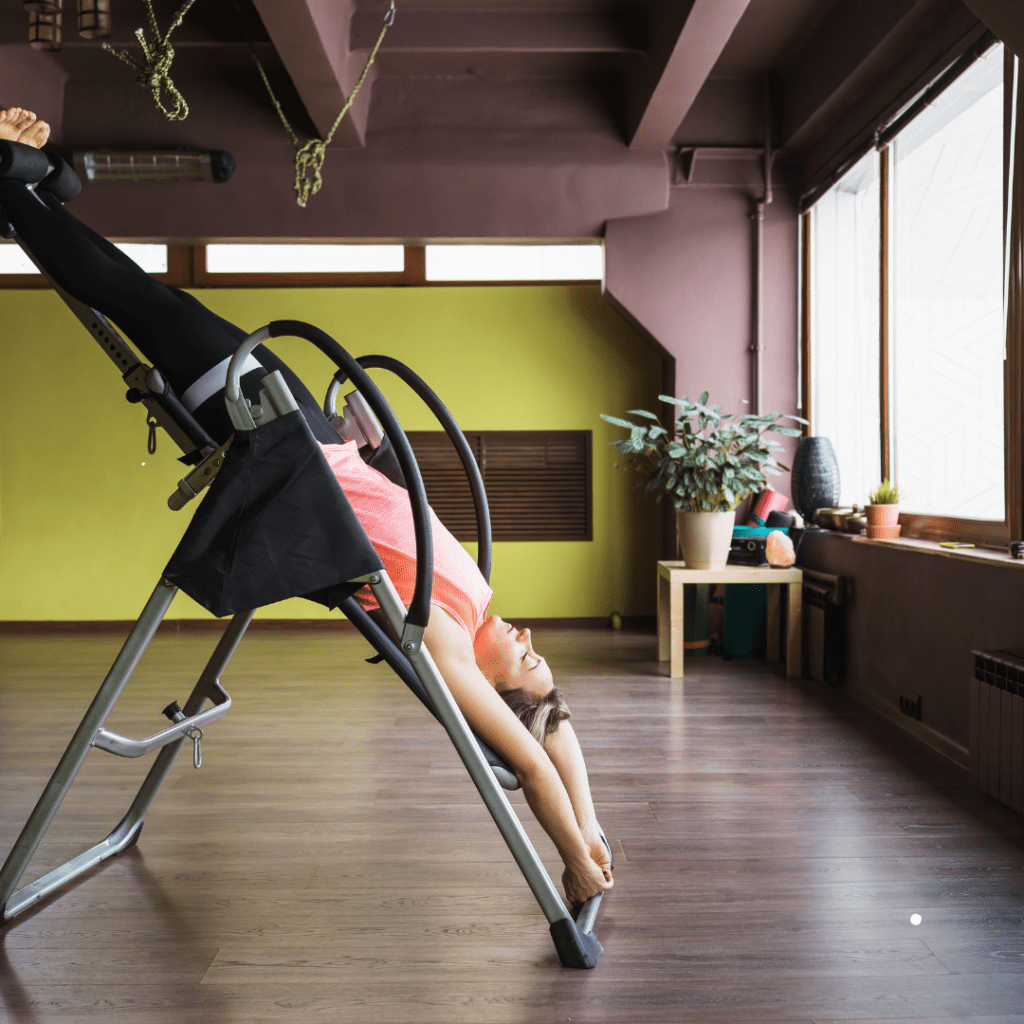
Lower back pain is a common issue that affects millions of people. Whether it’s caused by poor posture, prolonged sitting, or physical exertion, the discomfort can be a significant hindrance to daily life. One of the most effective methods for relieving this pain is traction, a technique that gently stretches the spine, alleviating pressure on the discs and nerves. At Thrive Body Clinic, we believe in empowering our clients with easy and practical solutions to manage their back pain. In this blog post, we’ll explore three simple ways to traction your lower back at home: hanging, lying over a table or bed, and using an inversion table.
1. Hanging: A Simple and Effective Method
Hanging is one of the easiest and most cost-effective ways to traction your lower back. All you need is a sturdy bar or something you can hang from. This method uses your body weight to create a natural stretch in your spine, decompressing the vertebrae and relieving pressure on the lower back.
How to Perform Hanging Traction:
- Find a Suitable Bar: Look for a pull-up bar, monkey bars, or any secure horizontal bar that can support your body weight.
- Grip the Bar: Stand beneath the bar and grab it with both hands, palms facing forward or toward you, whichever is more comfortable.
- Hang Relaxed: Let your body hang freely. You don’t need to pull yourself up; just let gravity do the work. Relax your back, shoulders, and neck.
- Breathe Deeply: Hold the hanging position for 30 seconds to 1 minute, breathing deeply and slowly. If you’re a beginner, you might start with shorter durations and gradually increase the time.
- Release Gently: When you’re ready to come down, gently lower your feet back to the ground. Avoid sudden movements to prevent straining your back.
Benefits of Hanging Traction:
- Spine Decompression: The traction force helps decompress the spine, which can reduce pain and improve mobility.
- Improved Posture: Regular hanging can help correct poor posture by aligning the spine and relieving tension in the back muscles.
- Enhanced Grip Strength: As an added bonus, hanging also strengthens your grip and forearm muscles.
Cautions: Hanging might not be suitable for everyone, especially those with shoulder injuries or limited upper body strength. Always consult with a healthcare professional before trying this technique if you have any concerns.
2. Lying Over a Table or Bed: A Gentle Approach
If hanging is too intense or not feasible, lying over a table or bed is a gentler alternative for lower back traction. This method allows for a gradual stretch in the lower back without the need for special equipment.
How to Perform Lying Over a Table/Bed Traction:
- Choose the Right Surface: Use a sturdy table, countertop, or the edge of a bed. The surface should be firm and level, with enough space to comfortably lie down.
- Position Yourself: Lie face down on the table or bed, so that your hips and abdomen are on the edge, with your legs dangling freely off the side.
- Relax Your Muscles: Let your lower body hang loosely, allowing the weight of your legs to create a gentle pull on your lower back.
- Breathe and Hold: Stay in this position for 1 to 3 minutes, breathing deeply. Feel the stretch in your lower back as your spine lengthens and decompresses.
- Return Slowly: When you’re done, carefully push yourself back onto the table or bed and rise slowly to avoid straining your back.
Benefits of Lying Over a Table/Bed Traction:
- Gentle Decompression: This method provides a mild traction force, making it ideal for those who prefer a less intense stretch.
- Ease of Use: It requires no special equipment, just a sturdy surface, making it accessible for most people.
- Flexibility: You can adjust the intensity by varying how much of your body is off the edge.
Cautions: Ensure that the surface you’re using is stable and can support your weight. Avoid this technique if you experience dizziness or discomfort while lying face down.
3. Inversion Table: The Premium Solution
For those willing to invest in their lower back health, an inversion table offers a more controlled and adjustable traction experience. Inversion tables allow you to safely hang upside down, using gravity to provide a more pronounced spinal decompression.
How to Use an Inversion Table for Traction:
- Set Up the Inversion Table: Follow the manufacturer’s instructions to ensure the table is set up correctly and securely.
- Adjust the Height: Set the height adjustment based on your height to ensure the table tilts at the correct angle.
- Secure Your Ankles: Position your feet in the ankle holders and secure them snugly. The ankle straps should be tight enough to hold you securely but not so tight that they cause discomfort.
- Start the Inversion: Slowly lean back to invert the table. Start with a slight angle (about 30 degrees) and gradually increase it as you become more comfortable.
- Hold the Position: Remain inverted for 1 to 5 minutes, depending on your comfort level. Focus on breathing deeply and relaxing your back muscles.
- Return Slowly: When you’re ready to finish, return the table to the upright position slowly to avoid dizziness.
Benefits of Inversion Table Traction:
- Customizable Intensity: You can adjust the inversion angle to control the amount of traction, making it suitable for varying levels of back pain.
- Comprehensive Stretch: Inversion tables not only decompress the lower back but also stretch the entire spine, improving overall flexibility.
- Relaxation: Many people find inversion therapy to be relaxing and stress-relieving, thanks to the gentle, controlled stretch it provides.
Cautions: Inversion therapy is not suitable for everyone, particularly those with high blood pressure, heart conditions, or glaucoma. It’s important to consult with a healthcare provider before starting this therapy to ensure it’s safe for you.
Conclusion
Traction is a powerful technique for relieving lower back pain, and it doesn’t have to be complicated or expensive. Whether you choose to hang from a bar, lie over a table or bed, or invest in an inversion table, each method offers unique benefits for spinal health. At Thrive Body Clinic, we recommend trying these techniques in a safe and controlled environment, always listening to your body’s signals. If you’re unsure which method is right for you, we’re here to guide you through the best practices for your individual needs. Remember, your journey to a healthier back starts with simple, consistent actions!
 Thrive Body Clinic Osteopathy & Sports Massage
Leave a comment