At Thrive Body Clinic, our mission is to support your health and well-being through personalised and effective osteopathic care. One condition that can cause significant discomfort and impact daily activities is De Quervain’s syndrome. This condition, which affects the tendons in the wrist, can be particularly debilitating, especially for those who rely heavily on their hands for work or daily tasks. In this blog post, we will explore what De Quervain’s syndrome is, its common causes and symptoms, treatment options, and how osteopathy can play a crucial role in managing and relieving this condition.
What is De Quervain’s Syndrome?
De Quervain’s syndrome, also known as De Quervain’s tenosynovitis or radial styloid tenosynovitis, is a condition characterized by inflammation of the tendons that control movement of the thumb. These tendons, the abductor pollicis longus (APL) and the extensor pollicis brevis (EPB), run through a narrow tunnel or sheath on the thumb side of the wrist. When these tendons become inflamed, they can cause pain, swelling, and difficulty moving the thumb and wrist.
This condition is often associated with repetitive hand or wrist movements, making it a common issue for individuals engaged in activities that involve gripping, pinching, or wringing actions. It can also develop in new mothers due to the repetitive lifting and carrying of a baby.
Common Causes of De Quervain’s Syndrome
Understanding the causes of De Quervain’s syndrome is essential for both prevention and treatment. The condition is typically the result of overuse or strain on the tendons in the wrist, but several factors can contribute to its development:
- Repetitive Motion: The most common cause of De Quervain’s syndrome is repetitive hand and wrist movements. Activities such as typing, texting, knitting, playing musical instruments, and even certain sports can strain the tendons, leading to inflammation. Occupations that require frequent use of the hands, like manual labour or computer work, are particularly at risk.
- Overuse or Strain: Overusing the thumb or wrist, especially in a way that involves repetitive or forceful pinching, can cause De Quervain’s syndrome. This is often seen in new parents who frequently lift their babies or in individuals who engage in activities that require a strong grip.
- Injury: A direct injury to the wrist or thumb, such as a sprain or fracture, can lead to inflammation of the tendons and the development of De Quervain’s syndrome. Even minor injuries, if repeated over time, can contribute to this condition.
- Inflammatory Conditions: Certain inflammatory conditions, such as rheumatoid arthritis, can increase the risk of developing De Quervain’s syndrome. These conditions cause inflammation in the joints and tendons, which can extend to the wrist.
- Hormonal Changes: Hormonal changes during pregnancy and postpartum can contribute to the development of De Quervain’s syndrome. The increased fluid retention and changes in the body’s connective tissues during these periods can make the tendons more susceptible to inflammation.
- Age and Gender: De Quervain’s syndrome is more common in individuals aged 30 to 50, and it tends to affect women more than men. The condition is particularly prevalent in postpartum women, likely due to the combination of hormonal changes and the repetitive motion involved in caring for an infant.
Symptoms of De Quervain’s Syndrome
The symptoms of De Quervain’s syndrome can vary in intensity, but they typically involve pain and difficulty using the thumb and wrist. Common symptoms include:
- Pain: The primary symptom of De Quervain’s syndrome is pain on the thumb side of the wrist. This pain can develop gradually or come on suddenly, and it often worsens with movement. The pain may extend up the forearm or down into the thumb and can be particularly intense when grasping or pinching.
- Swelling: Swelling on the thumb side of the wrist is another common symptom. The swollen area may be tender to the touch and can make it difficult to move the thumb or wrist.
- Difficulty Moving the Thumb: Individuals with De Quervain’s syndrome often experience difficulty moving their thumb, particularly when trying to grasp objects or make a fist. This stiffness can limit the range of motion and interfere with daily activities.
- A “Sticking” Sensation: Some people with De Quervain’s syndrome report a “sticking” or “snapping” sensation when moving their thumb. This occurs when the inflamed tendons move through the narrow sheath, causing friction.
- Weakness: As the condition progresses, it can lead to weakness in the hand and wrist, making it challenging to perform tasks that require fine motor skills or grip strength.
- Numbness or Tingling: In some cases, De Quervain’s syndrome can cause numbness or tingling in the thumb and index finger, although this is less common.
Treatment Options for De Quervain’s Syndrome
The goal of treatment for De Quervain’s syndrome is to reduce inflammation, relieve pain, and restore normal function to the thumb and wrist. Treatment options vary depending on the severity of the condition but commonly include:
- Rest and Activity Modification: One of the most important steps in managing De Quervain’s syndrome is to rest the affected hand and wrist. This may involve avoiding activities that aggravate the condition or making adjustments to how you perform certain tasks.
- Ice Therapy: Applying ice to the affected area can help reduce swelling and numb the pain. Ice therapy is particularly effective in the early stages of the condition.
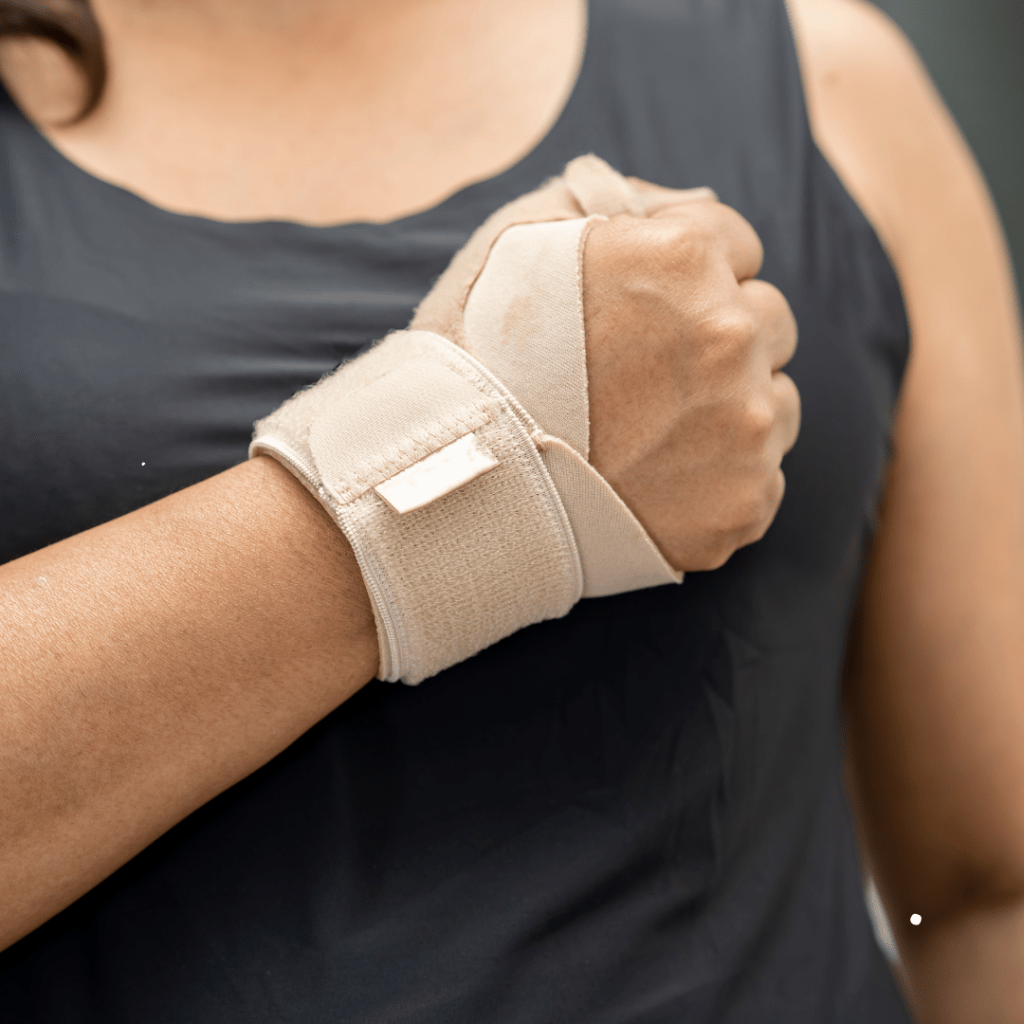
- Splinting: Wearing a splint or brace can help immobilize the thumb and wrist, giving the tendons time to heal. Splinting is often recommended for several weeks, especially at night or during activities that exacerbate symptoms.
- Non-Steroidal Anti-Inflammatory Drugs (NSAIDs): Over-the-counter NSAIDs, such as ibuprofen, can help reduce pain and inflammation. In some cases, a healthcare provider may prescribe stronger anti-inflammatory medications or recommend corticosteroid injections to reduce inflammation in the tendons.
- Physical Therapy: Physical therapy exercises can help improve flexibility and strength in the thumb and wrist, reducing the strain on the tendons. A physical therapist can also teach you proper techniques to prevent further irritation of the tendons.
- Surgery: In severe or chronic cases of De Quervain’s syndrome that do not respond to conservative treatments, surgery may be necessary. The surgical procedure involves releasing the tight sheath around the tendons to reduce pressure and inflammation. Surgery is typically considered a last resort after other treatments have failed.
How Osteopathy Can Help with De Quervain’s Syndrome
Osteopathy is a holistic approach to healthcare that emphasizes the body’s ability to heal itself. At Thrive Body Clinic, we focus on treating the root cause of your symptoms, rather than just managing the pain. Here’s how osteopathy can help with De Quervain’s syndrome:
- Manual Therapy: Osteopathic manual therapy techniques, such as gentle manipulation, stretching, and soft tissue massage, can help relieve tension and reduce inflammation in the tendons. By improving circulation and promoting healing, these techniques can alleviate pain and restore normal function to the thumb and wrist.
- Joint Mobilization: If joint stiffness or misalignment is contributing to your symptoms, osteopathic joint mobilization techniques can help restore proper joint function. This can reduce strain on the tendons and prevent further irritation.
- Ergonomic and Postural Advice: An osteopath can assess your posture and the way you perform daily activities to identify any contributing factors to your condition. By providing advice on ergonomics and suggesting modifications to your work or daily routines, we can help prevent the recurrence of De Quervain’s syndrome.
- Exercise Prescription: Osteopaths can prescribe specific exercises to strengthen the muscles around the thumb and wrist, improving stability and reducing the likelihood of tendon irritation. These exercises are tailored to your individual needs and are designed to support your recovery and prevent future problems.
- Whole-Body Approach: Osteopathy considers the interconnectedness of the body. By addressing issues in other parts of the musculoskeletal system, such as the shoulder, neck, or upper back, osteopathic treatment can help reduce compensatory strain on the wrist and support overall healing.
Conclusion
De Quervain’s syndrome can be a painful and limiting condition, but with the right treatment and care, you can regain full function and return to your daily activities. At Thrive Body Clinic, our osteopathic approach is designed to address the underlying causes of your symptoms, promote healing, and prevent recurrence. If you’re experiencing pain in your thumb or wrist, or suspect you might have De Quervain’s syndrome, contact us today for a comprehensive assessment and personalized treatment plan. We’re here to help you thrive!
 Thrive Body Clinic Osteopathy & Sports Massage
Leave a comment