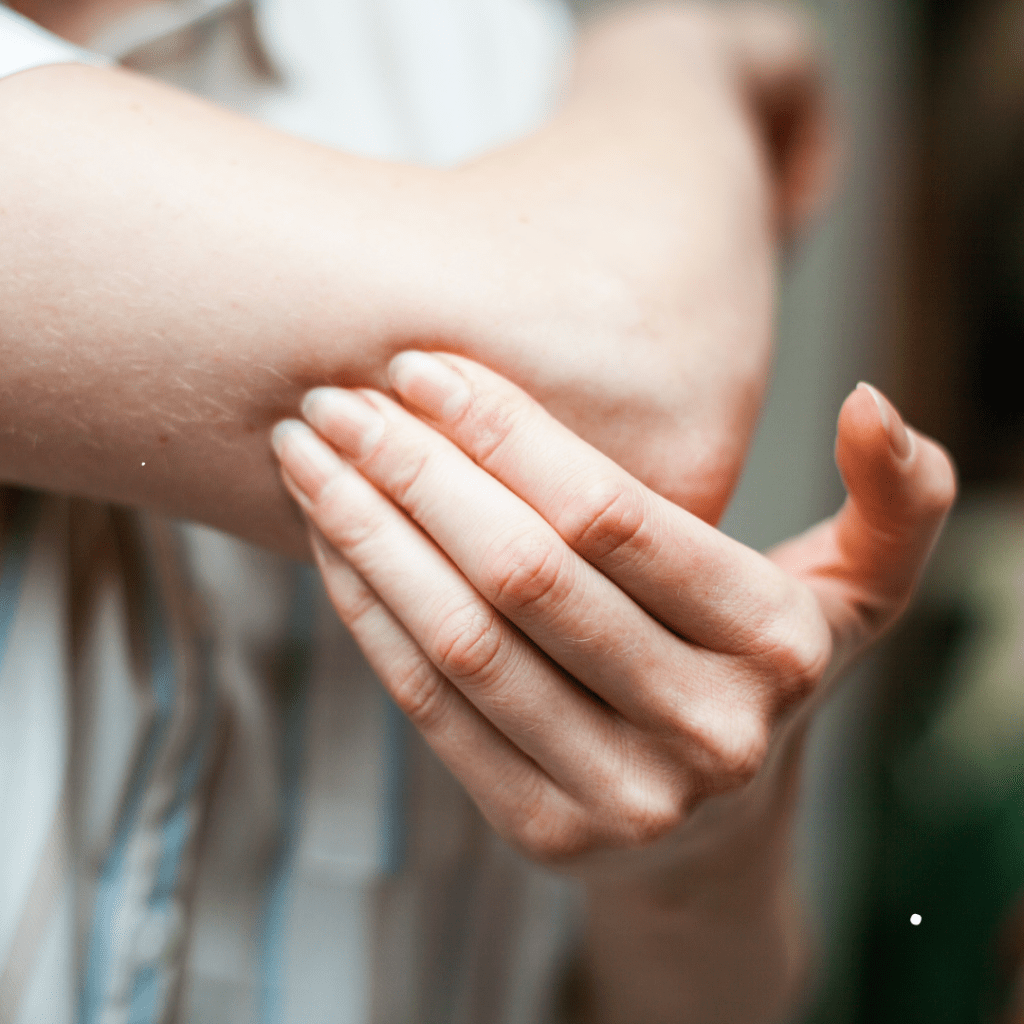
At Thrive Body Clinic, our goal is to support your journey to optimal health and wellness. One condition that we frequently encounter in our practice is olecranon bursitis. This condition can be painful and disruptive, but with the right care, including osteopathic treatment, recovery is within reach. In this blog post, we will explore what olecranon bursitis is, its common causes and symptoms, and how osteopathy can play a crucial role in its treatment and prevention.
What is Olecranon Bursitis?
Olecranon bursitis is a condition characterized by inflammation of the bursa located at the tip of the elbow. A bursa is a small, fluid-filled sac that acts as a cushion between bones and soft tissues, helping to reduce friction during movement. The olecranon bursa is situated just under the skin, covering the pointed bone of the elbow (olecranon). When this bursa becomes inflamed, it can cause significant pain, swelling, and limited movement.
Common Causes of Olecranon Bursitis
Olecranon bursitis can be triggered by various factors, and understanding these can help in both prevention and treatment. Some of the most common causes include:
- Trauma or Injury: A direct blow to the elbow, such as from a fall or impact during sports, can cause the bursa to become irritated and inflamed. Even a minor injury can result in bursitis, especially if the elbow is repeatedly affected.
- Repetitive Motion or Pressure: Continuous pressure on the elbow, often from leaning on hard surfaces, can lead to bursitis. This is particularly common in individuals who work in professions that require prolonged periods of resting the elbows on a hard surface, such as students, office workers, and manual labourers.
- Infection: If a cut or scrape near the elbow becomes infected, bacteria can spread to the bursa, causing septic bursitis. This form of bursitis is more serious and requires prompt medical treatment to prevent complications.
- Medical Conditions: Certain underlying health conditions, such as gout or rheumatoid arthritis, can increase the risk of developing bursitis. These conditions cause inflammation throughout the body, which can affect the bursae in various joints, including the elbow.
- Age and Degenerative Changes: As we age, the tissues around our joints can become less resilient, making them more susceptible to inflammation and injury. Degenerative changes in the joint or bone spurs can also contribute to the development of bursitis.
Symptoms of Olecranon Bursitis
The symptoms of olecranon bursitis can vary in severity, depending on the cause and extent of the inflammation. Common symptoms include:
- Swelling: One of the most noticeable signs of olecranon bursitis is swelling at the back of the elbow. The swelling can develop gradually or appear suddenly, and it may be tender to the touch.
- Pain: Pain is often present, especially when the elbow is moved or pressure is applied to the area. The pain can range from mild discomfort to sharp, intense pain.
- Redness and Warmth: In cases of infection (septic bursitis), the skin over the bursa may become red, warm, and tender. There may also be a fever, indicating the presence of an infection.
- Limited Range of Motion: Swelling and pain can lead to stiffness and difficulty moving the elbow, particularly in severe cases.
- Visible Lump: In some cases, a visible lump or mass may develop over the olecranon due to the accumulation of fluid in the bursa.
Treatment Options for Olecranon Bursitis
Treatment for olecranon bursitis typically focuses on reducing inflammation, relieving pain, and preventing further irritation. The approach can vary depending on the underlying cause, but common treatment options include:
- Rest and Activity Modification: One of the first steps in managing bursitis is to rest the affected elbow and avoid activities that exacerbate the condition. This may involve modifying work or daily activities to reduce pressure on the elbow.
- Ice Therapy: Applying ice to the affected area can help reduce swelling and numb the pain. Ice therapy is especially effective in the initial stages of bursitis.
- Compression and Elevation: Using an elastic bandage to compress the area and elevating the elbow can help minimize swelling. However, it’s important not to wrap the elbow too tightly, as this can restrict blood flow.
- Non-Steroidal Anti-Inflammatory Drugs (NSAIDs): Over-the-counter NSAIDs, such as ibuprofen, can help reduce pain and inflammation. In some cases, a healthcare provider may prescribe stronger anti-inflammatory medications.
- Aspiration: If the bursa is significantly swollen, a healthcare provider may perform aspiration to remove excess fluid. This procedure involves inserting a needle into the bursa to drain the fluid, which can relieve pressure and pain.
- Antibiotics: In cases of septic bursitis, antibiotics are necessary to treat the infection. The specific type of antibiotic will depend on the bacteria causing the infection.
- Surgery: In rare cases, surgical removal of the bursa may be necessary, particularly if bursitis is chronic or recurrent and does not respond to other treatments.
How Osteopathy Can Help with Olecranon Bursitis
Osteopathy is a holistic approach to healthcare that focuses on the body’s structure and function. At Thrive Body Clinic, we take a patient-centred approach, aiming to address not just the symptoms of a condition, but its root cause. Here’s how osteopathy can help with olecranon bursitis:
- Manual Therapy: Osteopathic manual therapy techniques, such as gentle joint mobilization and soft tissue manipulation, can help reduce inflammation, improve circulation, and alleviate pain. By enhancing the mobility of the elbow joint and surrounding tissues, osteopathy can promote faster healing and reduce the risk of recurrence.
- Posture and Ergonomic Advice: Osteopaths can provide valuable advice on posture and ergonomics to prevent further irritation of the bursa. For individuals whose bursitis is caused by repetitive strain or prolonged pressure on the elbow, making changes to how they work or perform daily activities can be crucial in preventing flare-ups.
- Exercise and Rehabilitation: Specific exercises prescribed by an osteopath can strengthen the muscles around the elbow, improve joint stability, and enhance overall function. A tailored rehabilitation program can also help restore range of motion and prevent stiffness during recovery.
- Whole-Body Approach: Osteopathy considers the interconnectedness of the body. By addressing issues in other parts of the musculoskeletal system, such as the neck, shoulder, or back, osteopathic treatment can help reduce compensatory strain on the elbow and support overall healing.
- Preventative Care: Beyond treatment, osteopathy can play a vital role in preventing the recurrence of bursitis. Regular osteopathic assessments and treatments can identify and address any underlying issues, such as muscle imbalances or joint dysfunction, that may predispose an individual to bursitis.
Conclusion
Olecranon bursitis can be a painful and limiting condition, but with the right treatment and care, recovery is possible. At Thrive Body Clinic, we are dedicated to helping our patients achieve optimal health and well-being. Through a combination of manual therapy, ergonomic advice, and personalized exercise programs, our osteopathic approach can effectively manage and prevent olecranon bursitis, allowing you to get back to the activities you love. If you’re experiencing elbow pain or suspect you might have bursitis, don’t hesitate to reach out to us for a comprehensive assessment and tailored treatment plan.
 Thrive Body Clinic Osteopathy & Sports Massage
Leave a comment