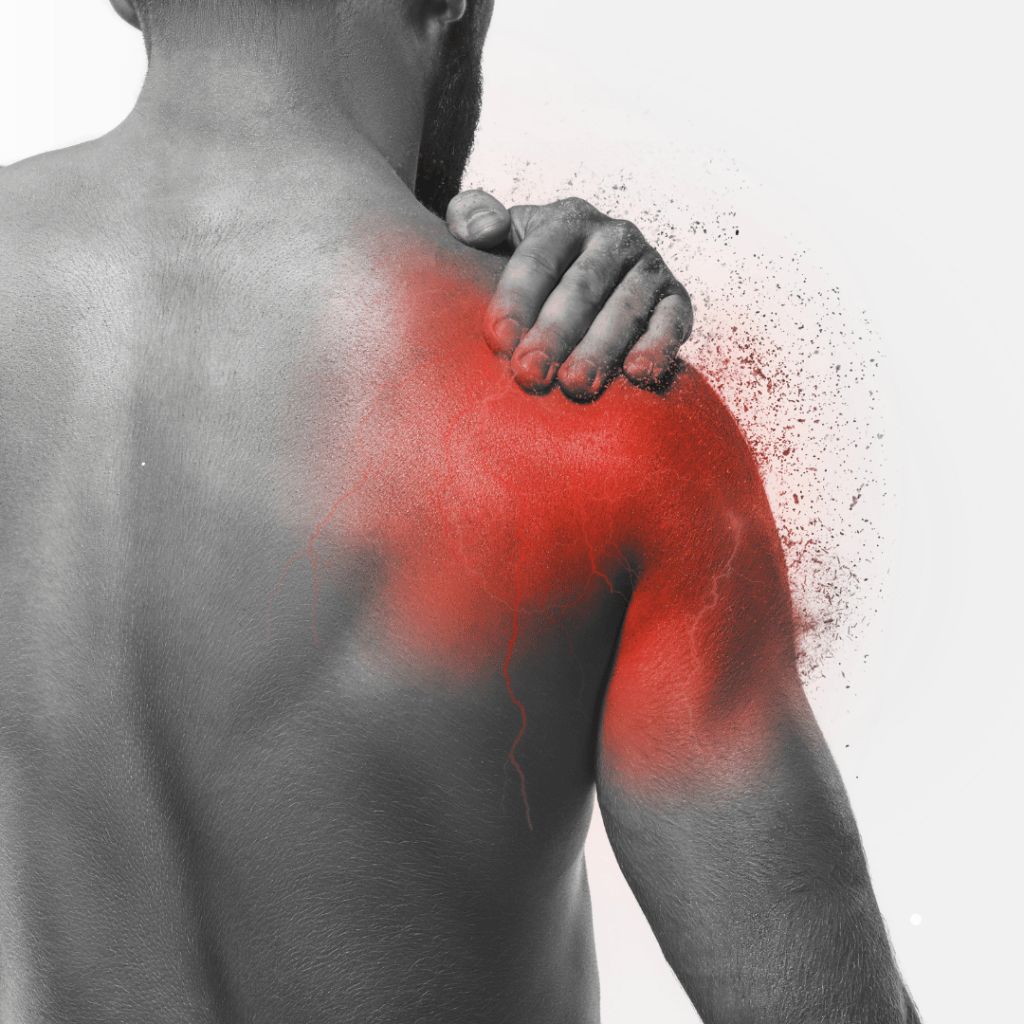
Shoulder pain can be a frustrating and limiting issue, affecting everything from daily tasks to your overall quality of life. One common cause of shoulder discomfort is acromion and humerus impingement, a condition that can lead to persistent pain, reduced mobility, and weakness in the shoulder joint. At Thrive Body Clinic, we are committed to helping you understand this condition and explore effective treatment options, including the holistic and hands-on approach provided by osteopathy.
What is Acromion and Humerus Impingement?
Acromion and humerus impingement, often referred to as shoulder impingement syndrome, occurs when the tendons of the rotator cuff become irritated or compressed as they pass through the subacromial space, the area between the acromion (the bony prominence on the top of the shoulder blade) and the head of the humerus (the upper arm bone). This impingement can cause inflammation, pain, and eventually lead to more serious conditions such as rotator cuff tears if left untreated.
The shoulder joint is a complex structure composed of bones, muscles, tendons, and ligaments, all working together to provide a wide range of motion. However, this complexity also makes the shoulder susceptible to various issues, including impingement. The acromion, which forms the highest point of the shoulder blade, plays a crucial role in shoulder movement. When the space between the acromion and the humerus narrows, it can cause the tendons of the rotator cuff to become compressed, leading to pain and dysfunction.
Common Causes of Acromion and Humerus Impingement
Several factors can contribute to the development of shoulder impingement. Some of the most common causes include:
- Repetitive Overhead Activities: Engaging in activities that require repetitive overhead motions, such as swimming, tennis, or painting, can increase the risk of developing impingement. These motions can lead to irritation and inflammation of the rotator cuff tendons, causing them to become trapped under the acromion.
- Poor Posture: Slouching or maintaining poor posture over time can alter the alignment of the shoulder joint, reducing the subacromial space and increasing the likelihood of impingement. Rounded shoulders, in particular, can exacerbate this condition.
- Age-Related Degeneration: As we age, the structures in our shoulders can begin to degenerate, leading to conditions such as arthritis or the formation of bone spurs on the acromion. These changes can narrow the subacromial space and contribute to impingement.
- Structural Abnormalities: Some individuals may be predisposed to shoulder impingement due to anatomical variations. For instance, a naturally hooked or curved acromion can decrease the space available for the rotator cuff tendons, making impingement more likely.
- Shoulder Injuries: Previous shoulder injuries, such as dislocations or fractures, can alter the structure and function of the shoulder joint, potentially leading to impingement.
Symptoms of Acromion and Humerus Impingement
The symptoms of shoulder impingement can vary in intensity but typically include:
- Pain: A sharp or aching pain on the front or side of the shoulder, especially when lifting the arm overhead or reaching behind the back.
- Weakness: Difficulty lifting or rotating the arm, often accompanied by a feeling of weakness in the shoulder.
- Reduced Range of Motion: Stiffness and a decreased ability to move the shoulder through its full range of motion.
- Night Pain: Discomfort that worsens at night, making it difficult to sleep on the affected side.
- Tenderness: Sensitivity or tenderness to touch around the shoulder joint.
These symptoms can develop gradually or suddenly, depending on the cause of the impingement. If left untreated, the condition can worsen over time, leading to chronic pain and potentially more serious shoulder problems.
Treatment Options for Acromion and Humerus Impingement
Addressing shoulder impingement early is crucial to preventing further damage and restoring normal function. Treatment typically involves a combination of approaches aimed at reducing inflammation, relieving pain, and restoring mobility. Some common treatment options include:
- Rest and Activity Modification: Reducing or avoiding activities that aggravate the shoulder, particularly overhead motions, can help to alleviate symptoms and prevent further irritation of the rotator cuff tendons.
- Ice and Heat Therapy: Applying ice to the affected area can help reduce inflammation and numb pain, while heat therapy can promote blood flow and relax tight muscles around the shoulder.
- Manual Therapy: A tailored physical therapy program can be highly effective in strengthening the muscles around the shoulder, improving posture, and increasing the range of motion. Exercises may focus on stretching tight structures, strengthening the rotator cuff, and correcting any biomechanical issues that may be contributing to the impingement.
- Anti-Inflammatory Medications: Nonsteroidal anti-inflammatory drugs (NSAIDs) may be recommended to help reduce pain and inflammation in the short term.
- Corticosteroid Injections: In some cases, corticosteroid injections may be used to reduce severe inflammation and provide temporary relief from pain.
- Surgery: If conservative treatments fail to relieve symptoms, surgery may be considered. Surgical options can include subacromial decompression, where the surgeon removes bone spurs or reshapes the acromion to increase the subacromial space and reduce impingement.
How Osteopathy Can Help with Acromion and Humerus Impingement
At Thrive Body Clinic, we take a holistic approach to treating shoulder impingement, focusing on not only relieving symptoms but also addressing the underlying causes of the condition. Osteopathy offers several benefits for individuals suffering from acromion and humerus impingement:
- Manual Therapy Techniques: Osteopathic practitioners use a range of hands-on techniques to manipulate and mobilize the shoulder joint, improve circulation, and reduce muscle tension. This can help to increase the subacromial space, allowing for better movement of the rotator cuff tendons.
- Postural Correction: Poor posture is a significant contributing factor to shoulder impingement. Osteopaths assess and correct postural imbalances, helping you maintain better shoulder alignment and reduce the risk of impingement.
- Soft Tissue Therapy: Techniques such as myofascial release and deep tissue massage can alleviate tension in the muscles and fascia surrounding the shoulder, improving mobility and reducing pain.
- Rehabilitation Exercises: An osteopath can prescribe specific exercises tailored to your condition, aimed at strengthening the rotator cuff and other supportive muscles, enhancing stability, and preventing future impingement.
- Holistic Assessment: Osteopathy considers the body as a whole. Your osteopath will assess not only the shoulder but also other areas that may be contributing to your pain, such as the spine, neck, and upper back. This comprehensive approach ensures that all contributing factors are addressed.
Conclusion
Acromion and humerus impingement can be a painful and limiting condition, but with the right treatment and care, it is possible to regain full shoulder function and live pain-free. At Thrive Body Clinic, we are dedicated to helping you achieve optimal health and well-being through the practice of osteopathy. Whether you are dealing with shoulder impingement or another musculoskeletal issue, our tailored, hands-on approach can provide the relief you need and help you get back to the activities you love.


Leave a Reply