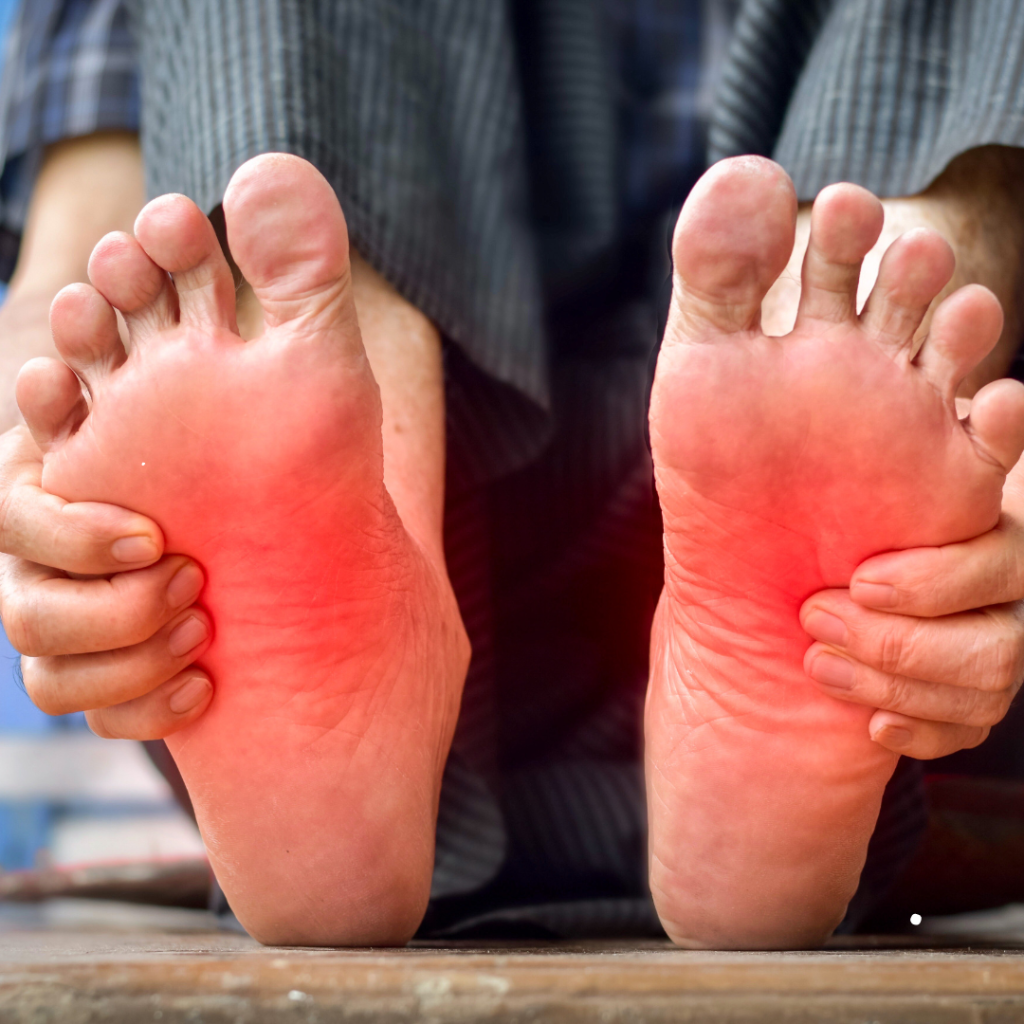
Welcome to Thrive Body Clinic, where we prioritise your health and well-being. In this post, we delve into peripheral neuropathy—a condition that affects millions of people worldwide. We’ll explore its causes, symptoms, treatment options, and, importantly, how osteopathy can play a crucial role in managing this condition.
What is Peripheral Neuropathy?
Peripheral neuropathy refers to the damage or dysfunction of the peripheral nerves, which are responsible for transmitting signals between the central nervous system (the brain and spinal cord) and the rest of the body. These nerves play a vital role in sensation, muscle movement, and autonomic functions like blood pressure regulation. When they are damaged, it can lead to a variety of symptoms that affect quality of life.
Common Causes of Peripheral Neuropathy
- Diabetes: One of the most common causes, diabetic neuropathy occurs due to high blood sugar levels damaging the nerves over time.
- Infections: Certain infections like Lyme disease, HIV/AIDS, and shingles can cause nerve damage.
- Autoimmune Diseases: Conditions like rheumatoid arthritis, lupus, and Guillain-Barré syndrome can attack peripheral nerves.
- Trauma or Injury: Physical injury to the nerves, such as from accidents or surgery, can lead to neuropathy.
- Toxins and Chemicals: Exposure to toxins like heavy metals or chemotherapy drugs can damage nerves.
- Nutritional Deficiencies: Lack of essential nutrients like vitamin B12 can impair nerve function.
- Genetic Factors: Some people inherit conditions that cause neuropathy, such as Charcot-Marie-Tooth disease.
- Alcoholism: Chronic alcohol abuse can lead to nutritional deficiencies and toxic effects on the nerves.
Symptoms of Peripheral Neuropathy
The symptoms of peripheral neuropathy vary widely depending on the types of nerves affected—sensory, motor, or autonomic—and can range from mild to debilitating. Common symptoms include:
- Numbness or Tingling: Often described as a “pins and needles” sensation, usually starting in the hands and feet.
- Pain: This can range from sharp, stabbing pains to a burning sensation.
- Weakness: Muscle weakness or difficulty moving parts of the body.
- Sensitivity: Increased sensitivity to touch or temperature.
- Coordination Problems: Issues with balance and coordination.
- Autonomic Symptoms: These may include problems with blood pressure regulation, sweating, or digestive issues.
Conventional Treatments for Peripheral Neuropathy
The treatment for peripheral neuropathy depends on its underlying cause. Here are some conventional approaches:
- Medications: Pain relievers, anti-seizure medications, and antidepressants can help manage symptoms.
- Physical Therapy: Helps improve muscle strength, balance, and coordination.
- Surgery: In cases where nerve pressure is the issue, surgical intervention may be necessary.
- Lifestyle Changes: Managing conditions like diabetes, avoiding alcohol, and ensuring proper nutrition are essential.
- TENS (Transcutaneous Electrical Nerve Stimulation): A therapy that uses low-voltage electrical currents to relieve pain.
The Role of Osteopathy in Managing Peripheral Neuropathy
Osteopathy is a holistic approach to healthcare that emphasizes the body’s natural ability to heal itself. At Thrive Body Clinic, we believe that osteopathic treatments can be an invaluable part of a comprehensive plan to manage peripheral neuropathy. Here’s how:
- Improving Circulation: Osteopathic techniques, such as gentle manipulation and massage, can help improve blood flow. Enhanced circulation can aid in the healing process and alleviate symptoms like numbness and tingling.
- Reducing Pain and Inflammation: Through techniques like myofascial release and craniosacral therapy, osteopathy can help reduce the muscle tension and inflammation that often accompany neuropathy.
- Enhancing Nerve Function: By optimizing the alignment and function of the musculoskeletal system, osteopathy can relieve pressure on nerves and improve their function. This can be particularly beneficial for neuropathies caused by mechanical compression.
- Promoting Relaxation: Stress and anxiety can exacerbate neuropathy symptoms. Osteopathic treatments often include techniques aimed at reducing stress, promoting relaxation, and improving overall well-being.
- Customised Treatment Plans: At Thrive Body Clinic, we understand that each patient is unique. Our osteopathic practitioners develop personalized treatment plans tailored to your specific needs and the underlying cause of your neuropathy.
- Complementary Care: Osteopathy can complement other treatments you may be receiving, such as medication or physical therapy. Our holistic approach ensures that all aspects of your health are considered, enhancing the overall effectiveness of your treatment.
What to Expect from Osteopathic Treatment
Your first visit to Thrive Body Clinic will involve a comprehensive assessment of your medical history, symptoms, and lifestyle. Our osteopathic practitioner will perform a physical examination, focusing on the musculoskeletal system to identify areas of tension, misalignment, or other issues that may be contributing to your neuropathy.
Treatment sessions typically involve hands-on techniques designed to improve mobility, reduce pain, and enhance the body’s natural healing processes. These sessions are usually relaxing and can provide immediate relief, though a series of treatments may be necessary for optimal results.
Conclusion
Peripheral neuropathy can significantly impact your quality of life, but with the right approach, its symptoms can be effectively managed. At Thrive Body Clinic, we offer a holistic, patient-centred approach to treating neuropathy, with a focus on osteopathic principles. Our experienced practitioner is dedicated to helping you achieve better health and well-being.
If you or a loved one is suffering from peripheral neuropathy, we invite you to schedule a consultation at Thrive Body Clinic. Together, we can develop a personalized treatment plan that addresses your unique needs and helps you thrive.
Contact us today to learn more about how osteopathy can be a valuable part of your journey to better health. Let’s work together to restore your body’s natural balance and alleviate the symptoms of peripheral neuropathy.
 Thrive Body Clinic Osteopathy & Sports Massage
Leave a comment