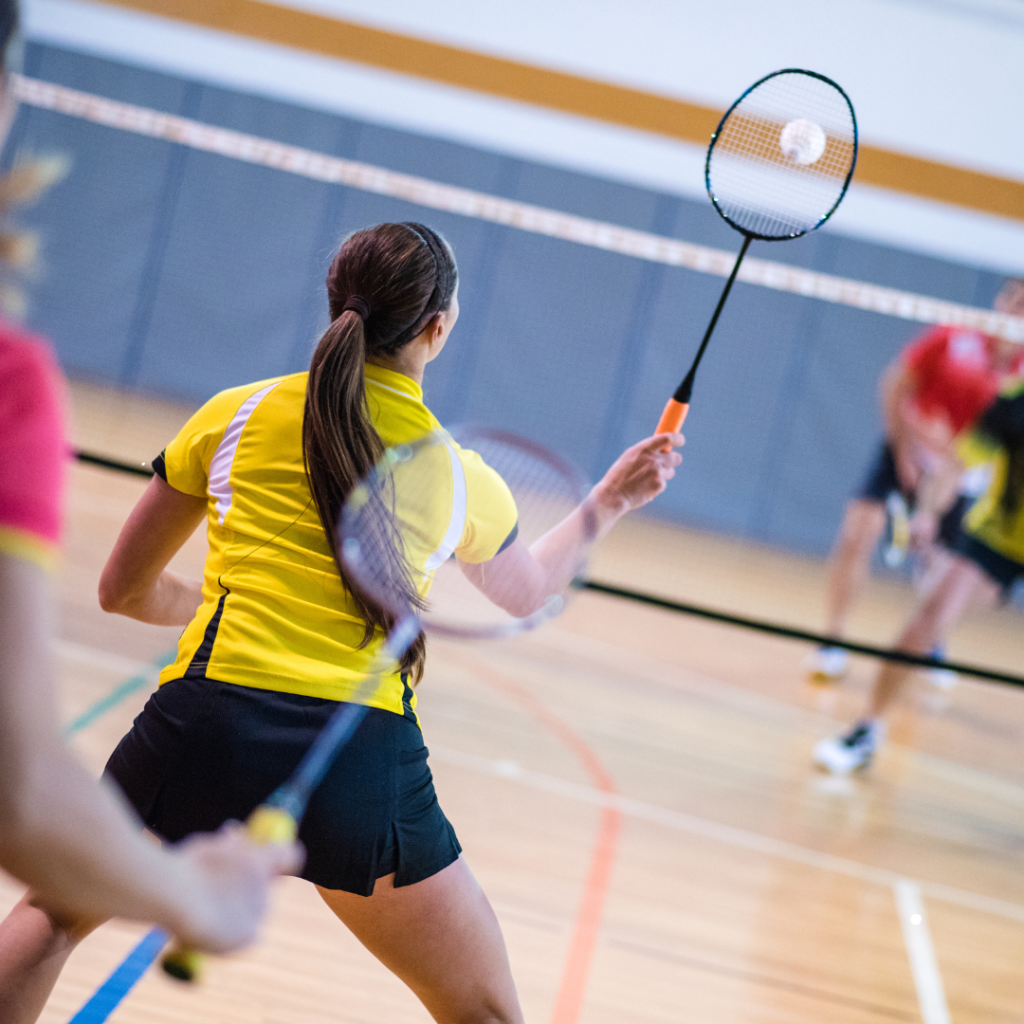
As we’re based next to the main sports hall in the Worthing Leisure Centre we often see badminton players of all levels in passing and in clinic. Badminton is a high-intensity sport that can lead to various injuries if not played with proper care and attention. In this blog post, we will explore some common badminton injuries, their symptoms, and how osteopathy can aid in your recovery and overall well-being.
Common Badminton Injuries
1. Ankle Sprains
Symptoms: Ankle sprains are one of the most common injuries in badminton due to the rapid changes in direction and jumping. Symptoms include swelling, bruising, pain, and difficulty bearing weight on the affected foot.
2. Tennis Elbow (Lateral Epicondylitis)
Symptoms: Despite its name, tennis elbow is prevalent among badminton players due to repetitive strain on the forearm muscles and tendons. Symptoms include pain and tenderness on the outer elbow, weakened grip strength, and discomfort during wrist movements.
3. Shoulder Injuries
Symptoms: Shoulder injuries, such as rotator cuff tendinitis or impingement syndrome, are common due to the overhead motions in badminton. Symptoms include shoulder pain, weakness, limited range of motion, and difficulty lifting the arm.
4. Achilles Tendinitis
Symptoms: Achilles tendinitis results from overuse of the Achilles tendon, often caused by frequent jumping and sprinting. Symptoms include pain and stiffness along the Achilles tendon, especially in the morning or after activity, and swelling.
5. Knee Injuries
Symptoms: Knee injuries, including patellar tendinitis (jumper’s knee) and meniscus tears, are frequent due to the jumping and landing involved in badminton. Symptoms include knee pain, swelling, tenderness, and difficulty bending or straightening the knee.
6. Lower Back Pain
Symptoms: Lower back pain can occur due to the repetitive twisting and turning movements in badminton. Symptoms include muscle stiffness, pain that radiates to the buttocks or legs, and limited flexibility.
How Osteopathy Can Help
Osteopathy is a holistic approach to healthcare that focuses on diagnosing, treating, and preventing a wide range of health problems by stretching, massaging, and manipulating the musculoskeletal system. At Thrive Body Clinic, we use various techniques to address badminton injuries effectively. Here’s how osteopathy can help:
1. Pain Relief and Inflammation Reduction
Osteopaths employ soft tissue techniques, such as massage and stretching, to reduce muscle tension and alleviate pain. For instance, with ankle sprains or shoulder injuries, gentle manipulation and massage can enhance blood flow, reduce inflammation, and promote faster healing.
2. Improved Range of Motion
Injuries like tennis elbow and rotator cuff tendinitis can significantly limit your range of motion. Osteopathic treatments, including joint mobilization and muscle energy techniques, can restore flexibility and improve joint function. This helps in regaining full movement and preventing stiffness.
3. Enhanced Circulation and Healing
Osteopathy focuses on improving overall body circulation, which is crucial for delivering nutrients and oxygen to injured tissues. Techniques like lymphatic drainage and myofascial release can enhance the body’s natural healing processes, aiding in the recovery of injuries such as Achilles tendinitis and knee injuries.
4. Prevention of Future Injuries
One of the core principles of osteopathy is to treat the body as a whole. Osteopaths not only address the specific injury but also identify and treat underlying issues that may contribute to recurrent injuries. This holistic approach helps in strengthening weak areas, improving posture, and enhancing overall body mechanics, thereby reducing the risk of future injuries.
5. Rehabilitation and Strengthening
Post-injury rehabilitation is crucial for a complete recovery. Osteopaths design personalized rehabilitation programs that include specific exercises to strengthen muscles, improve flexibility, and restore balance. For instance, after recovering from lower back pain, a tailored exercise regimen can prevent future episodes and enhance core stability.
6. Education and Advice
Osteopaths at Thrive Body Clinic provide valuable education and advice on injury prevention, proper techniques, and lifestyle modifications. Whether it’s recommending the right footwear, teaching proper warm-up exercises, or advising on ergonomic adjustments, our osteopaths empower you with knowledge to maintain optimal health and prevent injuries.
Conclusion
Badminton is a dynamic and exhilarating sport, but it does come with the risk of injuries. At Thrive Body Clinic, we are committed to helping you recover from injuries, improve your overall health, and enhance your performance. Whether you’re dealing with a recent injury or looking to prevent future ones, osteopathy offers a holistic and effective approach to keeping you in top shape.
Remember, timely intervention and proper care are crucial in managing sports injuries. If you’re experiencing any discomfort or injury related to badminton, don’t hesitate to reach out to Thrive Body Clinic. Let us help you get back on the court, stronger and healthier than ever.
Stay active, stay healthy, and keep thriving!
 Thrive Body Clinic Osteopathy & Sports Massage
Leave a comment