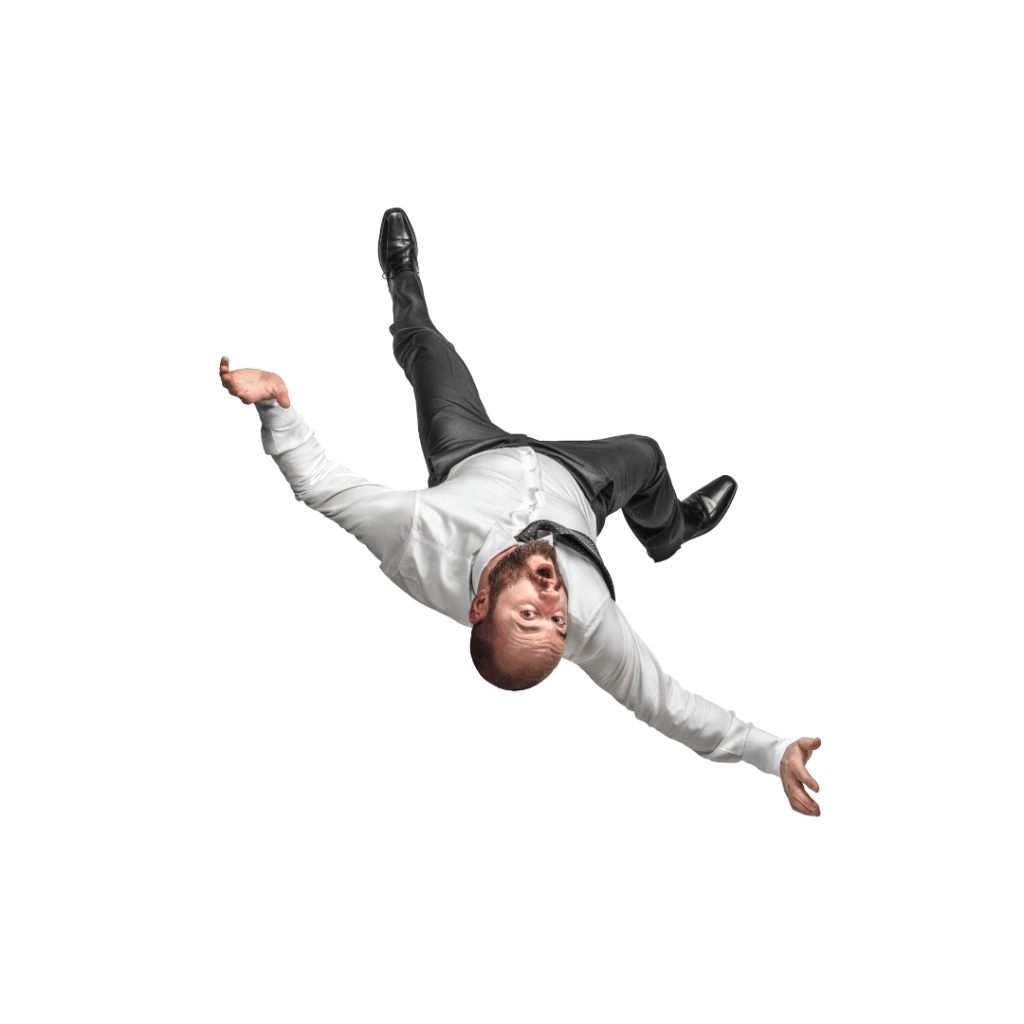
At Thrive Body Clinic, we are dedicated to providing our patients with the knowledge and care they need to thrive physically and mentally. One common injury we see, especially during the winter months and in active individuals, is the FOOSH injury. FOOSH stands for “Fall On an Outstretched Hand.” It’s an umbrella term for various injuries resulting from falling onto your hand, which often leads to wrist, forearm, or shoulder damage. Let’s delve into what FOOSH injuries are, how they can be prevented, and the treatments available at Thrive Body Clinic.
What is FOOSH?
FOOSH, or Fall On an Outstretched Hand, describes a mechanism of injury rather than a specific injury itself. It occurs when someone falls and instinctively extends their hand to break the fall. While this reflex may prevent facial or head injuries, it can transfer significant force through the wrist, forearm, and shoulder, leading to various injuries. Common injuries resulting from a FOOSH incident include:
- Wrist Fractures: The most common wrist fractures are distal radius fractures, also known as Colles fractures. This occurs when the radius bone in the forearm breaks near the wrist.
- Scaphoid Fractures: The scaphoid bone, located near the base of the thumb, is particularly vulnerable in a FOOSH injury. These fractures can be challenging to heal due to poor blood supply to the area.
- Dislocations: The force of the fall can cause joints, particularly in the wrist and shoulder, to dislocate.
- Ligament Sprains and Tears: Ligaments in the wrist, such as the scapholunate ligament, can be sprained or torn during a FOOSH incident.
- Soft Tissue Injuries: Muscles, tendons, and other soft tissues in the hand, wrist, and forearm can be strained or torn.
Symptoms of FOOSH Injuries
FOOSH injuries can present with various symptoms depending on the specific injury. Common symptoms include:
- Pain and tenderness in the wrist, forearm, or shoulder
- Swelling and bruising
- Limited range of motion
- Visible deformities, such as a misaligned wrist or shoulder
- Numbness or tingling in the affected area
If you experience any of these symptoms following a fall, it is crucial to seek medical attention promptly to prevent further damage and ensure proper healing.
Prevention of FOOSH Injuries
While it’s impossible to prevent all falls, there are several strategies to reduce the risk of FOOSH injuries:
- Maintain a Safe Environment: Keep your living and working spaces free from tripping hazards. Use non-slip mats in areas prone to wetness, such as bathrooms and kitchens.
- Wear Appropriate Footwear: Choose shoes with good traction, especially in slippery conditions.
- Exercise Regularly: Strengthening your muscles, particularly in the legs and core, can improve balance and coordination, reducing the likelihood of falls.
- Use Assistive Devices: For those with balance issues, using canes or walkers can provide additional stability.
- Practice Safe Techniques: When engaging in physical activities, use proper techniques and protective gear to minimize the risk of falls. For example, wrist guards can be beneficial for activities like rollerblading or skateboarding.
- Be Mindful of Medications: Some medications can cause dizziness or drowsiness, increasing the risk of falls. Consult with your healthcare provider about potential side effects.
Treatment of FOOSH Injuries
At Thrive Body Clinic, we offer a comprehensive approach to treating FOOSH injuries. Our osteopathic practitioner is skilled in diagnosing and treating these injuries, focusing on holistic and individualized care. Here’s how we can help:
- Accurate Diagnosis: Proper diagnosis is crucial for effective treatment. We use a combination of physical examination and patient history to identify the specific injury. If appropriate we will advise you to seek scans or x-rays from the NHS.
- Pain Management: Managing pain is a priority. We employ various techniques, including osteopathic manipulative treatment (OMT), to alleviate pain and promote healing. OMT involves hands-on techniques to move muscles and joints, improve circulation, and enhance the body’s natural healing process.
- Immobilization: For fractures and severe sprains, immobilization with casts, splints, or braces may be necessary to ensure proper healing. The NHS will provide these.
Why Choose Thrive Body Clinic?
At Thrive Body Clinic, we take pride in our patient-centred approach.
- Holistic Approach: We believe in treating the whole person, not just the injury. Our holistic approach considers all aspects of your health and well-being.
- Personalized Care: We understand that each patient is unique, and we tailor our treatment plans to meet your specific needs and goals.
Conclusion
FOOSH injuries can be painful and disruptive, but with the right care and attention, full recovery is possible. At Thrive Body Clinic, we are committed to helping you recover from FOOSH injuries and prevent future falls. If you have experienced a FOOSH injury or want to learn more about preventing falls, contact us today to schedule an appointment. Let us help you thrive!
 Thrive Body Clinic Osteopathy & Sports Massage
Leave a comment