What is Fascia?
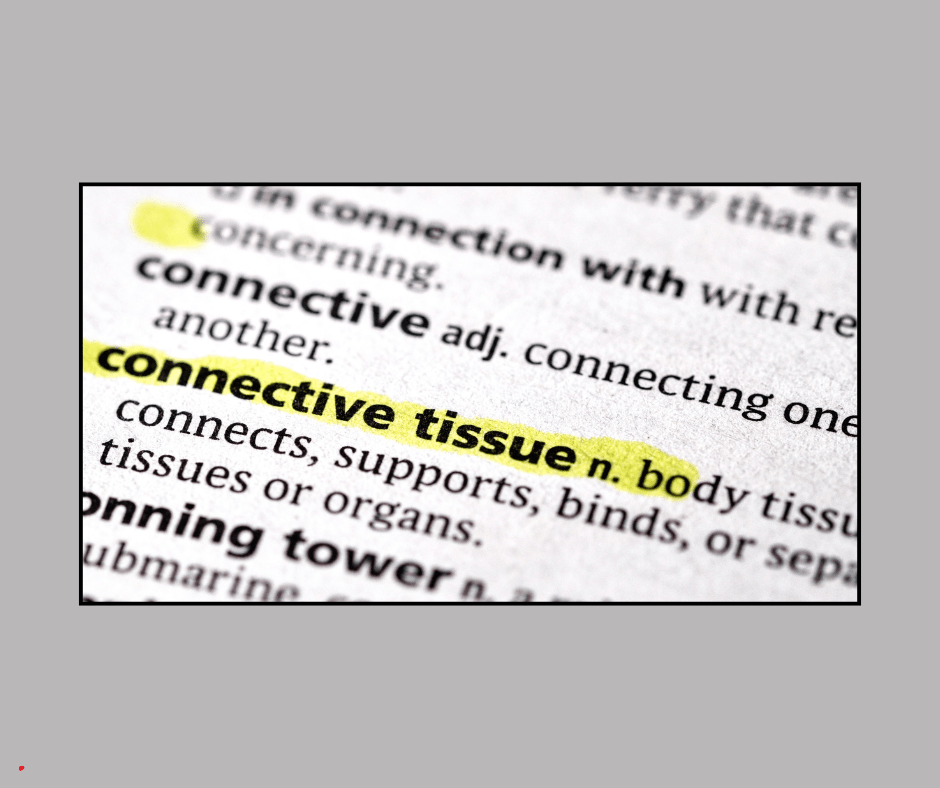
Fascia, often overlooked, is a vital component of our body. It’s a type of connective tissue that envelops and separates muscles, organs, and other internal structures. Think of it as a continuous web of fibrous tissue that supports and protects every part of our body, from head to toe. Fascia is composed mainly of collagen, which gives it strength and flexibility. This tissue is integral to maintaining structural integrity, supporting movement, and facilitating the transmission of force throughout the body.
Why We Work with Fascia
At Thrive Body Clinic, we recognize the importance of fascia in overall health and well-being. Working with fascia is crucial for several reasons:
- Structural Support: Fascia provides essential support and stability to muscles and bones. By working with it, we can improve posture and alignment, which are critical for preventing injuries and maintaining balance.
- Pain Relief: Fascia can become tight or restricted due to injury, overuse, or inactivity, leading to pain and discomfort. Osteopathic treatment can help release these restrictions, reducing pain and improving function.
- Enhanced Mobility: Healthy fascia allows for smooth, unrestricted movement. By addressing fascial restrictions, we can enhance mobility and flexibility, making everyday activities easier and more comfortable.
- Circulation and Healing: Fascia plays a role in the circulatory and lymphatic systems. Improving fascial health can enhance blood flow and lymphatic drainage, promoting faster healing and reducing inflammation.
What Happens When We Work on Fascia
When we work on fascia, whether through osteopathic techniques, massage, or specific exercises, several beneficial changes occur:
- Release of Tension: Techniques like myofascial release help to gently stretch and manipulate the fascia, releasing tension and adhesions (areas where the fascia has become stuck).
- Improved Hydration: Healthy fascia is well-hydrated, allowing it to move and glide smoothly. Techniques that manipulate the fascia can improve its hydration by stimulating the movement of fluids within the tissue.
- Enhanced Elasticity: Regular treatment and movement can restore the elasticity of fascia, making it more flexible and resilient. This can improve overall movement patterns and reduce the risk of injury.
- Pain Reduction: Releasing fascial tension can alleviate pressure on nerves and reduce pain. This is particularly effective for chronic pain conditions such as fibromyalgia or lower back pain.
- Better Posture and Alignment: By addressing fascial restrictions, we can improve posture and alignment, leading to better biomechanics and less strain on the body.
How Osteopathy Works with Fascia
At Thrive Body Clinic, we use a variety of osteopathic techniques to work with fascia. These include:
- Myofascial Release: This involves applying gentle, sustained pressure to the fascia to release restrictions and improve movement. It can be performed manually or using tools.
- Soft Tissue Techniques: These involve stretching, kneading, and massaging the soft tissues, including fascia, to reduce tension and promote relaxation.
- Strain-Counterstrain: This technique involves positioning the body to relieve pain and release fascial restrictions by reducing muscle tension and improving blood flow.
What You Can Do to Keep Your Fascia Healthy
While professional treatment is essential for maintaining fascial health, there are several things you can do at home to support your fascia:
- Stay Hydrated: Drinking plenty of water is crucial for maintaining the hydration and flexibility of your fascia. Aim for at least eight glasses of water a day, more if you are active.
- Stretch Regularly: Incorporate regular stretching into your daily routine to keep your fascia flexible and prevent adhesions. Focus on full-body stretches that target multiple muscle groups.
- Move Often: Regular movement, such as walking, swimming, or yoga, helps keep your fascia healthy. Avoid prolonged periods of inactivity, which can lead to stiffness and restrictions.
- Use a Foam Roller: Foam rolling can help release tension in the fascia and improve circulation. Spend a few minutes each day rolling out major muscle groups, focusing on areas that feel tight or sore.
- Practice Good Posture: Maintaining good posture throughout the day reduces strain on your fascia. Be mindful of your alignment when sitting, standing, and moving.
- Healthy Diet: A balanced diet rich in vitamins and minerals supports overall tissue health, including fascia. Focus on eating a variety of fruits, vegetables, lean proteins, and healthy fats.
- Get Regular Check-Ups: Regular visits to your osteopath can help identify and address fascial issues before they become problematic. Preventive care is key to long-term health.
Fascia is a critical component of our body’s structure and function. At Thrive Body Clinic, we understand the importance of maintaining healthy fascia for overall well-being. Through osteopathic techniques and self-care practices, you can keep your fascia flexible, hydrated, and functioning optimally. By prioritizing fascial health, you can enjoy better mobility, reduced pain, and improved overall quality of life. If you’re experiencing pain or discomfort, don’t hesitate to reach out to us at Thrive Body Clinic. We’re here to help you achieve optimal health and well-being.
 Thrive Body Clinic Osteopathy & Sports Massage
Leave a comment