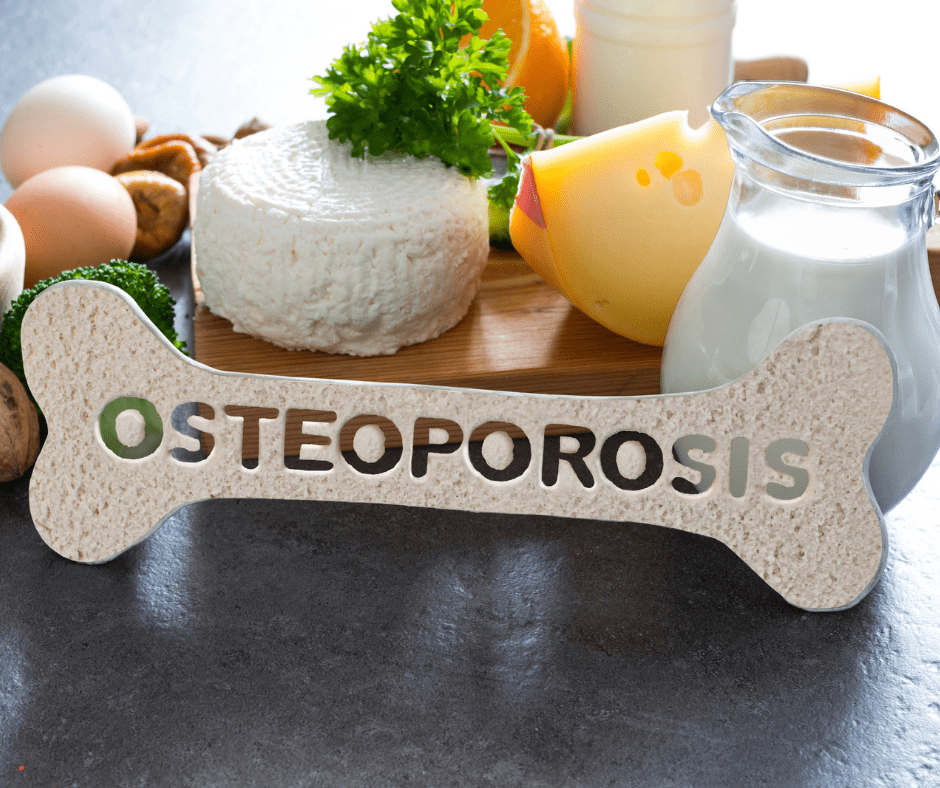
May is National Osteoporosis Month, a time dedicated to raising awareness about osteoporosis, a condition characterized by weak and brittle bones. At Thrive Body Clinic, we’re committed to educating our community about the importance of bone health and providing support for those affected by osteoporosis. In this blog post, we’ll look into the common causes, symptoms, treatment options, and explore how osteopathy can help individuals manage and improve their bone health.
Osteoporosis is a progressive condition characterized by a loss of bone density, resulting in fragile and porous bones. It often develops silently over time, with no noticeable symptoms until a fracture occurs. Common risk factors include aging, hormonal changes (especially in postmenopausal women), sedentary lifestyle, low calcium and vitamin D intake, smoking, excessive alcohol consumption, and certain medications.
In the early stages, osteoporosis may not present any symptoms. However, as the condition progresses, individuals may experience symptoms such as back pain, loss of height, stooped posture, and an increased risk of fractures, particularly in the spine, hips, wrists, and ribs. Fractures resulting from osteoporosis can have serious implications for mobility, independence, and overall quality of life.
The goal of osteoporosis treatment is to slow down bone loss, reduce the risk of fractures, and improve bone density. Treatment approaches may include medications to strengthen bones, calcium and vitamin D supplements, lifestyle modifications (such as weight-bearing exercise and smoking cessation), and fall prevention strategies. It’s essential for individuals with osteoporosis to work closely with their healthcare providers to develop a personalized treatment plan tailored to their needs.
Osteopathy offers a holistic approach to managing osteoporosis by addressing musculoskeletal imbalances and promoting overall well-being. Osteopathic treatments focus on improving posture, mobility, and alignment to reduce strain on the bones and joints. Manual techniques, such as soft tissue manipulation, joint mobilization, and gentle stretching, can help alleviate pain, improve circulation, and enhance the body’s natural healing mechanisms. Additionally, osteopaths can provide guidance on exercise programs tailored to improve bone density and reduce the risk of falls.
While osteoporosis cannot be completely cured, certain lifestyle modifications can help prevent further bone loss and reduce the risk of fractures. Incorporating a balanced diet rich in calcium and vitamin D, engaging in regular weight-bearing and muscle-strengthening exercises, quitting smoking, limiting alcohol intake, and taking steps to prevent falls can all contribute to better bone health and overall well-being.
As we observe National Osteoporosis Month, let’s prioritize our bone health and take proactive steps to prevent and manage osteoporosis. By raising awareness, promoting early detection, and embracing holistic approaches like osteopathy, we can empower individuals to live healthier, more vibrant lives, free from the limitations of osteoporosis. If you have concerns about your bone health or are living with osteoporosis, don’t hesitate to reach out to Andrew at Thrive Body Clinic. Together, we can support you on your journey to better bone health and overall wellness.
 Thrive Body Clinic Osteopathy & Sports Massage
Leave a comment