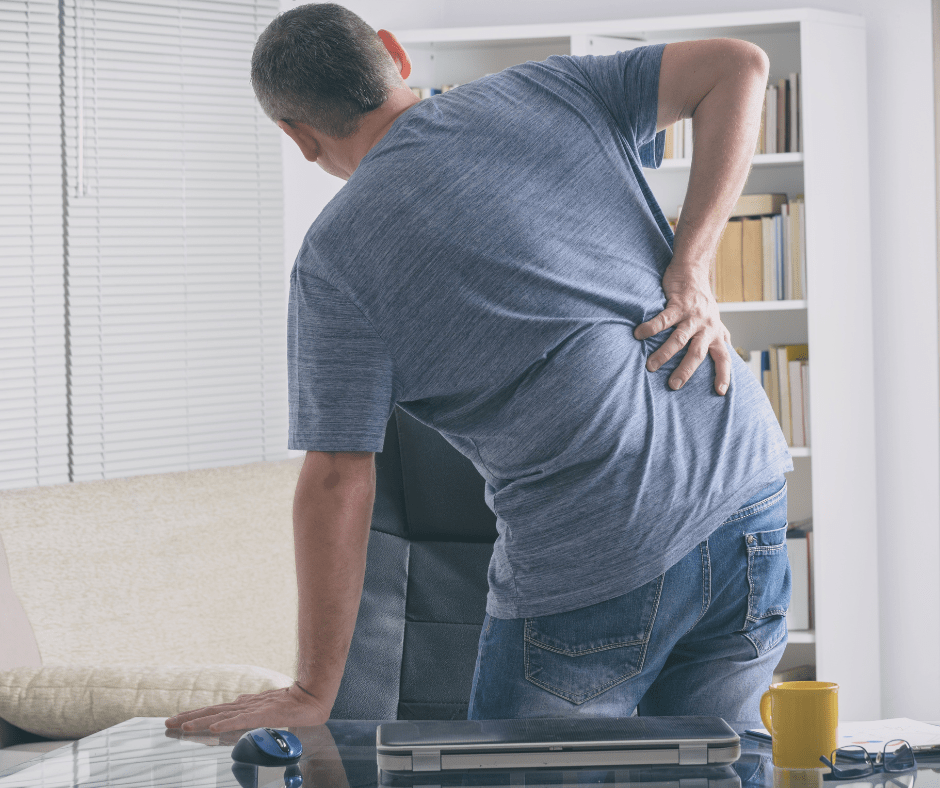
Acute low back pain can be debilitating, affecting your ability to perform daily activities and diminishing your quality of life. While seeking professional help from an osteopath is essential for long-term relief, there are several strategies you can employ to manage your symptoms and alleviate discomfort until your appointment. In this blog post, we’ll explore various techniques and remedies for relieving acute low back pain, including painkillers, knee hugs, heat packs, ice packs, ergonomic adjustments, and gentle exercises.
Managing Pain with Painkillers: Over-the-counter painkillers such as ibuprofen or paracetamol can help alleviate acute low back pain by reducing inflammation and providing temporary relief. It’s essential to follow the recommended dosage instructions and consult with a healthcare professional if you have any underlying medical conditions or are taking other medications.
Practicing Knee Hugs: Knee hugs are a simple yet effective stretch that can help relieve tension and discomfort in the lower back. Lie on your back with both knees bent and feet flat on the floor. Gently pull one knee toward your chest, holding it with your hands for 15-30 seconds. Repeat with the other knee. This stretch can help release tight muscles and improve flexibility in the lower back.
Applying Heat and Ice Packs: Applying heat or ice packs to the affected area can provide temporary relief from acute low back pain. Heat packs can help relax muscles and increase blood flow to the area, while ice packs can reduce inflammation and numb the pain. Alternate between heat and ice therapy every 15-20 minutes, being sure to use a cloth or towel to protect your skin from direct contact with the packs.
Using a Plastic Bag on Your Car Seat: If driving exacerbates your low back pain, placing a small cushion on your car seat can provide additional support and cushioning. This can help alleviate pressure on the spine and reduce discomfort during your commute or daily travels. Placing a plastic bag on the seat can help you to slide and rotate before you get out of the car, getting both legs out instead of twisting the low back.
Getting Up from Sitting: When getting up from a seated position, avoid bending forward at the waist, as this can strain the muscles and exacerbate low back pain. Instead, bring your legs further underneath you, and use your legs to push yourself up from the chair or seat, keeping your back straight and using your arms for support if necessary. Take your time and avoid sudden movements that may aggravate your symptoms.
Leaning Forwards: Leaning forwards while standing or sitting can help relieve pressure on the lower back and alleviate discomfort. If standing, gently bend forward at the hips, keeping your back straight, and allow your upper body to hang loosely. If sitting, lean forward slightly while keeping your spine aligned and shoulders relaxed. This position can help stretch the muscles in the lower back and provide relief from acute pain.
While these strategies can help alleviate acute low back pain temporarily, it’s essential to seek professional help from an osteopathic practitioner for long-term relief and management of your symptoms. Osteopathy offers a holistic approach to treating low back pain, addressing the underlying causes and promoting overall musculoskeletal health. If you’re experiencing acute low back pain, don’t hesitate to book an appointment with Andrew at Thrive Body Clinic who can provide personalized care and support tailored to your needs.
 Thrive Body Clinic Osteopathy & Sports Massage
Leave a comment