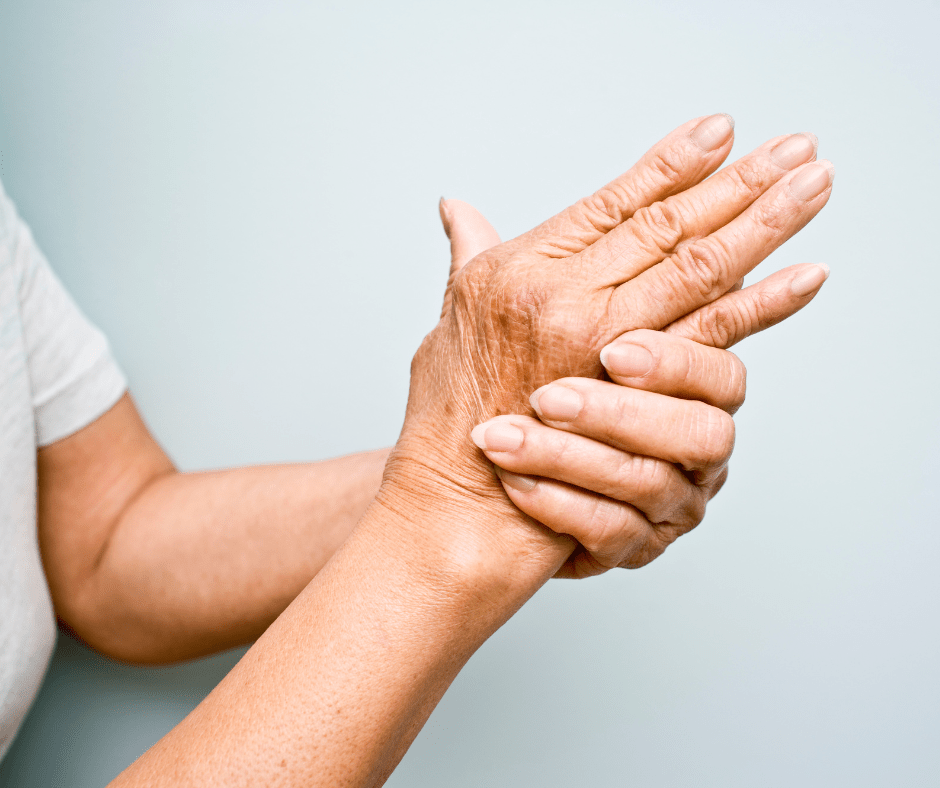
Arthritis is a common condition that affects millions of people worldwide, and one of its most prevalent forms is arthritis in the hands. Among the various hand joints, the thumb is particularly prone to arthritis due to its extensive mobility and frequent use in daily activities. At Thrive Body Clinic, we understand the debilitating effects of thumb arthritis and aim to provide comprehensive insights into its causes, symptoms, and effective treatment options to help you regain control of your hand health.
What Causes Thumb Arthritis? Thumb arthritis, also known as basal joint arthritis or carpometacarpal (CMC) joint arthritis, occurs when the cartilage at the base of the thumb wears away. Several factors contribute to the development of thumb arthritis, including:
- Age: Aging is one of the primary risk factors for thumb arthritis. As we age, the cartilage in our joints naturally deteriorates, leading to increased friction and wear.
- Genetics: Genetic predisposition can play a significant role in the development of arthritis. If you have a family history of arthritis or joint problems, you may be more susceptible to thumb arthritis.
- Overuse or Injury: Repetitive movements or trauma to the thumb joint, such as those experienced in certain occupations or sports activities, can accelerate cartilage breakdown and increase the likelihood of developing arthritis.
- Joint Misalignment: Abnormalities in thumb joint alignment, such as ligament laxity or previous injuries, can disrupt the smooth functioning of the joint and contribute to arthritis progression.
Symptoms of Thumb Arthritis: Recognizing the symptoms of thumb arthritis is crucial for early intervention and effective management. Common signs and symptoms of thumb arthritis include:
- Pain: Persistent pain at the base of the thumb, especially during activities that involve gripping or pinching motions, is a hallmark symptom of thumb arthritis.
- Swelling: Inflammation and swelling around the thumb joint may occur as a result of the body’s inflammatory response to cartilage damage.
- Stiffness: Reduced range of motion and stiffness in the thumb joint can make simple tasks, such as writing or opening jars, challenging and uncomfortable.
- Weakness: Weakness in the thumb muscles may develop as arthritis progresses, further compromising hand function and grip strength.
- Bony Enlargement: Over time, the affected joint may develop bony growths or nodules, known as osteophytes, which can be palpable and visible on physical examination.
Treatment Options for Thumb Arthritis: While thumb arthritis is a chronic condition with no cure, several treatment options can help alleviate pain, improve function, and slow disease progression. At Thrive Body Clinic, our team of osteopathic professionals specializes in personalized treatment plans tailored to your unique needs. Some of the most effective treatment modalities for thumb arthritis include:
- Medications: Nonsteroidal anti-inflammatory drugs (NSAIDs), such as ibuprofen or naproxen, can help reduce pain and inflammation associated with thumb arthritis. In some cases, corticosteroid injections may be recommended to provide temporary relief of symptoms.
- Splinting: Wearing a splint or brace to immobilize the thumb joint can help reduce strain and inflammation, allowing the joint to rest and heal.
- Physical Therapy: Targeted exercises and stretching techniques prescribed by a physical therapist can improve thumb joint flexibility, strengthen surrounding muscles, and enhance overall hand function.
- Joint Protection Techniques: Adopting ergonomic strategies and modifying daily activities to minimize thumb joint stress can help prevent exacerbation of symptoms and preserve joint integrity.
- Injections: In cases where conservative measures fail to provide adequate relief, regenerative injections such as platelet-rich plasma (PRP) or hyaluronic acid injections may be considered to promote tissue healing and reduce pain.
- Surgical Intervention: In severe cases of thumb arthritis that do not respond to conservative treatment, surgical options such as joint fusion or joint replacement surgery may be recommended to restore thumb function and alleviate pain.
The Role of Diet in Thumb Arthritis Management: In addition to traditional treatment approaches, dietary modifications can play a significant role in managing thumb arthritis. Certain foods have anti-inflammatory properties that can help reduce pain and inflammation associated with arthritis. Incorporating these foods into your diet may help alleviate symptoms and improve overall joint health:
- Omega-3 Fatty Acids: Foods rich in omega-3 fatty acids, such as fatty fish (salmon, mackerel, sardines), flaxseeds, chia seeds, and walnuts, have been shown to have anti-inflammatory effects. Including these foods in your diet can help reduce inflammation in the joints and alleviate arthritis symptoms.
- Antioxidant-Rich Foods: Fruits and vegetables high in antioxidants, such as berries, cherries, spinach, kale, and broccoli, can help combat oxidative stress and inflammation in the body. Incorporating a variety of colorful fruits and vegetables into your meals can provide essential nutrients to support joint health.
- Turmeric and Ginger: Spices like turmeric and ginger contain potent anti-inflammatory compounds that can help reduce pain and stiffness in arthritic joints. Adding these spices to your cooking or consuming them in supplement form may offer relief from thumb arthritis symptoms.
- Vitamin D and Calcium: Adequate intake of vitamin D and calcium is essential for maintaining strong and healthy bones. Include sources of vitamin D, such as fortified dairy products, fatty fish, and sunlight exposure, along with calcium-rich foods like dairy, leafy greens, and fortified plant-based alternatives, to support bone health and prevent further joint deterioration.
- Limiting Inflammatory Foods: In addition to incorporating anti-inflammatory foods, it’s important to limit the consumption of pro-inflammatory foods that can exacerbate arthritis symptoms. These include processed foods, refined sugars, saturated and trans fats, and excessive alcohol intake.
Thumb arthritis can significantly impact your quality of life by limiting hand function and causing persistent pain and discomfort. However, with early diagnosis and comprehensive treatment, it is possible to effectively manage symptoms and prevent disease progression. At Thrive Body Clinic, we are committed to empowering you with the knowledge and resources needed to thrive despite thumb arthritis. Contact us today to book a consultation and take the first step towards regaining control of your hand health.
 Thrive Body Clinic Osteopathy & Sports Massage
Leave a comment