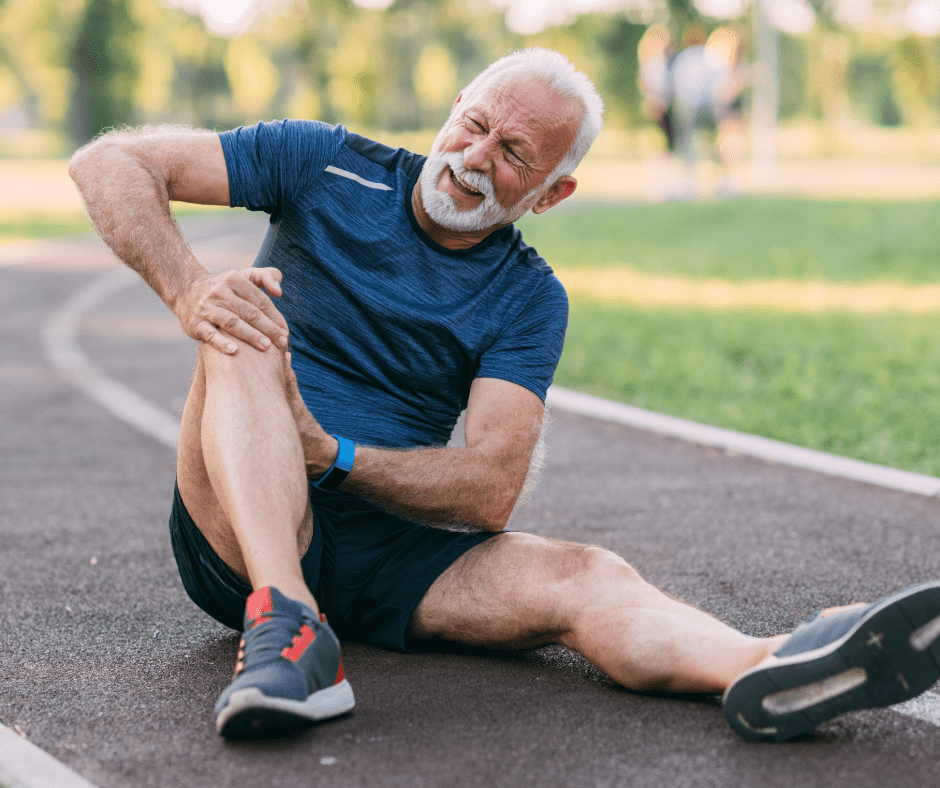
Knee arthritis is a common condition that affects millions of people worldwide, causing pain, stiffness, and limited mobility. In this blog post, we’ll explore the causes, symptoms, treatment options, and how osteopathy can help manage knee arthritis effectively.
Understanding Knee Arthritis: Knee arthritis, also known as osteoarthritis of the knee, is a degenerative joint disease characterized by the breakdown of cartilage in the knee joint. The exact cause of knee arthritis is multifactorial and can include factors such as age, genetics, obesity, previous knee injuries, and overuse of the joint.
Common Causes:
- Age: As we age, the cartilage in our joints naturally wears down, increasing the risk of developing arthritis.
- Genetics: Some individuals may have a genetic predisposition to developing knee arthritis.
- Obesity: Excess weight puts added stress on the knee joints, leading to faster wear and tear of cartilage.
- Previous Knee Injuries: Injuries to the knee, such as ligament tears or fractures, can increase the likelihood of developing arthritis.
- Overuse: Repetitive movements or activities that place strain on the knees can accelerate joint degeneration.
The symptoms of knee arthritis can vary from person to person but commonly include:
- Pain and stiffness in the knee joint, particularly after periods of rest or physical activity.
- Swelling and inflammation around the knee joint.
- Difficulty bending or straightening the knee fully.
- Crepitus, or a grating sensation, when moving the knee.
- Limited range of motion and difficulty performing daily activities such as walking or climbing stairs.
Treatment for knee arthritis aims to relieve pain, improve joint function, and prevent further deterioration of the joint. Common treatment options include:
- Medications: Over-the-counter pain relievers, such as acetaminophen or nonsteroidal anti-inflammatory drugs (NSAIDs), can help reduce pain and inflammation.
- Physical Therapy: Targeted exercises and stretches can help strengthen the muscles around the knee joint and improve flexibility and range of motion.
- Weight Management: Maintaining a healthy weight can reduce stress on the knee joints and slow down the progression of arthritis.
- Assistive Devices: Using supportive devices such as braces, canes, or orthotic shoe inserts can help alleviate pressure on the knees and improve mobility.
- Injections: Corticosteroid injections or hyaluronic acid injections may be recommended to reduce pain and inflammation in the knee joint.
- Surgery: In severe cases of knee arthritis, surgical interventions such as arthroscopy, osteotomy, or knee replacement surgery may be necessary to repair or replace damaged joint tissues.
Osteopathy offers a holistic approach to managing knee arthritis by addressing underlying musculoskeletal imbalances and promoting overall joint health. Osteopathic treatment techniques may include:
- Soft Tissue Manipulation: Gentle manual techniques can help release tension in the muscles surrounding the knee joint, reducing pain and stiffness.
- Joint Mobilization: Gentle movements applied to the knee joint can help improve joint mobility and reduce inflammation.
- Exercise Prescription: Osteopaths may prescribe specific exercises to strengthen the muscles supporting the knee joint and improve overall joint function.
- Lifestyle Advice: Osteopaths can provide guidance on lifestyle modifications, such as proper posture, ergonomic adjustments, and dietary changes, to support joint health and manage arthritis symptoms.
While it may not be possible to completely prevent knee arthritis, certain lifestyle modifications can help reduce the risk of developing the condition or slow down its progression:
- Maintain a Healthy Weight: Adopting a healthy diet and regular exercise routine can help prevent obesity and reduce stress on the knee joints.
- Stay Active: Engage in low-impact exercises such as swimming, cycling, or walking to strengthen the muscles around the knee joint and improve joint flexibility.
- Avoid Overuse: Be mindful of activities that place excessive strain on the knees, and incorporate rest periods into your routine to allow for proper recovery.
- Wear Proper Footwear: Choose supportive shoes that provide adequate cushioning and stability to reduce impact on the knees during physical activity.
- Practice Good Posture: Maintain proper posture when sitting, standing, and lifting to minimize unnecessary stress on the knee joints and prevent musculoskeletal imbalances.
Knee arthritis can significantly impact quality of life, but with early intervention and appropriate treatment, individuals can effectively manage their symptoms and maintain an active lifestyle. Osteopathy offers a natural and holistic approach to managing knee arthritis by addressing underlying musculoskeletal imbalances and promoting overall joint health. By incorporating lifestyle modifications and preventive strategies, individuals can reduce the risk of future episodes and enjoy improved knee function and mobility for years to come.
 Thrive Body Clinic Osteopathy & Sports Massage
Leave a comment