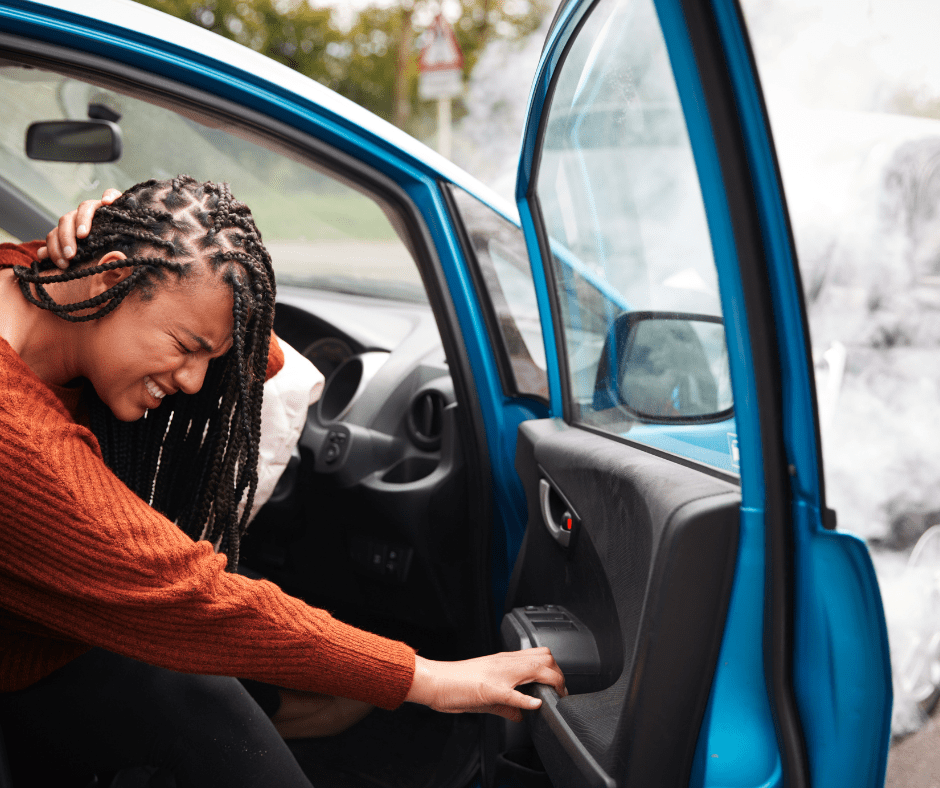
Whiplash is a common injury that occurs when the neck is forcefully and rapidly jerked backward and then forward, often as a result of a car accident or sports injury. While whiplash is typically associated with motor vehicle accidents, it can also occur during contact sports or falls. In this blog post, we’ll delve into the causes, symptoms, treatment options, and preventive measures for whiplash, as well as how osteopathy can play a role in recovery.
Causes of Whiplash:
- Car Accidents: Rear-end collisions are the most common cause of whiplash injuries, as the impact from behind causes the neck to hyperextend and then flex forward rapidly.
- Sports Injuries: Whiplash can occur during sports activities such as football, rugby, or horseback riding, where sudden impact or falls can jolt the neck.
- Physical Assault: A blow to the head or neck during physical altercations can also result in whiplash injuries.
Symptoms of Whiplash:
- Neck Pain and Stiffness: The most common symptom of whiplash is neck pain and stiffness, often accompanied by reduced range of motion.
- Headaches: Many individuals with whiplash experience headaches, which may be dull or throbbing in nature and radiate from the base of the skull.
- Shoulder Pain: Pain and tenderness in the shoulders and upper back may occur due to muscle strain or referred pain from the neck.
- Arm Tingling or Numbness: Whiplash can cause nerve compression, leading to tingling, numbness, or weakness in the arms.
- Dizziness and Fatigue: Some individuals may experience dizziness, fatigue, or difficulty concentrating as a result of whiplash.
How Osteopathy Can Help (after you’ve been assessed by your doctor):
- Osteopathic Assessment: Osteopaths conduct a thorough assessment to evaluate the extent of the injury and identify any underlying musculoskeletal imbalances.
- Osteopathic Manipulative Treatment (OMT): OMT techniques such as soft tissue manipulation, joint mobilization, and gentle stretching can help alleviate pain, reduce muscle tension, and improve mobility in the neck and surrounding areas.
- Pain Management: Osteopaths provide guidance on pain management strategies, including heat and ice therapy, ergonomic adjustments, and gentle exercises to promote healing.
- Rehabilitation Exercises: Osteopaths prescribe specific exercises to strengthen the muscles supporting the neck and improve range of motion, facilitating the recovery process.
- Patient Education: Osteopaths educate patients about proper posture, ergonomic principles, and injury prevention techniques to minimize the risk of future episodes of whiplash.
Prevention of Whiplash:
- Wear Seat Belts: Always wear a seat belt while driving or riding in a vehicle to reduce the risk of whiplash injuries during car accidents.
- Maintain Proper Posture: Practice good posture while sitting, standing, and performing daily activities to reduce strain on the neck and spine.
- Use Protective Gear: Wear appropriate protective gear during sports activities, such as helmets and neck braces, to minimize the risk of neck injuries.
- Stay Alert: Be aware of your surroundings and avoid situations where the risk of whiplash injury is high, such as participating in high-impact sports without proper training or supervision.
- Seek Prompt Treatment: If you experience symptoms of whiplash after an injury, seek prompt medical attention to prevent further complications and promote faster recovery.
Whiplash injuries can have a significant impact on daily life, causing pain, stiffness, and reduced mobility in the neck and surrounding areas. However, with proper treatment and preventive measures, individuals can recover from whiplash injuries and reduce the risk of future episodes. Osteopathy offers a holistic approach to managing whiplash, addressing both the symptoms and underlying causes of the injury to promote optimal healing and recovery. By understanding the causes, symptoms, treatment options, and preventive measures for whiplash, individuals can take proactive steps to protect their neck health and well-being.
 Thrive Body Clinic Osteopathy & Sports Massage
Leave a comment