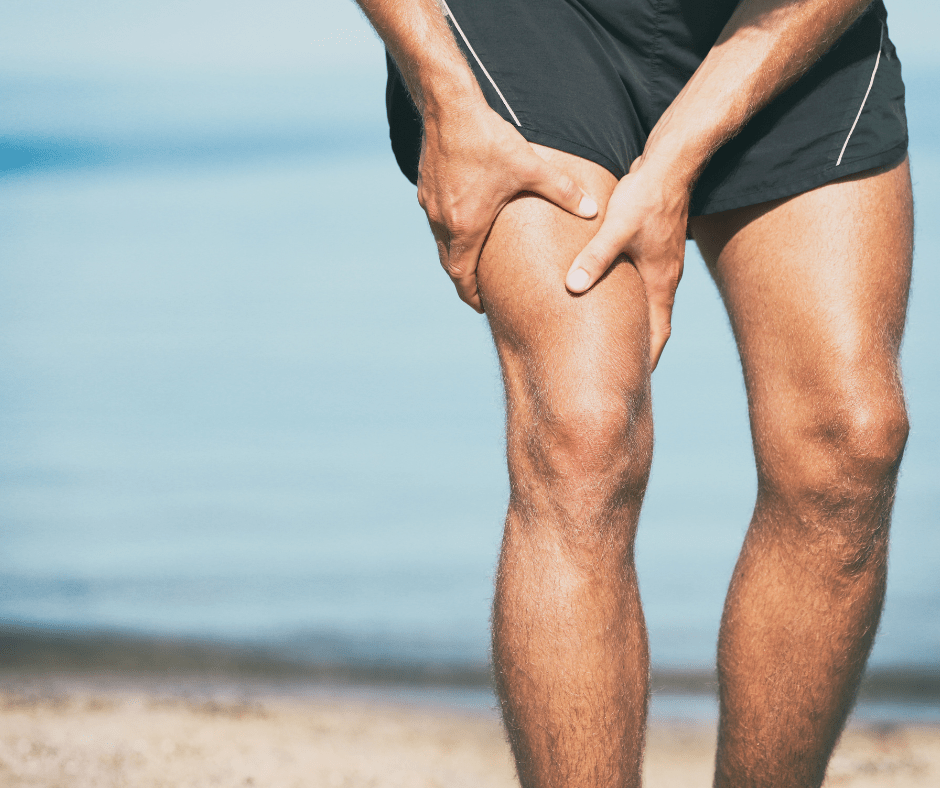
Exercise-related cramps are a common occurrence that can disrupt physical activity and cause discomfort. Whether you’re an athlete, fitness enthusiast, or occasional exerciser, experiencing cramps during or after exercise is frustrating and can hinder performance. In this blog post, we’ll delve into the common causes of exercise-related cramps, their symptoms, various treatment options, the role of osteopathy in managing cramps, and strategies to prevent future episodes.
Common Causes of Exercise-Related Cramps:
- Dehydration: One of the leading causes of exercise-related cramps is dehydration, which occurs when the body loses more fluids than it takes in during physical activity.
- Electrolyte Imbalance: Imbalances in electrolytes, such as sodium, potassium, calcium, and magnesium, can disrupt nerve function and muscle contraction, leading to cramping.
- Muscle Fatigue: Overexertion or prolonged physical activity can fatigue the muscles, making them more susceptible to cramping.
- Poor Conditioning: Inadequate warm-up, poor flexibility, and insufficient conditioning can increase the risk of muscle cramps during exercise.
- Nutritional Deficiencies: Inadequate intake of essential nutrients, such as vitamins B and D, and minerals like calcium and magnesium, can contribute to muscle cramps.
- Underlying Medical Conditions: Certain medical conditions, such as peripheral artery disease, nerve compression syndromes, and metabolic disorders, may predispose individuals to exercise-related cramps.
Symptoms of Exercise-Related Cramps:
- Sudden, involuntary muscle contractions, often occurring during or after exercise
- Intense pain or discomfort in the affected muscle group
- Visible bulging or twitching of the muscle
- Limited range of motion or difficulty moving the affected limb
- Gradual onset of symptoms, worsening with continued physical activity
Treatment Options:
- Hydration: Drinking plenty of fluids before, during, and after exercise can help prevent dehydration and maintain electrolyte balance.
- Electrolyte Replacement: Consuming electrolyte-rich foods or beverages, such as sports drinks or electrolyte tablets, can replenish lost electrolytes and prevent cramps.
- Stretching and Massage: Gentle stretching exercises and self-massage techniques can help relieve muscle tightness and alleviate cramping.
- Heat and Cold Therapy: Applying heat packs or cold packs to the affected muscles can help relax tense muscles and reduce pain.
- Osteopathic Treatment: Osteopathic manipulation techniques, such as soft tissue mobilization and myofascial release, can help improve muscle flexibility, reduce tension, and promote overall musculoskeletal health.
- Medications: In severe cases, over-the-counter pain relievers or muscle relaxants may be prescribed to alleviate pain and discomfort.
How Osteopathy Can Help: Osteopathic treatment focuses on addressing musculoskeletal imbalances and dysfunctions that may contribute to exercise-related cramps. Osteopaths use a combination of manual techniques, such as joint mobilization, muscle energy techniques, and soft tissue manipulation, to restore balance and function to the affected muscles and joints. Additionally, osteopaths may provide personalized exercise prescriptions, ergonomic advice, and nutritional guidance to help prevent future episodes of cramping.
Preventing Future Episodes:
- Stay hydrated by drinking water or electrolyte-rich beverages before, during, and after exercise.
- Gradually increase the intensity and duration of physical activity to allow your muscles to adapt and prevent overexertion.
- Incorporate regular stretching and flexibility exercises into your workout routine to improve muscle elasticity and reduce the risk of cramping.
- Maintain a balanced diet rich in essential nutrients, including vitamins, minerals, and electrolytes, to support muscle function and overall health.
- Listen to your body and avoid pushing through pain or discomfort during exercise. If you experience persistent or severe cramping, seek medical attention promptly.
Exercise-related cramps can be uncomfortable and disruptive, but with the right approach, they can be effectively managed and prevented. By understanding the common causes, symptoms, treatment options, and preventive measures, individuals can take proactive steps to minimize the risk of cramping and optimize their exercise experience. Osteopathy offers a holistic approach to addressing exercise-related cramps, focusing on restoring balance and function to the musculoskeletal system to promote optimal health and performance. If you’re experiencing recurrent or severe cramps during exercise, consult with an osteopath for personalized assessment and treatment tailored to your specific needs.
 Thrive Body Clinic Osteopathy & Sports Massage
Leave a comment