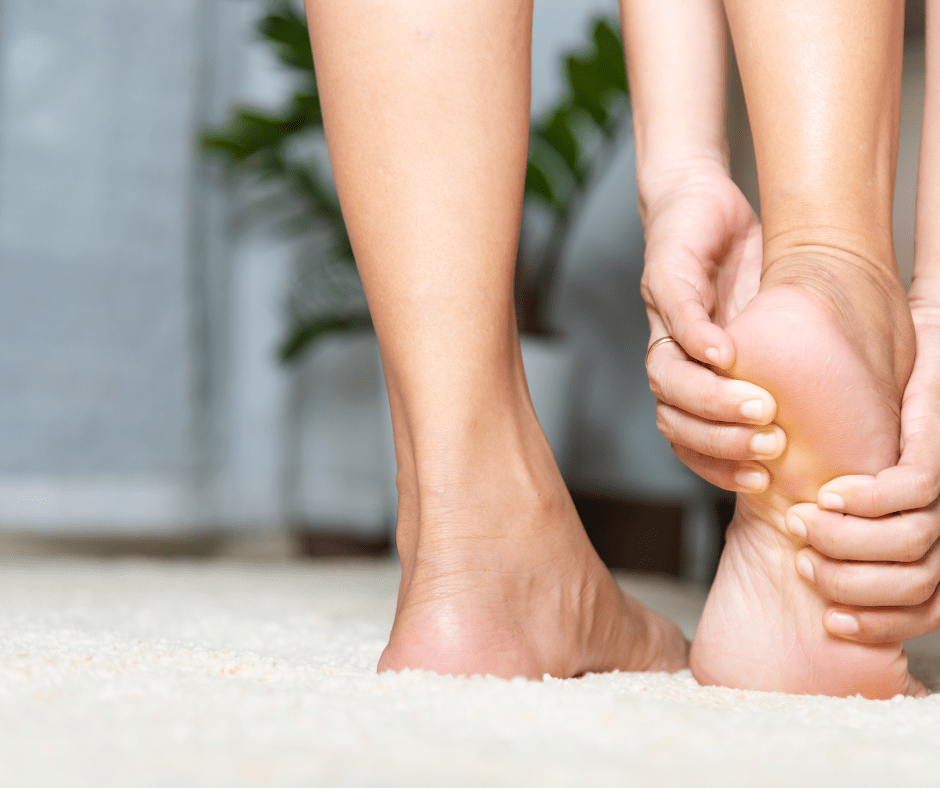
Heel pain is a common complaint that can significantly impact daily activities and quality of life. Whether it’s a sharp, stabbing sensation or a dull ache, heel pain can be debilitating and frustrating to manage. In this blog post, we’ll explore the common causes of heel pain, its symptoms, various treatment options, the role of osteopathy in managing heel pain, and strategies to prevent future episodes.
Common Causes of Heel Pain:
- Plantar Fasciitis: This is one of the most common causes of heel pain, characterized by inflammation of the plantar fascia—a thick band of tissue that runs along the bottom of the foot, connecting the heel bone to the toes.
- Achilles Tendinitis: Inflammation of the Achilles tendon, which connects the calf muscles to the heel bone, can cause pain and stiffness in the back of the heel.
- Heel Spurs: These are abnormal bony growths that develop on the underside of the heel bone, often resulting from repetitive stress or strain on the foot.
- Sever’s Disease: Common in children and adolescents, Sever’s disease is a condition that causes heel pain due to inflammation of the growth plate in the heel bone.
- Bursitis: Inflammation of the bursa—a small, fluid-filled sac located near the heel—can lead to pain and swelling in the heel area.
Symptoms of Heel Pain:
- Pain, ranging from mild to severe, localized in the heel or along the bottom of the foot
- Stiffness or limited mobility, especially in the morning or after periods of rest
- Swelling or tenderness in the heel area
- Difficulty bearing weight on the affected foot
- Sharp or stabbing pain with activity, such as walking or running
Treatment Options:
- Rest: Giving the affected foot time to rest and heal is essential for recovery.
- Ice Therapy: Applying ice packs to the heel can help reduce inflammation and alleviate pain.
- Stretching Exercises: Gentle stretching exercises targeting the calf muscles and plantar fascia can improve flexibility and reduce tension in the foot.
- Orthotic Devices: Custom orthotic inserts or supportive footwear can provide additional cushioning and support to the heel.
- Osteopathic Treatment: Osteopathy offers hands-on techniques to address musculoskeletal imbalances and promote healing in the affected area.
- Medications: Over-the-counter pain relievers or anti-inflammatory medications may help manage pain and reduce inflammation.
How Osteopathy Can Help: Osteopathic treatment aims to address the underlying causes of heel pain by restoring balance and function to the musculoskeletal system. Osteopaths use a combination of manual techniques, such as soft tissue manipulation, joint mobilization, and stretching exercises, to alleviate pain, improve mobility, and promote healing in the affected area. Additionally, osteopaths may provide advice on posture, ergonomics, and lifestyle modifications to prevent future episodes of heel pain.
Preventing Future Episodes:
- Maintain a healthy weight to reduce strain on the feet and lower extremities.
- Wear supportive footwear with adequate arch support and cushioning.
- Gradually increase the intensity and duration of physical activity to avoid overuse injuries.
- Practice proper stretching and strengthening exercises to improve flexibility and muscle strength in the feet and ankles.
- Listen to your body and seek prompt medical attention if you experience persistent or worsening heel pain.
Heel pain is a common condition that can significantly impact daily activities and quality of life. By understanding the common causes, symptoms, treatment options, and preventive measures, individuals can take proactive steps to manage heel pain effectively. Osteopathy offers a holistic approach to addressing heel pain, focusing on restoring balance and function to the musculoskeletal system to promote healing and prevent future episodes. If you’re experiencing heel pain, consult Thrive Body Clinic for personalized treatment and advice tailored to your specific needs.
 Thrive Body Clinic Osteopathy & Sports Massage
Leave a comment