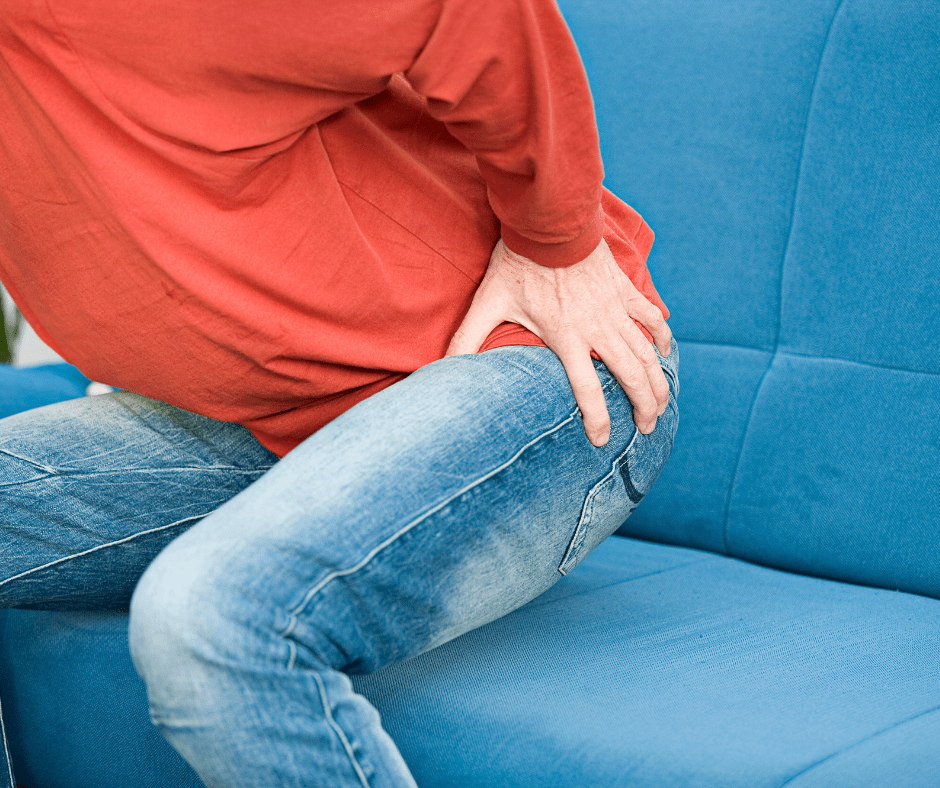
Hip bursitis, a common inflammatory condition, can cause significant discomfort and limit mobility. At Thrive Body Clinic, we’re committed to providing comprehensive care for musculoskeletal conditions like hip bursitis. In this blog post, we’ll explore the causes, symptoms, and effective management strategies for hip bursitis to help you understand and address this challenging condition.
Hip bursitis refers to inflammation of the bursae, small fluid-filled sacs that cushion the hip joint and reduce friction between bones, tendons, and muscles. When these bursae become inflamed, typically due to repetitive stress or trauma, it can result in pain and limited mobility in the hip area. The most common types of hip bursitis include:
- Trochanteric Bursitis: Inflammation of the bursa located on the outside of the hip, often caused by overuse, injury, or biomechanical issues.
- Ischial Bursitis: Inflammation of the bursa near the ischial tuberosity (sitting bone), commonly associated with prolonged sitting or activities that put pressure on the area.
- Iliopsoas Bursitis: Inflammation of the bursa located near the iliopsoas muscle, which can occur due to overuse, repetitive movements, or trauma.
Hip bursitis can develop as a result of various factors, including:
- Overuse or Repetitive Stress: Activities that involve repetitive movements of the hip joint, such as running, cycling, or climbing stairs, can irritate the bursae and lead to inflammation.
- Trauma or Injury: Direct trauma to the hip area, such as a fall or impact injury, can cause bursitis.
- Poor Biomechanics: Imbalances in muscle strength or alignment issues can place excessive stress on the hip joint and surrounding structures, contributing to bursitis.
- Prolonged Sitting: Sitting for extended periods, especially on hard surfaces or inadequate seating, can compress the bursae and lead to inflammation.
- Age-related Changes: As we age, the bursae may become less resilient and more prone to inflammation.
Symptoms of Hip Bursitis: The hallmark symptom of hip bursitis is pain and tenderness in the affected hip area, which may worsen with certain movements or activities. Other common symptoms include:
- Swelling or warmth over the hip joint.
- Pain that radiates down the outside of the thigh or buttocks.
- Difficulty lying on the affected side or sitting for prolonged periods.
- Stiffness or limited range of motion in the hip joint.
- Pain aggravated by walking, climbing stairs, or engaging in activities that involve hip movement.
Managing hip bursitis typically involves a combination of conservative treatments aimed at reducing inflammation, relieving pain, and promoting healing. Here are some effective management strategies for hip bursitis:
- Rest and Activity Modification: Avoid activities that aggravate hip pain and inflammation, and incorporate rest periods to allow the bursae to heal.
- Ice Therapy: Apply ice packs to the affected hip area for 15-20 minutes several times a day to reduce pain and inflammation.
- Anti-inflammatory Medications: Nonsteroidal anti-inflammatory drugs (NSAIDs) may help alleviate pain and reduce inflammation associated with hip bursitis.
- Physical Therapy: Participate in a tailored physical therapy program focused on strengthening the hip muscles, improving flexibility, and correcting biomechanical issues.
- Osteopathic Treatment: Consult with an osteopath for hands-on techniques such as soft tissue manipulation, joint mobilization, and therapeutic exercises to address underlying biomechanical imbalances and promote healing.
- Injection Therapy: In some cases, corticosteroid injections may be recommended to reduce inflammation and alleviate pain in the hip joint.
Hip bursitis can significantly impact daily activities and quality of life, but with proper management and treatment, most individuals can experience relief from symptoms and improved function. If you’re experiencing hip pain or suspect you may have hip bursitis, don’t hesitate to seek professional evaluation and treatment from our experienced osteopathic team at Thrive Body Clinic. We’re here to help you regain mobility, reduce pain, and thrive in your daily life.
 Thrive Body Clinic Osteopathy & Sports Massage
Leave a comment