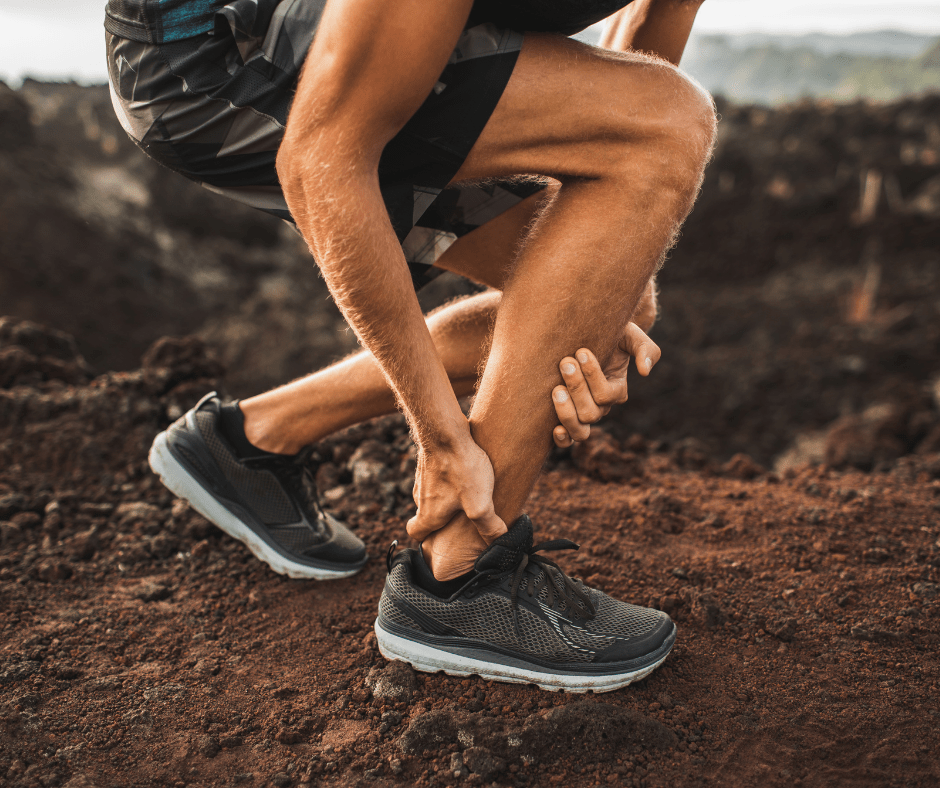
As an osteopathic clinic dedicated to optimizing musculoskeletal health, we understand the frustration and discomfort that can arise from Achilles tendon pain during running. In this blog post, we’ll explore the causes of Achilles pain, preventive measures to avoid it, and effective strategies for managing and treating it should it occur.
The Achilles tendon, located at the back of the ankle, plays a crucial role in walking, running, and jumping. When subjected to repetitive stress or overuse, the tendon can become inflamed, leading to Achilles tendonitis or tendinopathy. Common causes of Achilles pain include:
- Overtraining: Excessive running mileage or intensity without proper rest can strain the Achilles tendon, leading to pain and inflammation.
- Poor Footwear: Wearing inappropriate or worn-out running shoes can contribute to biomechanical imbalances and increase stress on the Achilles tendon.
- Tight Muscles: Tight calf muscles, particularly the gastrocnemius and soleus, can increase strain on the Achilles tendon during running.
- Biomechanical Issues: Abnormalities in foot structure or running mechanics, such as overpronation or excessive heel striking, can predispose individuals to Achilles pain.
To reduce the risk of Achilles pain while running, consider implementing the following preventive measures:
- Gradual Progression: Avoid sudden increases in running intensity or mileage. Gradually build up your running volume to allow your body to adapt and strengthen.
- Proper Footwear: Invest in supportive running shoes that suit your foot type and running gait. Replace worn-out shoes regularly to maintain optimal cushioning and support.
- Stretching and Strengthening: Incorporate regular calf stretches and strengthening exercises into your routine to improve flexibility and muscle endurance.
- Cross-Training: Include low-impact activities such as cycling or swimming in your training regimen to reduce repetitive stress on the Achilles tendon.
- Warm-Up and Cool-Down: Always warm up with dynamic stretches before running and cool down with static stretches afterward to prepare your muscles and prevent stiffness.
If you experience Achilles pain despite preventive measures, it’s essential to address it promptly to prevent further injury. Here are some strategies for managing Achilles pain:
- Rest and Ice: Take a break from running and apply ice to the affected area for 15-20 minutes several times a day to reduce inflammation and pain.
- Gentle Stretching: Perform gentle calf stretches to alleviate tightness and improve flexibility. Avoid aggressive stretching that may exacerbate pain.
- Eccentric Exercises: Incorporate eccentric calf exercises, such as heel drops, to strengthen the Achilles tendon and promote healing.
- Osteopathic Treatment: Consult with an osteopath for hands-on treatment techniques to address biomechanical imbalances, reduce muscle tension, and promote tissue healing.
- Gradual Return to Running: Once pain subsides, gradually reintroduce running activities with a focus on proper technique and pacing. Listen to your body and avoid pushing through pain.
Achilles pain can be a significant deterrent to enjoying running and staying active. By understanding the causes of Achilles pain and implementing preventive measures and effective management strategies, you can minimize the risk of injury and continue to pursue your running goals with confidence. If you’re experiencing persistent Achilles pain, don’t hesitate to seek professional guidance from our experienced osteopath at Thrive Body Clinic.
 Thrive Body Clinic Osteopathy & Sports Massage
Leave a comment