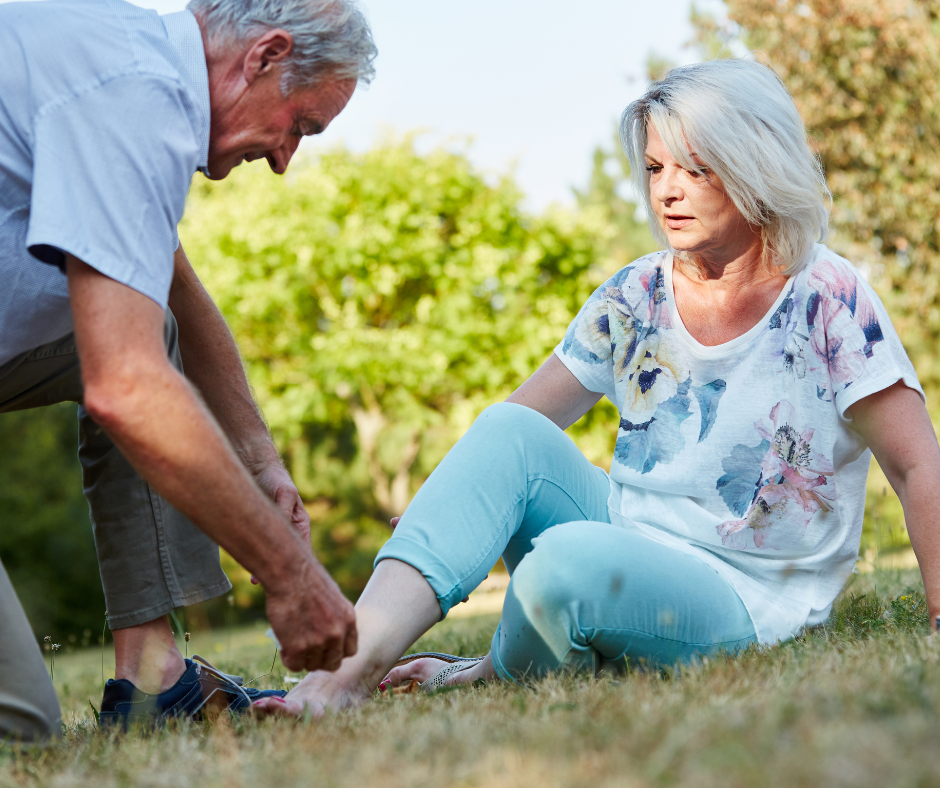
At Thrive Body Clinic, we recognize that sprains and strains are common musculoskeletal injuries that can occur during various activities, from sports and exercise to everyday movements. While these terms are often used interchangeably, they refer to different types of soft tissue injuries with distinct characteristics and implications for recovery. In this blog post, we’ll look into the differences between sprains and strains, explore why they matter, and offer practical guidance on managing these injuries effectively.
Differentiating Sprains and Strains: Sprains and strains both involve damage to soft tissues but affect different structures within the body:
Sprains: A sprain occurs when ligaments, which connect bones to each other, are stretched or torn. Common sites for sprains include the ankles, knees, and wrists.
Strains: A strain occurs when muscles or tendons, which attach muscles to bones, are stretched or torn. Strains often affect the muscles in the back, neck, shoulders, and hamstrings.
Understanding the Severity: The severity of sprains and strains can vary, ranging from mild to severe, depending on the extent of tissue damage:
Grade I: Mild injuries involving minimal stretching or microscopic tearing of tissue.
Grade II: Moderate injuries characterized by partial tearing of tissue and some loss of function.
Grade III: Severe injuries involving complete tearing or rupture of tissue and significant loss of function.
Why They Matter: Sprains and strains can have significant implications for mobility, function, and overall well-being:
Pain and Discomfort: Sprains and strains can cause pain, swelling, and stiffness in the affected area, limiting movement and hindering daily activities.
Impaired Function: Depending on the severity, sprains and strains may impair joint stability, muscle strength, and range of motion, affecting performance in sports, work, and recreational activities.
Risk of Complications: Untreated or poorly managed sprains and strains can lead to chronic pain, instability, and recurrent injuries, compromising long-term musculoskeletal health.
Managing Sprains and Strains: Effective management of sprains and strains involves a multifaceted approach aimed at reducing pain, promoting healing, and restoring function:
Rest: Avoid activities that exacerbate pain or further stress the injured tissues. Allow time for rest and recovery to prevent worsening of symptoms.
Ice: Apply ice packs to the affected area for 15-20 minutes every 2-3 hours to reduce swelling and inflammation. Avoid applying ice directly to the skin to prevent frostbite.
Compression: Use an elastic bandage or compression wrap to provide support and reduce swelling in the injured area.
Elevation: Elevate the injured limb above the level of the heart to minimize swelling and promote fluid drainage.
Osteopathic Treatment: Seek professional evaluation and treatment from an osteopath to address underlying biomechanical imbalances, restore tissue integrity, and facilitate optimal healing.
Preventing Recurrence: Once the acute symptoms have resolved, it’s essential to take steps to prevent future sprains and strains:
Maintain Strength and Flexibility: Incorporate regular strength training and flexibility exercises into your fitness routine to support joint stability and reduce the risk of injury.
Practice Proper Technique: Pay attention to proper body mechanics and technique during physical activities to avoid overexertion and minimize the risk of injury.
Wear Protective Gear: Use appropriate protective equipment, such as supportive footwear, braces, or padding, during high-risk activities to provide added stability and reduce the impact of sudden movements.
Sprains and strains are common musculoskeletal injuries that can have significant implications for mobility, function, and overall well-being. By understanding the differences between sprains and strains, recognizing their severity, and implementing effective management strategies, individuals can expedite the healing process, minimize complications, and reduce the risk of recurrence. If you’ve experienced a sprain or strain, don’t hesitate to seek professional evaluation and treatment from Thrive Body Clinic. Together, we’ll help you navigate through the recovery process and get back to doing what you love with confidence and ease.
 Thrive Body Clinic Osteopathy & Sports Massage
Leave a comment