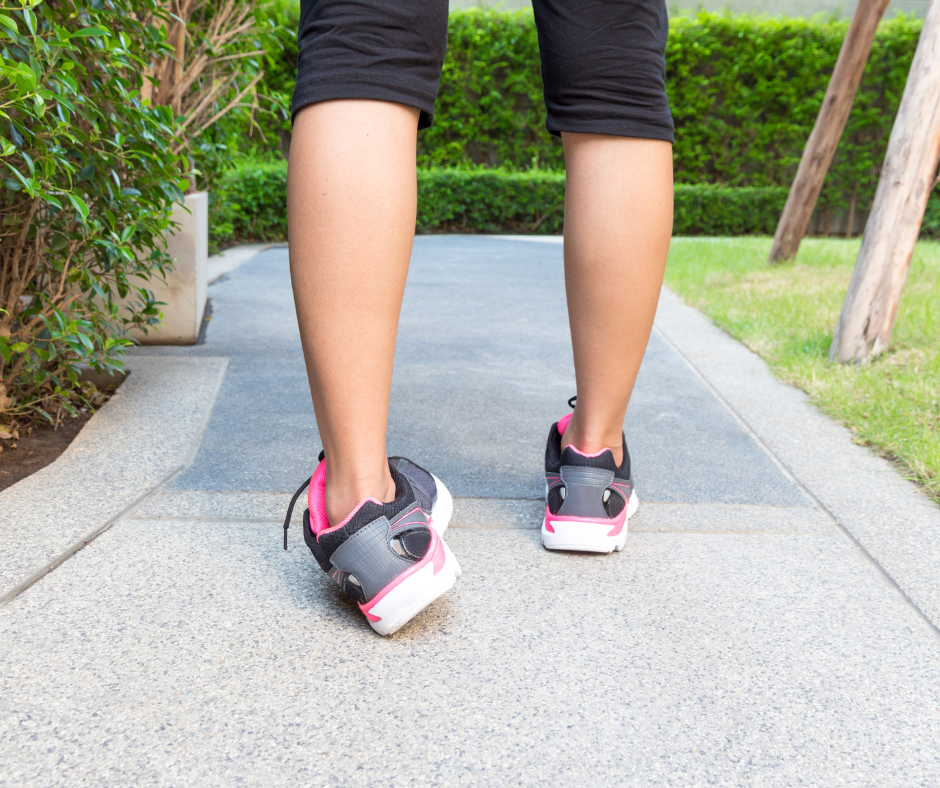
At Thrive Body Clinic, we understand that ankle sprains are a common injury that can disrupt daily activities and hinder mobility. Whether you’re an athlete, fitness enthusiast, or simply navigating through daily life, an ankle sprain can occur unexpectedly and leave you wondering about its severity and the best course of action. In this blog post, we’ll delve into the intricacies of ankle sprains, exploring their severity levels and offering practical guidance on what to do if you experience one.
Anatomy of an Ankle Sprain: An ankle sprain occurs when the ligaments that support the ankle joint are stretched or torn, typically as a result of sudden twisting or rolling of the ankle. The severity of an ankle sprain is often categorized into three grades:
Grade I: Mild sprain with slight stretching or microscopic tearing of ligaments.
Grade II: Moderate sprain with partial tearing of ligaments and some loss of function.
Grade III: Severe sprain with complete tearing of ligaments and significant loss of function.
Determining the severity of an ankle sprain is essential for developing an appropriate treatment plan and predicting the expected recovery time. While mild sprains may only require rest, ice, compression, and elevation (RICE), moderate to severe sprains may necessitate medical attention, including imaging studies such as X-rays or MRIs to assess the extent of ligament damage.
Regardless of the severity, immediate treatment following an ankle sprain can help minimize pain and swelling while promoting healing. The RICE protocol is often recommended:
Rest: Avoid putting weight on the injured ankle and refrain from activities that exacerbate pain.Ice: Apply ice packs to the affected area for 15-20 minutes every 2-3 hours to reduce swelling and inflammation.Compression: Use an elastic bandage or compression wrap to compress the ankle and provide support.
Elevation: Elevate the injured ankle above the level of the heart to reduce swelling and improve circulation.
Rehabilitation and Recovery: Once the initial pain and swelling have subsided, rehabilitation exercises are crucial for restoring strength, flexibility, and stability to the ankle joint. Physical therapy exercises, such as range of motion exercises, strengthening exercises, and balance training, can help improve ankle function and prevent recurrent injuries. Gradually reintroducing weight-bearing activities and sports-specific drills under the guidance of a healthcare professional is essential for a safe and successful return to activity.
Osteopathic Approach: Osteopathic treatment can complement conventional management strategies for ankle sprains by addressing underlying biomechanical imbalances and promoting optimal healing. Osteopathic manual therapy techniques, such as soft tissue manipulation, joint mobilization, and myofascial release, can help reduce pain, improve joint mobility, and restore proper alignment. Additionally, osteopaths may provide personalized exercise prescriptions and ergonomic recommendations to support the recovery process and prevent future injuries.
Preventive Measures: While some ankle sprains are unavoidable, certain preventive measures can reduce the risk of injury:
Wear supportive footwear with appropriate arch support and ankle stability.Warm up before physical activity and incorporate dynamic stretching exercises.Gradually increase the intensity and duration of exercise to allow the body to adapt.Use protective equipment, such as ankle braces or tape, during high-risk activities.
Listen to your body and avoid pushing through pain or fatigue.
Ankle sprains can range in severity from mild to severe, but prompt and appropriate management can facilitate a full recovery and minimize long-term complications. If you’ve experienced an ankle sprain, don’t hesitate to seek professional evaluation and treatment to ensure optimal healing and prevent future injuries. At Thrive Body Clinic, our experienced osteopath is dedicated to helping you recover from ankle sprains and achieve lasting musculoskeletal health. Contact us today to schedule a consultation and take the first step toward a pain-free and active lifestyle.
 Thrive Body Clinic Osteopathy & Sports Massage
Leave a comment