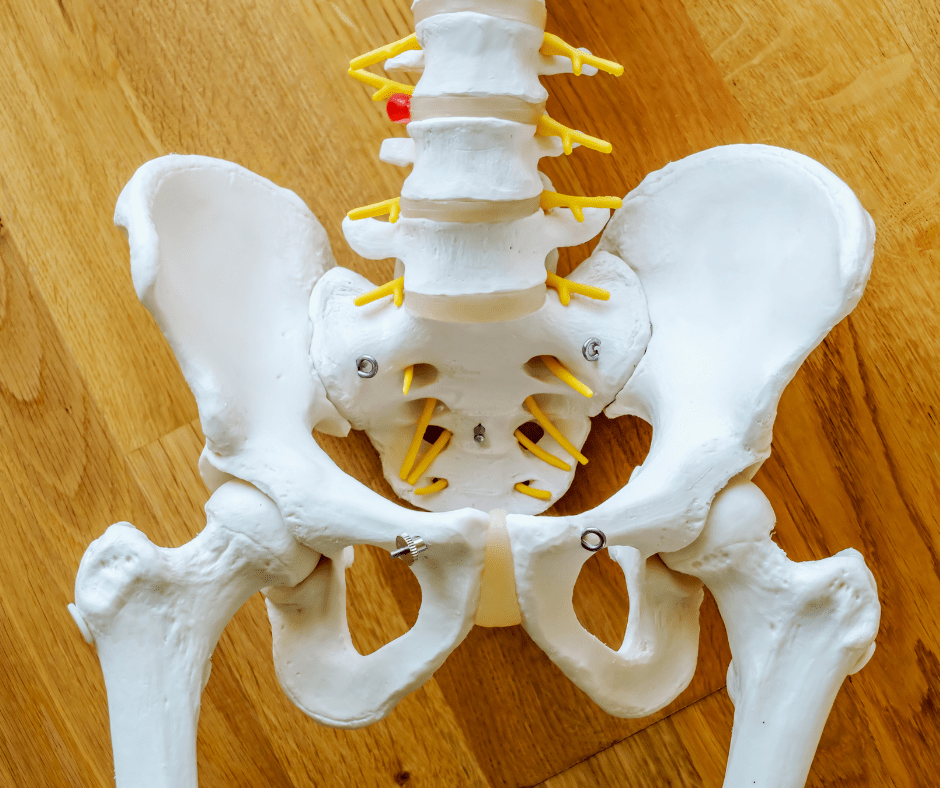
At Thrive Body Clinic, we often see patients with various musculoskeletal issues, including anterior pelvic tilt. This common postural imbalance can lead to discomfort, pain, and reduced mobility if left untreated. In this blog post, we’ll delve into the causes and symptoms of anterior pelvic tilt, explore its impact on the body, and discuss how osteopathic care can help restore balance and alleviate associated symptoms.
What is Anterior Pelvic Tilt? Anterior pelvic tilt, also known as “swayback” or “hyperlordosis,” is a postural misalignment characterized by an excessive forward rotation of the pelvis. In individuals with anterior pelvic tilt, the front of the pelvis tilts downward, causing the lower back to arch excessively and the abdomen to protrude forward. This misalignment can disrupt the natural curvature of the spine and lead to a range of musculoskeletal issues.
Causes of Anterior Pelvic Tilt: Several factors can contribute to the development of anterior pelvic tilt, including:
- Prolonged sitting: Spending long hours sitting can weaken the muscles of the hips and lower back, leading to imbalances in muscle strength and flexibility.
- Muscular imbalances: Weakness or tightness in certain muscle groups, such as the hip flexors, hamstrings, and abdominal muscles, can pull the pelvis out of alignment.
- Poor posture habits: Habitual standing or sitting with the pelvis tilted forward can gradually contribute to the development of anterior pelvic tilt.
- Pregnancy: The increased weight and hormonal changes during pregnancy can affect pelvic alignment and contribute to anterior pelvic tilt in some women.
Symptoms of Anterior Pelvic Tilt: Individuals with anterior pelvic tilt may experience a range of symptoms, including:
- Lower back pain: Excessive arching of the lower back can put strain on the lumbar spine, leading to chronic pain and discomfort.
- Hip and groin pain: Tight hip flexor muscles and increased pressure on the hip joints can cause pain and stiffness in the hips and groin area.
- Knee and foot problems: Anterior pelvic tilt can affect the alignment of the lower limbs, leading to issues such as knee pain, foot pronation, and plantar fasciitis.
- Limited mobility: Muscular imbalances associated with anterior pelvic tilt can restrict range of motion in the hips and lower back, making it difficult to perform certain movements comfortably.
Osteopathic Management of Anterior Pelvic Tilt: Osteopathic treatment for anterior pelvic tilt focuses on restoring balance to the musculoskeletal system and addressing underlying imbalances contributing to the postural misalignment. Techniques may include:
- Soft tissue manipulation: Gentle manual techniques are used to release tension in tight muscles and improve flexibility in the hip flexors, hamstrings, and other affected muscle groups.
- Joint mobilization: Specific joint mobilization techniques help improve mobility and alignment in the pelvis and spine, reducing strain on surrounding muscles and ligaments.
- Muscle strengthening and stretching: Targeted exercises are prescribed to strengthen weak muscles and lengthen tight muscles, helping to rebalance muscle tone and support proper pelvic alignment.
- Postural awareness and education: Patients are educated about proper posture and provided with strategies to maintain optimal alignment during daily activities, such as sitting, standing, and lifting.
Anterior pelvic tilt is a common postural issue that can lead to discomfort, pain, and reduced mobility if left unaddressed. At Thrive Body Clinic, our osteopathic approach focuses on identifying and correcting the underlying imbalances contributing to anterior pelvic tilt, providing comprehensive care to restore balance and alleviate associated symptoms. If you’re experiencing symptoms of anterior pelvic tilt, we’re here to help. Contact us today to book a consultation and learn more about our holistic approach to musculoskeletal health and well-being.
 Thrive Body Clinic Osteopathy & Sports Massage
Leave a comment