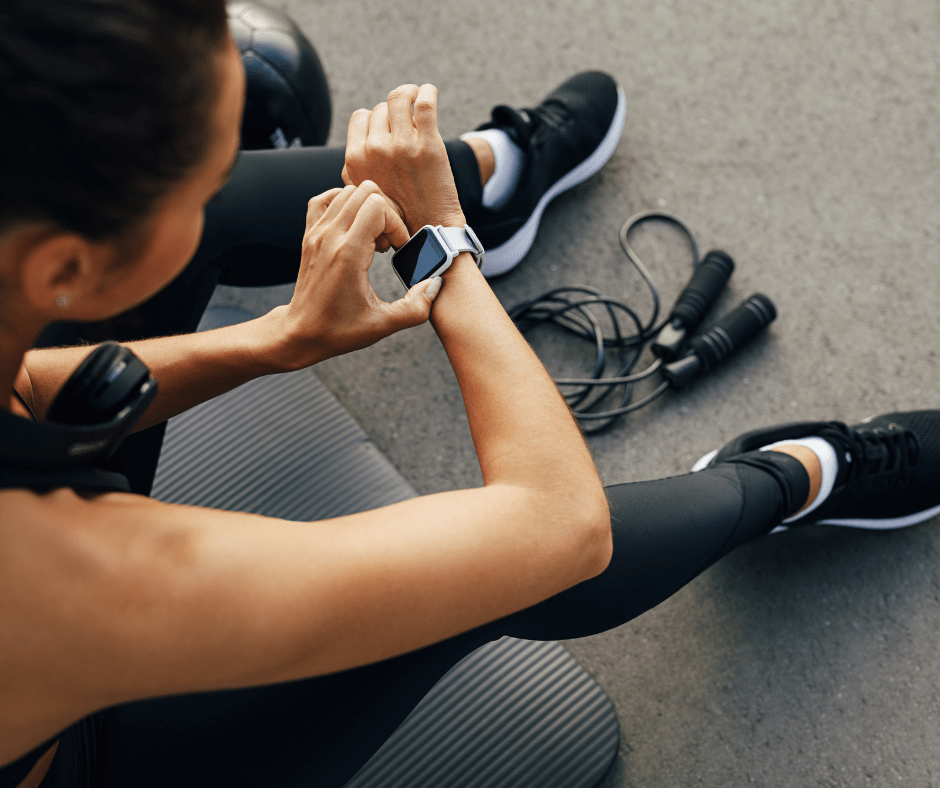
In recent years, the rise of fitness trackers and smartwatches has revolutionized the way we approach health and fitness. These wearable devices offer valuable insights into our activity levels, heart rate, sleep patterns, and more, empowering individuals to take control of their well-being. At Thrive Body Clinic, we recognize the potential benefits that these gadgets can offer in supporting our osteopathic care. However, it’s essential to understand both the positive and negative aspects of integrating fitness trackers and smartwatches into our approach to musculoskeletal health.
The Benefits of Fitness Trackers and Smartwatches:
- Increased Awareness: Fitness trackers and smartwatches provide real-time feedback on our daily activity levels, encouraging us to stay active and move more throughout the day. This increased awareness can help individuals make healthier choices and adopt more active lifestyles, which can have a positive impact on musculoskeletal health.
- Goal Setting and Motivation: Many fitness trackers and smartwatches allow users to set personalized fitness goals and track their progress over time. This goal-setting feature can be highly motivating, inspiring individuals to push themselves further and achieve new milestones in their fitness journey.
- Monitoring Progress: By monitoring metrics such as step count, distance travelled, and calories burned, fitness trackers and smartwatches enable individuals to track their progress and make informed decisions about their health and fitness goals. This data-driven approach can help individuals identify patterns, set realistic goals, and make adjustments to their routines as needed.
- Accountability and Social Support: Some fitness trackers and smartwatches offer social features that allow users to connect with friends, family, and online communities to share their progress, compete in challenges, and provide support and encouragement. This sense of accountability and camaraderie can motivate individuals to stay active and committed to their fitness goals.
The Negatives of Fitness Trackers and Smartwatches:
- Overreliance on Data: While fitness trackers and smartwatches can provide valuable data about our activity levels, heart rate, and sleep patterns, it’s essential not to become overly reliant on this information. Relying too heavily on data can lead to obsessive behaviour, anxiety, and an unhealthy fixation on metrics rather than overall well-being.
- Inaccuracies and Limitations: Despite advancements in technology, fitness trackers and smartwatches may not always provide accurate readings, particularly when it comes to measuring metrics such as calorie burn and sleep quality. Additionally, these devices may not accurately capture certain activities or movements, leading to discrepancies in data accuracy.
- Potential for Obsessive Behaviour: Constantly checking and obsessing over fitness tracker data can lead to feelings of stress, pressure, and burnout. This obsessive behaviour can detract from the enjoyment of physical activity and detract from the intuitive listening to the body that is central to osteopathic philosophy.
- Privacy Concerns: Fitness trackers and smartwatches collect sensitive health data, raising concerns about privacy and data security. Users should be aware of the potential risks associated with sharing personal health information with third-party companies and take steps to protect their privacy.
Integrating Fitness Trackers and Smartwatches with Osteopathic Care: At Thrive Body Clinic, we believe in taking a balanced approach to incorporating fitness trackers and smartwatches into our osteopathic care. While these devices can offer valuable insights into our health and fitness habits, it’s essential to use them mindfully and in conjunction with holistic principles of musculoskeletal health.
Here are some tips for integrating fitness trackers and smartwatches with osteopathic care:
- Use Data Wisely: Instead of fixating on numbers, focus on how you feel during and after physical activity. Listen to your body’s signals and adjust your workouts accordingly.
- Prioritize Movement Variety: Avoid becoming overly focused on meeting step count or calorie burn goals. Instead, prioritize a variety of movement patterns, including strength training, flexibility exercises, and cardiovascular activities.
- Practice Mindfulness: Take breaks from your fitness tracker or smartwatch to cultivate mindfulness and intuitive movement. Pay attention to how your body feels and honour its needs without judgment or comparison.
- Seek Professional Guidance to develop a personalized approach to fitness and musculoskeletal health. They can help you navigate the use of fitness trackers and smartwatches in a way that supports your overall well-being.
Fitness trackers and smartwatches can be valuable tools for supporting our osteopathic care and enhancing our understanding of musculoskeletal health. However, it’s essential to approach their use mindfully and critically, taking into account both the benefits and limitations they offer. By using fitness trackers and smartwatches in conjunction with holistic principles of musculoskeletal health, we can empower ourselves to make informed decisions about our fitness goals and prioritize our overall well-being. At Thrive Body Clinic, we’re here to support you on your journey to optimal health and vitality, whether you choose to use fitness trackers and smartwatches or not.
 Thrive Body Clinic Osteopathy & Sports Massage
Leave a comment