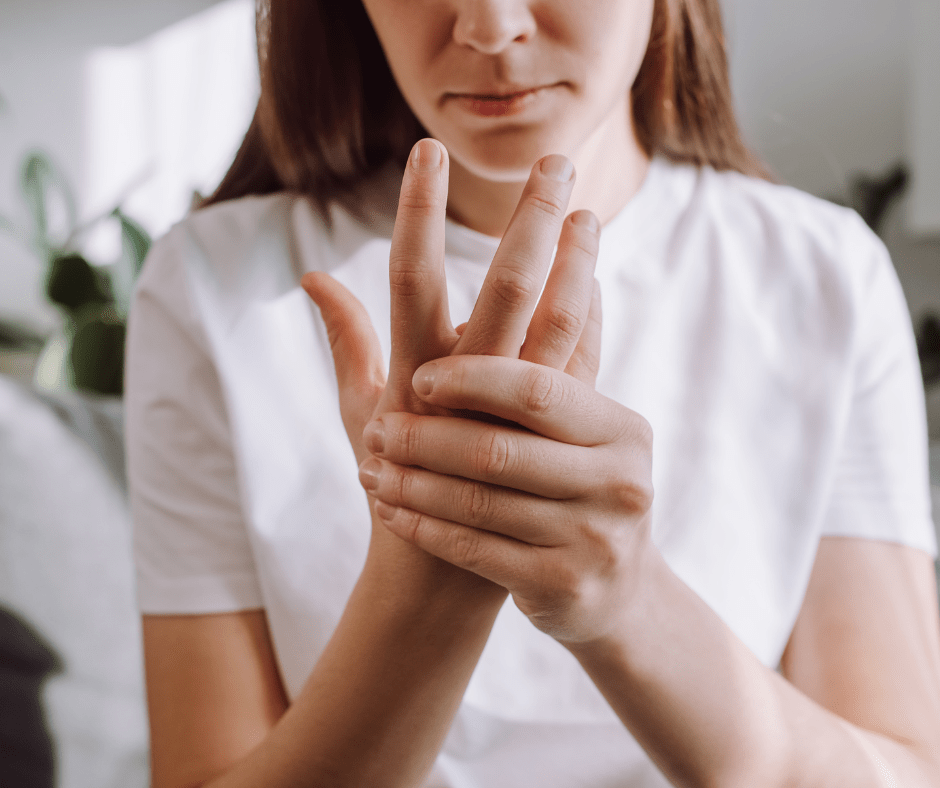
Living with arthritis can take a toll not only on the body but also on mental health. At Thrive Body Clinic, we recognize the interconnected relationship between arthritis and mental well-being and aim to provide holistic support for individuals navigating this challenging journey. In this blog post, we delve into the impact of arthritis on mental health, strategies for breaking the pain-depression cycle, and the role of osteopathy in promoting overall well-being.
Understanding the Pain-Depression Cycle
Arthritis and Pain
Arthritis often brings chronic pain, stiffness, and discomfort, affecting daily activities and quality of life.
Mental Health Challenges
The persistent pain and limitations imposed by arthritis can lead to feelings of frustration, sadness, and helplessness.
The Cycle of Depression
Chronic pain can contribute to depression, while depression can exacerbate the perception of pain, creating a vicious cycle.
Breaking the Cycle: Strategies for Mental Health Support
Education and Awareness
Understanding the relationship between arthritis and mental health is the first step toward breaking the pain-depression cycle.
Seeking Social Support
Connecting with others who understand the challenges of living with arthritis can provide validation, empathy, and encouragement.
Cultivating Coping Skills
Developing coping skills such as mindfulness, relaxation techniques, and positive self-talk can help manage stress and improve mood.
Professional Counselling
Seeking support from mental health professionals, such as therapists or counsellors, can provide valuable tools and strategies for coping with arthritis-related challenges.
The Role of Osteopathy in Mental Health Support
Holistic Approach
Osteopathy takes a holistic approach to health, recognizing the interconnectedness of physical, emotional, and mental well-being.
Pain Management
Osteopathic treatments focus on reducing pain, improving mobility, and restoring function, which can alleviate the emotional burden of arthritis.
Stress Reduction
Osteopathic techniques such as soft tissue manipulation, joint mobilization, and gentle stretching can help release tension and promote relaxation.
Enhancing Mind-Body Connection
Osteopathic practitioners emphasize the mind-body connection, encouraging mindfulness and self-awareness to support mental well-being.
Practical Tips for Managing Arthritis and Mental Health
Establishing a Routine
Creating a structured daily routine can provide a sense of stability and control, which can be beneficial for managing both arthritis and mental health.
Prioritizing Self-Care
Making time for self-care activities such as exercise, relaxation, and hobbies can help reduce stress and improve mood.
Setting Realistic Goals
Setting achievable goals and celebrating small victories can boost confidence and motivation, even in the face of arthritis-related challenges.
Seeking Professional Help
If struggling with arthritis and mental health concerns, don’t hesitate to seek professional help from healthcare providers, therapists, or support groups.
Realizing the Benefits of Breaking the Pain-Depression Cycle
Improved Quality of Life
Breaking the pain-depression cycle can lead to improved quality of life, increased functional ability, and greater overall well-being.
Enhanced Resilience
Developing coping skills and seeking support can enhance resilience and empower individuals to navigate the challenges of arthritis with greater confidence.
Embracing a Positive Outlook
By addressing mental health alongside arthritis management, individuals can cultivate a more positive outlook and approach to life.
Nurturing Mind and Body
At Thrive Body Clinic, we understand the profound impact of arthritis on mental health and are committed to providing comprehensive support for our patients. By recognizing the interconnectedness of physical and emotional well-being, we strive to empower individuals to break free from the pain-depression cycle and embrace a life of vitality and resilience. Together, we can nurture both the body and the mind to thrive despite the challenges of arthritis.
 Thrive Body Clinic Osteopathy & Sports Massage
Leave a comment