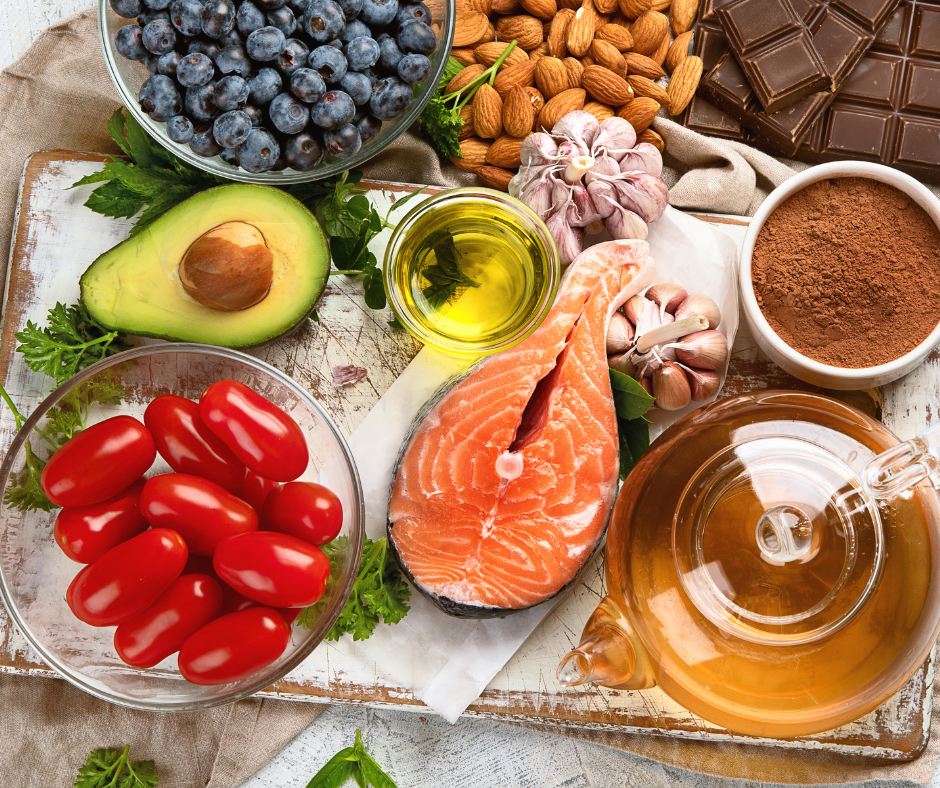
Living with arthritis involves making mindful choices about diet to manage inflammation and promote overall joint health. At Thrive Body Clinic, we recognize the impact of nutrition on arthritis symptoms and advocate for a holistic approach to managing this condition. In this informative blog post, we explore the connection between inflammatory foods and arthritis, providing insights from an osteopathic perspective and offering practical guidance on creating an anti-inflammatory diet for optimal well-being.
The Role of Inflammation in Arthritis
Understanding Inflammation
- Normal vs. Chronic Inflammation: While acute inflammation is a natural response to injury or infection, chronic inflammation can contribute to the progression of arthritis.
- Joint Damage: Prolonged inflammation can lead to joint damage, exacerbating arthritis symptoms and impacting overall joint health.
Inflammatory Foods and Arthritis
- Dietary Triggers: Certain foods can trigger inflammation in the body, potentially worsening arthritis symptoms.
- Individual Sensitivities: Sensitivities to specific foods vary, making it crucial for individuals to identify and eliminate triggers.
Osteopathic Insights into Nutrition for Arthritis
The Holistic Approach
- Individualized Care: Osteopathic practitioners consider the unique needs of each individual, emphasizing the importance of personalized nutrition plans.
- Addressing Root Causes: Osteopathy aims to address the root causes of inflammation, including dietary factors that contribute to arthritis symptoms.
Incorporating Anti-Inflammatory Foods
- Nutrient-Rich Choices: Encouraging the consumption of nutrient-rich, anti-inflammatory foods to support joint health.
- Balancing Macronutrients: Achieving a balance of carbohydrates, proteins, and healthy fats to promote overall well-being.
Foods to Avoid with Arthritis: Osteopathic Recommendations
High-Sugar Foods
- Impact on Inflammation: High-sugar diets can contribute to inflammation, potentially worsening arthritis symptoms.
- Hidden Sugars: Identifying and reducing the intake of hidden sugars in processed foods and beverages.
Processed Foods
- Trans Fats: Processed foods often contain trans fats, which can contribute to inflammation and compromise joint health.
- Reading Labels: Learning to read food labels to identify and avoid processed foods high in unhealthy fats.
Red Meat and High-Fat Dairy
- Arachidonic Acid: Red meat and high-fat dairy products contain arachidonic acid, which can contribute to inflammation.
- Lean Alternatives: Choosing lean protein sources such as fish, poultry, and plant-based options.
Nightshade Vegetables
- Potential Triggers: Some individuals with arthritis may be sensitive to nightshade vegetables like tomatoes, peppers, and eggplants.
- Individual Observations: Monitoring personal reactions to nightshades and adjusting the diet accordingly.
Collaborating with Your Osteopath
Holistic Approach to Arthritis Management
- Combining Therapies: Integrating nutritional guidance with osteopathic treatments for a comprehensive approach to arthritis management.
- Patient Education: Empowering individuals with knowledge about the impact of nutrition on arthritis symptoms.
Building an Anti-Inflammatory Diet
Osteopathic Recommendations
- Emphasizing Whole Foods: Encouraging the consumption of whole, nutrient-dense foods to support joint health.
- Incorporating Omega-3 Fatty Acids: Including sources of omega-3 fatty acids, such as fatty fish and flaxseeds, for their anti-inflammatory properties.
A Colourful Plate
- Antioxidant-Rich Foods: Incorporating a variety of colourful fruits and vegetables rich in antioxidants to combat inflammation.
- Fiber-Rich Choices: Choosing fibre-rich foods like whole grains and legumes for their anti-inflammatory effects.
Nourishing Your Joints
At Thrive Body Clinic, we believe that adopting an anti-inflammatory diet is a powerful step toward managing arthritis symptoms and promoting overall joint health. By understanding the osteopathic perspective on nutrition and collaborating with your osteopathic practitioner, you can tailor your diet to meet your unique needs and thrive with arthritis. Remember, every nutritious choice is a step toward nourishing your joints and embracing a healthier, more vibrant life.
 Thrive Body Clinic Osteopathy & Sports Massage
Leave a comment