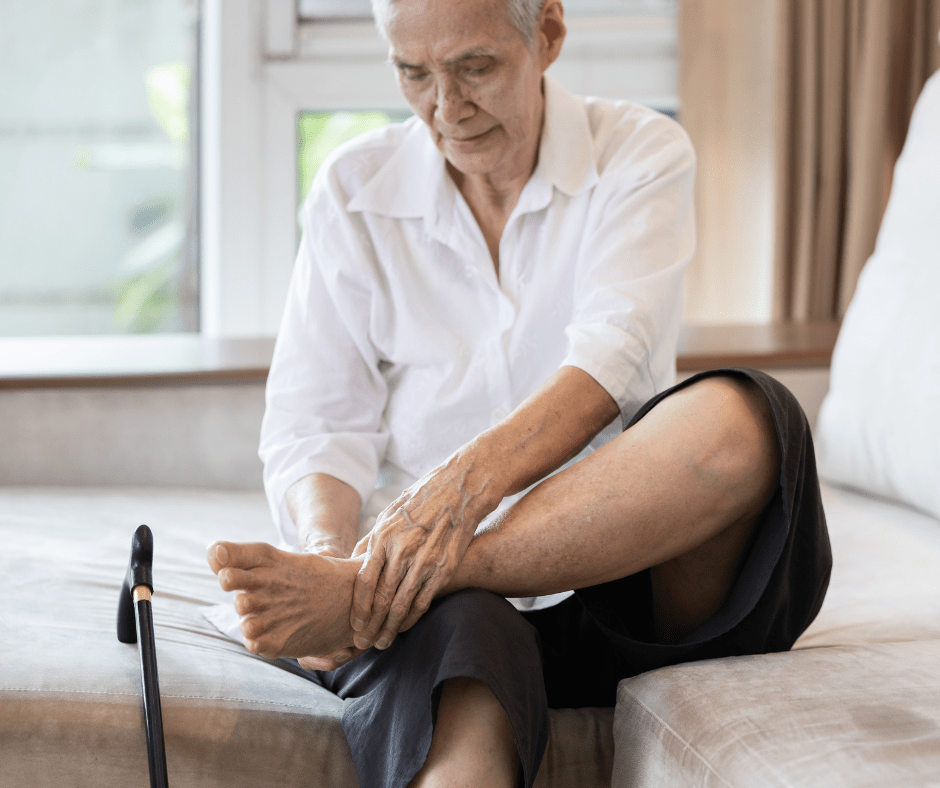
Peripheral Arterial Disease (PAD) poses unique challenges for individuals, impacting both circulatory health and musculoskeletal well-being. At Thrive Body Clinic, we understand the importance of a holistic approach to managing PAD. In this blog post, we offer practical exercise and lifestyle tips tailored for individuals with PAD, showcasing the complementary role of osteopathic care in addressing musculoskeletal concerns and enhancing overall well-being.
Unravelling Peripheral Arterial Disease (PAD)
Understanding PAD
Peripheral Arterial Disease is a condition characterized by the narrowing or blockage of arteries that supply blood to the extremities, most commonly the legs. Reduced blood flow can result in symptoms such as pain, cramping, and fatigue in the affected limbs, especially during physical activity.
The Impact on Musculoskeletal Health
PAD not only affects vascular health but also poses challenges to musculoskeletal function. Reduced blood flow can impair muscle function, leading to weakness and limited mobility. Individuals with PAD often experience difficulty with walking and other physical activities.
Exercise and PAD: A Balancing Act
The Importance of Exercise
Engaging in regular exercise is crucial for individuals with PAD. Exercise promotes blood circulation, strengthens muscles, and improves overall cardiovascular health. However, it’s essential to strike a balance that considers the individual’s unique challenges and capabilities.
Recommended Exercises
- Walking: A low-impact activity that can be tailored to individual abilities. Gradual increases in walking time and intensity are recommended.
- Cycling: Stationary or outdoor cycling is an excellent option for individuals with PAD, providing cardiovascular benefits without putting excessive strain on the joints.
- Water Exercises: Swimming or water aerobics offer a buoyant and low-impact environment, reducing stress on joints while providing effective cardiovascular exercise.
- Strength Training: Incorporating resistance exercises helps improve muscle strength, which is essential for individuals with PAD.
Osteopathic Care for PAD: Addressing Musculoskeletal Concerns
Comprehensive Assessment
Osteopathic practitioners conduct a comprehensive assessment to identify musculoskeletal concerns associated with PAD. This includes evaluating joint mobility, muscle strength, and overall structural alignment.
Soft Tissue Techniques
Soft tissue techniques, such as massage and myofascial release, are employed to address tension and tightness in muscles. This can be particularly beneficial for individuals with PAD who may experience muscle stiffness.
Joint Mobilization
Joint mobilization techniques focus on enhancing joint mobility, which can be compromised in individuals with reduced blood flow. Improved joint function contributes to better overall movement and flexibility.
Individualized Exercise Prescription
Osteopathic insights guide the development of individualized exercise prescriptions. Tailored exercises take into account the specific needs and capabilities of each individual, promoting a gradual and sustainable approach to physical activity.
Lifestyle Modifications for PAD
Smoking Cessation
Smoking is a significant risk factor for PAD. Supporting individuals in their efforts to quit smoking is crucial for managing the condition and improving overall vascular health.
Healthy Eating Habits
A well-balanced and heart-healthy diet is essential for individuals with PAD. Osteopathic practitioners offer guidance on nutrition, emphasizing the importance of maintaining a diet rich in fruits, vegetables, and lean proteins.
Stress Management
Stress can exacerbate symptoms of PAD. Osteopathic care incorporates stress management techniques, such as relaxation exercises and mindfulness, to promote overall well-being.
Medication Adherence
Ensuring consistent adherence to prescribed medications is vital for managing PAD. Osteopathic practitioners collaborate with individuals to address any concerns or challenges related to medication management.
Tips for Safe and Effective Exercise with PAD
Consultation with Healthcare Providers
Before initiating any exercise program, individuals with PAD should consult their healthcare providers. Osteopathic practitioners collaborate with medical professionals to ensure a coordinated and safe approach to exercise.
Gradual Progression
Exercise should be introduced gradually, allowing the body to adapt to increased physical activity. Overly strenuous activities can lead to fatigue and exacerbate symptoms.
Monitoring Symptoms
Individuals with PAD should be attentive to any changes in symptoms during and after exercise. Persistent pain, cramping, or discomfort should be promptly communicated to healthcare providers.
Stay Hydrated
Adequate hydration is crucial for individuals with PAD, promoting optimal blood circulation and overall cardiovascular health.
Wear Appropriate Footwear
Choosing supportive and comfortable footwear is essential for individuals with PAD. Proper shoes contribute to stability and reduce the risk of injury during exercise.
Osteopathic Support for Lifestyle Modifications
Patient Education
Thrive Body Clinic prioritises patient education, empowering individuals with PAD to understand the importance of lifestyle modifications. This includes providing information on exercise, nutrition, and overall self-care.
Motivational Support
Embarking on lifestyle modifications can be challenging. Osteopathic practitioners offer motivational support, helping individuals stay committed to their goals and fostering a positive mindset.
Collaborative Care
Thrive Body Clinic promotes collaborative care, working in tandem with healthcare providers to ensure a comprehensive approach to managing PAD. Regular communication ensures that all aspects of an individual’s health are considered.
Conclusion: Navigating the Path to Wellness
Navigating the path to wellness with PAD requires a multifaceted approach that encompasses exercise, lifestyle modifications, and osteopathic care. At Thrive Body Clinic, we believe in empowering individuals to embrace a life of movement and vitality, even in the presence of vascular challenges. By combining practical exercise tips, lifestyle modifications, and the supportive care of osteopathy, individuals with PAD can navigate their journey to wellness with confidence and resilience.
 Thrive Body Clinic Osteopathy & Sports Massage
Leave a comment