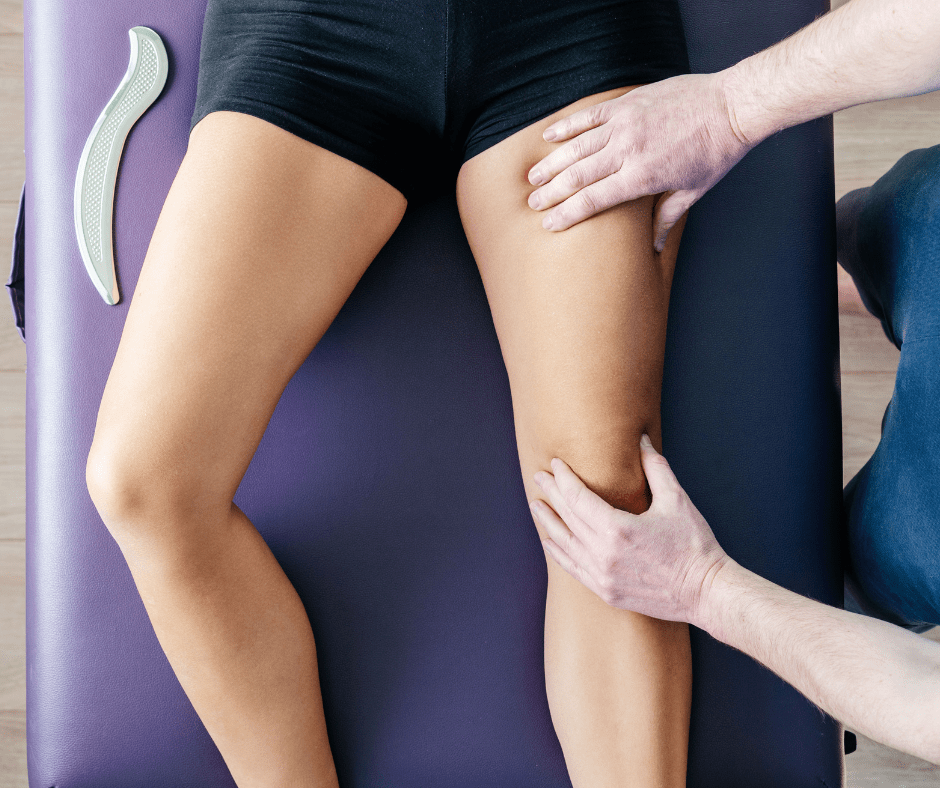
For athletes, the pursuit of peak performance often comes with the risk of sports-related injuries, and groin strains are a common challenge faced by many. At Thrive Body Clinic, we understand the unique demands placed on athletes and the impact that groin strains can have on performance and overall well-being. In this extensive blog post, we will delve into the intricacies of groin strains, exploring their causes, symptoms, and, most importantly, the role of osteopathy in the comprehensive care and rehabilitation of athletes dealing with this condition.
Understanding Groin Strains:
Anatomy of the Groin:
The groin area comprises muscles, tendons, and ligaments that work together to facilitate leg movement.
Adductor muscles, which bring the legs together, are commonly involved in groin strains.
Causes of Groin Strains:
Groin strains often result from sudden movements, changes in direction, or intense physical activity.
Overuse, inadequate warm-up, and muscle imbalances can contribute to the development of groin strains.
Common Symptoms:
Athletes with groin strains may experience pain, tenderness, and swelling in the groin area.
Movements such as running, kicking, or lateral motions can exacerbate discomfort.
The Osteopathic Approach to Groin Strains:
Comprehensive Assessment:
Osteopathic practitioners conduct thorough assessments to understand the biomechanics of the athlete, identify the specific muscles involved, and assess any contributing factors.
Understanding the athlete’s overall musculoskeletal health informs the development of a tailored treatment plan.
Soft Tissue Manipulation:
Soft tissue manipulation techniques are a cornerstone of osteopathic care for groin strains.
Gentle and targeted manipulations help release tension, reduce muscle spasms, and improve flexibility in the affected muscles.
Joint Mobilization:
Joint mobilization techniques address any restrictions in the joints surrounding the groin.
Enhancing joint mobility contributes to improved movement patterns and reduced strain on the affected muscles.
Muscle Energy Techniques (MET):
MET involves active and passive stretching of muscles to improve flexibility and strength.
It is particularly effective in restoring balance to the muscles involved in groin strains.
Myofascial Release:
Myofascial release techniques target the fascia, the connective tissue that surrounds muscles.
Addressing fascial restrictions aids in restoring optimal muscle function and reducing strain.
Corrective Exercises:
Osteopathic practitioners prescribe tailored exercises to address muscle imbalances, improve strength, and enhance overall stability.
A personalized exercise program is crucial for the rehabilitation and prevention of future groin strains.
Postural Assessment and Correction:
Groin strains can be influenced by postural imbalances.
Osteopathic assessments identify and correct any postural issues that may contribute to the recurrence of groin strains.
Patient Education:
Osteopathic care extends beyond the treatment room through patient education.
Athletes receive guidance on proper warm-up routines, injury prevention strategies, and self-care practices to support their ongoing well-being.
Rehabilitation and Beyond:
Gradual Return to Activity:
Osteopathic practitioners collaborate with athletes to develop a gradual return-to-activity plan.
The phased approach ensures that the athlete returns to their sport with reduced risk of re-injury.
Monitoring and Follow-Up:
Regular follow-up sessions allow for the monitoring of progress and adjustments to the treatment plan.
Ongoing care is essential for preventing re-injury and optimizing long-term musculoskeletal health.
Incorporating Other Modalities:
Osteopathic care may be complemented by other therapeutic modalities, such as physiotherapy or massage, to provide a holistic approach to rehabilitation.
Preventive Strategies:
Athletes are empowered with knowledge about preventive strategies, including proper warm-up, stretching routines, and lifestyle adjustments to support overall musculoskeletal health.
At Thrive Body Clinic, we recognize the impact that groin strains can have on an athlete’s performance and quality of life. Our osteopathic approach goes beyond symptom management, focusing on the root causes, comprehensive care, and rehabilitation to empower athletes to thrive. If you’re dealing with a groin strain or looking to enhance your musculoskeletal health, schedule a consultation with our experienced osteopathic practitioners. Together, let’s embark on a journey toward optimal performance, resilience, and the joy of movement.
 Thrive Body Clinic Osteopathy & Sports Massage
Leave a comment