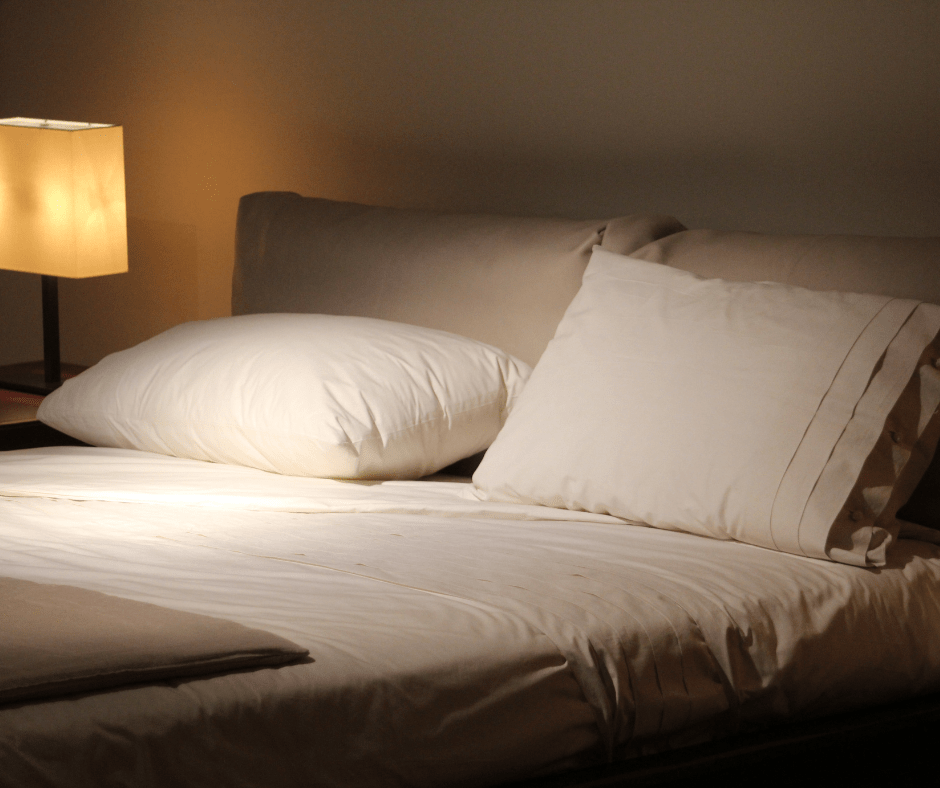
In the hustle and bustle of modern life, where the demands of work, technology, and social commitments often take precedence, the importance of a good night’s sleep can be easily overlooked. However, sleep health is a cornerstone of overall well-being, influencing physical, mental, and emotional health. In this comprehensive exploration, we’ll delve into the vital role of sleep in our lives and how osteopathy, with its holistic approach, can contribute to optimizing sleep health for a more vibrant and fulfilling life.
Understanding the Significance of Sleep Health:
The Basics of Sleep:
Sleep is a dynamic and complex process involving different stages, each with specific functions for physical and mental restoration.
A typical sleep cycle consists of non-REM (rapid eye movement) and REM stages, repeating several times throughout the night.
Physical Restoration:
During deep sleep, the body undergoes essential physical repair and regeneration.
Tissues and muscles are repaired, energy is restored, and the immune system strengthens.
Cognitive Function:
Sleep is crucial for cognitive functions such as memory consolidation, learning, and problem-solving.
Quality sleep enhances creativity, concentration, and overall mental performance.
Emotional Well-Being:
Adequate sleep plays a pivotal role in emotional regulation and resilience.
Sleep deficiency is linked to increased irritability, mood swings, and heightened stress responses.
Hormonal Balance:
Sleep influences hormonal balance, including the regulation of cortisol (stress hormone) and growth hormone.
Disruptions in sleep patterns can impact appetite regulation and metabolism.
Osteopathy and Sleep Health:
Stress Reduction Techniques:
Osteopathy recognizes the interplay between physical, mental, and emotional aspects of health.
Techniques such as soft tissue manipulation and cranial osteopathy aim to reduce tension, promoting relaxation conducive to sleep.
Pain Management:
Individuals experiencing chronic pain often struggle with sleep disturbances.
Osteopathic interventions target the root causes of pain, contributing to improved comfort and sleep quality.
Muscle Relaxation:
Osteopathic techniques focus on releasing muscle tension and promoting overall musculoskeletal balance.
Muscle relaxation fosters a state of ease, facilitating a smoother transition into restful sleep.
Balancing the Autonomic Nervous System:
Osteopathy considers the autonomic nervous system, which plays a role in the sleep-wake cycle.
Gentle techniques help balance the sympathetic (fight or flight) and parasympathetic (rest and digest) branches, promoting a calm state conducive to sleep.
Addressing Respiratory Function:
Osteopathy addresses respiratory mechanics, particularly relevant for individuals with conditions like sleep apnea or snoring.
Improving respiratory function contributes to better sleep quality.
Lifestyle Factors and Sleep:
Sleep Hygiene Education:
Osteopathic practitioners offer guidance on sleep hygiene practices.
Recommendations may include establishing a consistent sleep schedule, creating a conducive sleep environment, and limiting screen time before bedtime.
Circadian Rhythm Support:
Osteopathy considers the natural circadian rhythm, the body’s internal clock.
Lifestyle recommendations align with circadian principles, enhancing the synchronization of sleep-wake cycles.
Nutritional Considerations:
Osteopathic care extends to nutritional aspects influencing sleep.
Dietary advice may include avoiding stimulants close to bedtime and incorporating sleep-promoting foods.
Stress Management:
Stress is a common disruptor of sleep.
Osteopathy integrates stress reduction techniques, empowering individuals to manage stressors more effectively.
Physical Activity:
Regular physical activity is linked to improved sleep quality.
Osteopathic practitioners may guide individuals in incorporating appropriate exercise into their routines.
Sleep Health for Specific Populations:
Pregnancy and Postpartum:
Osteopathy supports pregnant individuals in managing sleep challenges related to discomfort and hormonal changes.
Postpartum, osteopathic care aids in the recovery of sleep patterns.
Children and Adolescents:
Osteopathy addresses sleep issues in children, considering factors such as growth-related discomfort.
Techniques aim to establish healthy sleep habits in adolescents.
Aging and Sleep:
Osteopathic interventions cater to the changing sleep patterns and challenges faced by older adults.
Addressing musculoskeletal issues contributes to improved comfort during sleep.
Sleep health is not a luxury but a fundamental pillar of well-being that impacts every aspect of our lives. Osteopathy, with its holistic approach, recognizes the intricate connections between the body, mind, and lifestyle factors influencing sleep. By addressing physical tension, balancing the nervous system, and promoting overall well-being, osteopathy plays a vital role in optimizing sleep health. If you find yourself wrestling with sleep issues, consider consulting with an osteopathic professional to embark on a journey toward restful nights and rejuvenated days.
 Thrive Body Clinic Osteopathy & Sports Massage
Leave a comment