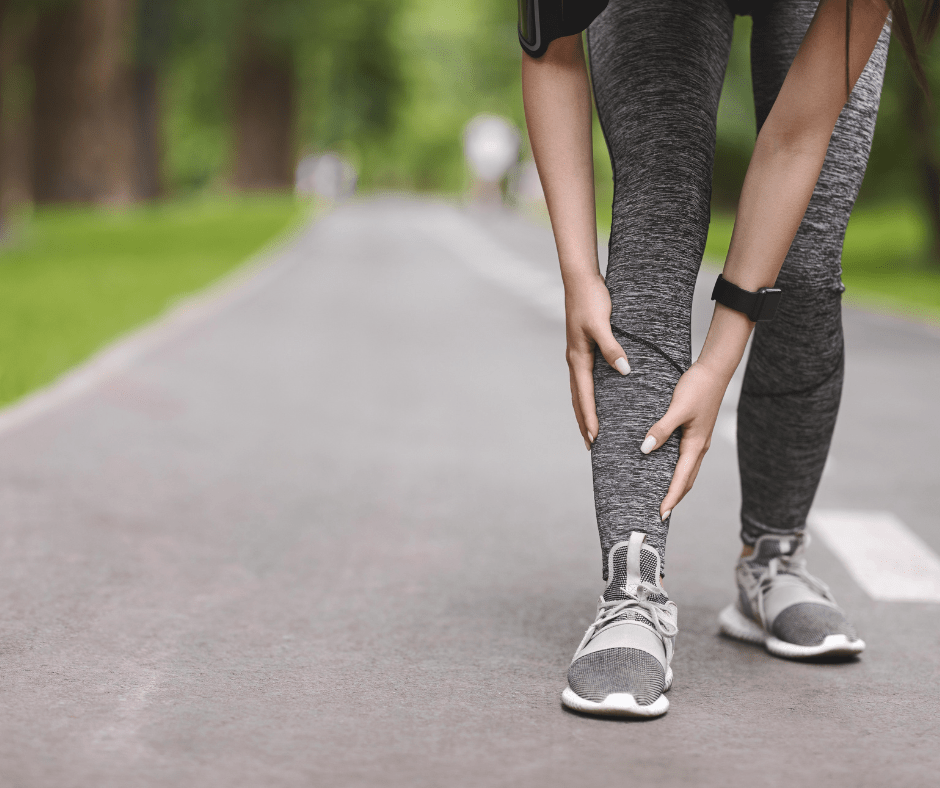
Shin splints, a common ailment among runners and athletes, can be a formidable hurdle in the pursuit of fitness and performance excellence. This nagging pain along the shinbone (tibia) can significantly impact training routines and hinder athletic goals. In this in-depth exploration, we will dissect the intricacies of shin splints, examining contributing factors, the toll of overuse and improper biomechanics, and how osteopathic interventions offer a holistic approach to recovery, prevention, and performance optimization.
Understanding Shin Splints:
- Contributing Factors:
- Overuse: Runners and athletes who increase the intensity, duration, or frequency of their activities too rapidly are prone to overuse injuries, including shin splints.
- Improper Biomechanics: Poor running or training techniques, inadequate footwear, and muscle imbalances can lead to increased stress on the shinbone and surrounding tissues.
- Symptoms:
- Pain: Typically on the inner edge of the shinbone.
- Tenderness: The affected area may be tender to the touch.
- Inflammation: Swelling or redness along the shinbone.
- Types of Shin Splints:
- Medial Tibial Stress Syndrome (MTSS): Most common, affecting the inside edge of the shin.
- Anterior Shin Splints: Pain occurs on the front outside part of the leg.
Osteopathic Interventions for Shin Splints:
- Comprehensive Assessment:
- Osteopathic practitioners conduct a thorough evaluation, considering the patient’s medical history, training routine, and biomechanics.
- Identifying root causes helps tailor an individualized treatment plan.
- Soft Tissue Manipulation:
- Osteopathy employs gentle soft tissue manipulation to alleviate muscle tension and reduce inflammation along the shin.
- Techniques target the muscles, tendons, and fascia, promoting improved blood circulation and aiding in tissue healing.
- Joint Mobilization:
- Restoring proper joint mobility is a key focus of osteopathic care.
- Techniques address the ankle, knee, and hip joints to optimize lower limb biomechanics and reduce stress on the shins.
- Biomechanical Assessment:
- Osteopathic practitioners assess the patient’s gait, running technique, and footwear.
- Recommendations may include corrective exercises, orthotics, or adjustments to running form to prevent future shin splints.
- Muscle Balancing and Strengthening:
- Muscle imbalances contribute to shin splints.
- Osteopathy incorporates exercises to balance muscle strength and flexibility, particularly focusing on the muscles around the shin and calf.
- Postural Education:
- Proper posture is crucial in preventing overuse injuries.
- Osteopathic care includes educating athletes on optimal posture during running and training activities to reduce strain on the shins.
- Nutritional Guidance:
- Nutrition plays a role in overall musculoskeletal health.
- Osteopathic practitioners may provide guidance on dietary habits to support recovery and reduce inflammation.
- Lifestyle Modifications:
- Osteopathy extends beyond the treatment room, encouraging lifestyle adjustments.
- Recommendations may include adequate rest, proper warm-up and cool-down routines, and gradual progression in training intensity.
Preventing Recurrence and Optimizing Performance:
- Gradual Return to Activity:
- Osteopathic practitioners guide patients in a gradual return to training, ensuring that intensity and duration increase progressively.
- Monitoring symptoms helps prevent a relapse.
- Individualized Training Plans:
- Osteopathy considers each athlete’s unique biomechanics and training goals.
- Tailored training plans address weaknesses, enhance performance, and minimize the risk of future shin splints.
- Regular Monitoring and Maintenance:
- Athletes prone to shin splints may benefit from regular osteopathic check-ups.
- Ongoing monitoring allows for early intervention, preventing the development of chronic issues.
- Psychological Support:
- Osteopathy recognizes the psychological aspects of injury recovery and prevention.
- Providing support and strategies to manage stress and performance anxiety contributes to overall well-being.
Shin splints, a prevalent concern among runners and athletes, need not be a persistent barrier to performance and fitness goals. Osteopathic care offers a multifaceted approach to addressing shin splints, encompassing soft tissue manipulation, biomechanical assessment, muscle balancing, and lifestyle modifications. By identifying contributing factors and tailoring individualized treatment plans, osteopathic practitioners empower athletes to recover from shin splints, prevent recurrence, and optimize their overall performance. If you find yourself grappling with shin splints, consider consulting with an osteopathic professional to embark on a journey toward pain-free and enhanced athletic pursuits.
 Thrive Body Clinic Osteopathy & Sports Massage
Leave a comment