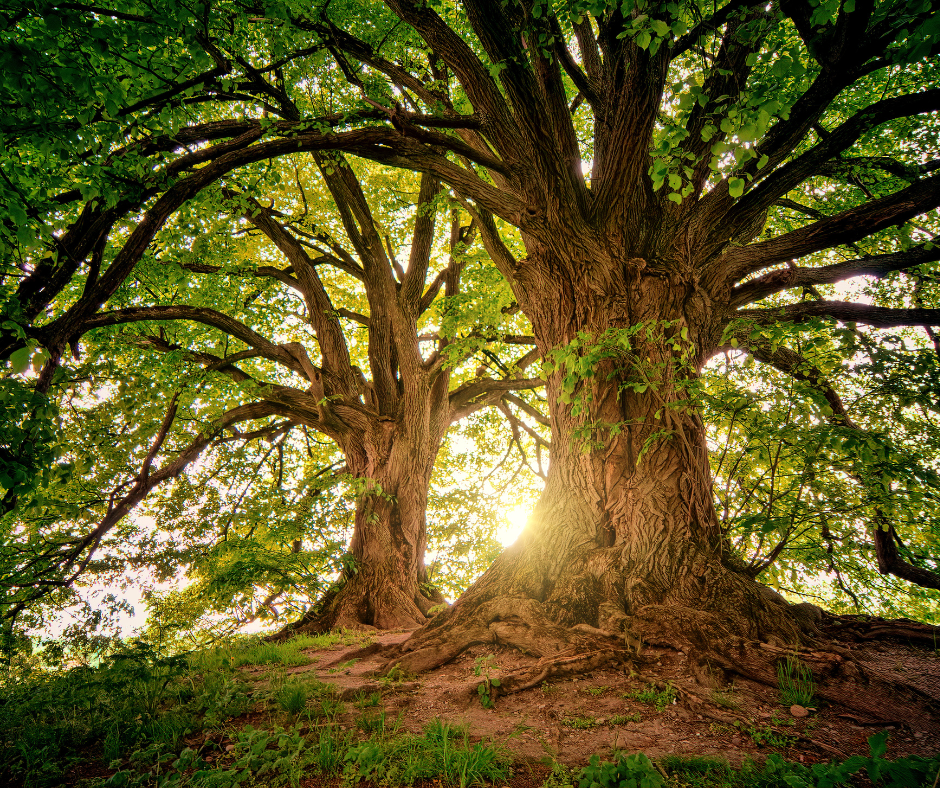
As National Tree Week unfolds, there’s no better time to explore the ancient practice of “shinrin-yoku” or tree bathing—a transformative experience that immerses individuals in the restorative embrace of nature’s giants. In this blog post, we’ll delve into the concept of tree bathing, its historical roots, and the profound benefits it offers for physical and mental well-being.
Rediscovering an Ancient Tradition:
Originating in Japan, shinrin-yoku, or forest bathing, is a practice deeply rooted in ancient traditions that acknowledges the therapeutic impact of immersing oneself in a natural environment, particularly among trees. As National Tree Week encourages a celebration of trees and their significance, tree bathing emerges as a poignant way to connect with the profound essence of these majestic beings.
The Essence of Tree Bathing:
Tree bathing isn’t a complicated or structured activity; it’s a simple, mindful communion with nature. The practice involves spending intentional, unhurried time in a forest or wooded area, absorbing the sights, sounds, and scents that trees provide. Rather than a vigorous hike or nature walk, tree bathing invites individuals to slow down, engage their senses, and cultivate a deep connection with the natural world.
Physical Benefits of Tree Bathing:
Osteopathy, with its holistic approach to health, recognizes the intimate connection between physical well-being and the environment. Tree bathing offers a range of physical benefits, starting with the inhalation of phytoncides—natural compounds emitted by trees. These compounds have been linked to improved immune function, reduced inflammation, and an overall boost to the body’s natural defence mechanisms.
Stress Reduction and Mental Well-Being:
National Tree Week comes with a timely reminder of the mental health benefits that trees bestow upon us. Tree bathing has been associated with reduced stress levels and improved mood. The calming effect of nature, coupled with the therapeutic scents released by trees, creates an environment conducive to relaxation and mental rejuvenation. The practice has even been linked to decreased levels of cortisol, the stress hormone.
Enhanced Focus and Creativity:
In the hustle and bustle of modern life, maintaining focus and creativity can be challenging. Tree bathing provides a mental reset, allowing individuals to step away from the demands of daily life. Studies suggest that spending time in nature, surrounded by trees, can enhance cognitive function, boost creativity, and improve concentration. National Tree Week invites us to explore the potential of tree bathing in nurturing a fertile ground for innovation and mental clarity.
Grounding and Connection:
Osteopathy often emphasizes the importance of grounding—the act of connecting with the earth to balance and restore the body’s energy. Trees, with their deep roots firmly planted in the earth, symbolize grounding and stability. Tree bathing allows individuals to absorb this grounding energy, fostering a sense of connection to the earth and a deeper understanding of their place in the natural world.
A Digital Detox in Nature’s Cathedral:
As we celebrate National Tree Week, tree bathing provides an opportunity for a digital detox. Surrounded by the majesty of trees, individuals can disconnect from screens, social media, and the constant buzz of technology. This intentional break fosters mindfulness, allowing individuals to be present in the moment, fully engaged with the sensory experiences that nature provides.
Cultivating a Relationship with Trees:
National Tree Week encourages us not only to appreciate trees but also to cultivate a relationship with them. Tree bathing deepens this connection by encouraging individuals to approach trees with reverence and gratitude. The practice invites a sensory exploration of bark textures, the rustling of leaves, and the unique scent profiles of different tree species, creating a profound communion with the natural world.
Conclusion:
As National Tree Week unfolds, and we collectively celebrate the importance of trees, consider embracing the transformative practice of tree bathing. Let the forest become your sanctuary, the trees your companions, and the gentle rustle of leaves your guide to a deeper connection with nature. In the spirit of shinrin-yoku, let us immerse ourselves in the healing embrace of trees, appreciating their wisdom, strength, and the vital role they play in our collective well-being.
 Thrive Body Clinic Osteopathy & Sports Massage
Leave a comment